How to Get Rid of Dandruff With Apple Cider Vinegar
Apple cider vinegar (ACV) is a popular home remedy for dandruff, believed to help balance scalp pH and reduce flakiness. When used correctly, ACV can be a gentle, affordable addition to a scalp care routine. This guide provides practical steps, safety tips, and product ideas to enhance your results.
Quick Answer
ACV rinse offers a simple, accessible approach to scalp care. Dilute ACV with water, apply to the scalp with a spray or rinse, and rinse thoroughly. Use 1–2 times per week to start, monitoring how your scalp responds. If irritation occurs, reduce frequency or discontinue use.
What You’ll Need
To implement an ACV scalp treatment, you’ll want a few basic tools. The items below come from practical, widely available forms and align with common at-home routines.
- Apple cider vinegar (ACV) diluted with water
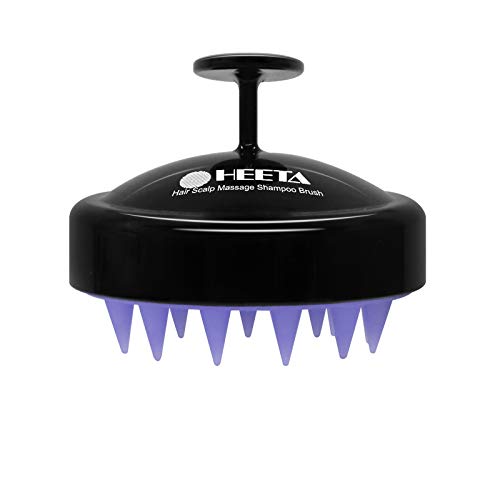
- Scalp massager silicone brush for dandruff to help distribute the solution
- 4 oz amber glass spray bottle for apple cider vinegar scalp treatment for easy application
- Fine mist spray bottle 8 oz for hair vinegar scalp application for even coverage


Before You Start
Before applying ACV to the scalp, perform a patch test on a small skin area to check for irritation. Always dilute ACV to reduce acidity that can sting, especially if you have minor cuts or a sensitive scalp. Use on clean, dry hair or after a lightweight rinse to avoid mixing with heavy products. Plan for practical time, typically 10–20 minutes per treatment session. Avoid applying on open wounds and discontinue if redness or burning persists.
Step-By-Step: How To Use Apple Cider Vinegar For Dandruff
- Prepare the solution: mix 1 part ACV with 3–4 parts water in your amber glass spray bottle or a jar for easy dipping.
- Test on a small area of the scalp to confirm there’s no irritation. Wait 24 hours and reassess.
- Shampoo as usual to remove excess oil, then gently towel-dry your hair.
- Apply the diluted ACV directly to the scalp using the spray bottle or via the scalp massager silicone brush for even distribution.
- Massage for 1–2 minutes with the silicone brush to help lift flakes and stimulate blood flow.
- Allow the solution to sit for 5–10 minutes to maximize contact with the scalp.
- Rinse thoroughly with cool or lukewarm water to remove all residue.
- Proceed with a light conditioner if needed, avoiding scalp contact to prevent buildup.
- Repeat 1–2 times per week, then adjust frequency based on results and scalp comfort.
- Store the spray bottle in a cool, dark place to preserve the mixture’s quality.
- Keep a simple log of shampoo, ACV treatment days, and observed flake changes to track progress.
Troubleshooting
| Symptom | Likely Cause | Fix | Prevention |
|---|---|---|---|
| Stinging or burning | Too strong an ACV dilution or sensitive skin | Increase dilution (more water), shorten contact time | Patch test; follow recommended dilutions |
| No change in flakes | Inconsistent application or buildup from products | Ensure thorough rinse; alternate with gentle clarifying rinse | Limit heavy styling products near scalp |
| Dry scalp after treatment | Overuse or overly harsh formulation | Reduce frequency; switch to milder dilution | Hydrate with balanced conditioners away from scalp |
| Color fading or mineral staining | Unsealed containers or direct sun exposure | Store away from light; seal bottles tightly | Keep containers properly closed |
Common Mistakes
- Using pure, undiluted ACV on the scalp
- Applying ACV too frequently or leaving it on for too long
- Overlapping ACV with heavy leave-in products
- Neglecting to rinse completely, leaving residue on the scalp
By avoiding these pitfalls, you improve comfort and reduce the risk of irritation while still targeting dandruff with ACV.
Tips For Best Results
- Opt for cool or lukewarm water when rinsing to minimize scalp sensitivity.
- Test a small area first if you have color-treated hair to prevent potential color change.
- Pair ACV treatments with a gentle anti-dandruff shampoo on alternate washes for comprehensive care.
- Use the scalp massager silicone brush to help lift scales and improve scalp circulation.
- Label bottles clearly and avoid cross-contamination between scalp treatments and facial products.
Call A Professional
Seek professional help if dandruff persists beyond a few weeks, or if you notice severe itching, redness, swelling, or hair loss. A dermatologist can diagnose conditions like seborrheic dermatitis or psoriasis and may recommend medicated shampoos or topical treatments not available over the counter.
FAQ
Is apple cider vinegar safe for all hair types?
ACV is generally safe for most hair types when properly diluted. People with very sensitive scalps or color-treated hair should perform a patch test and monitor for irritation.
How often should I use ACV to treat dandruff?
Start with once or twice a week, then adjust based on scalp response. Do not exceed thrice weekly unless advised by a professional.
Will ACV lighten my hair or change color?
ACV is unlikely to lighten hair significantly, but it can affect color-treated hair indirectly if used in high concentrations or left on too long.
Can I use ACV on a completely dry scalp?
ACV works best after washing or conditioning, as the scalp is more receptive to the solution when clean.
Should I rinse out ACV immediately or leave it in?
Rinse thoroughly after 5–10 minutes to prevent residue buildup and potential irritation.
Can I mix essential oils with ACV?
Some essential oils may help, but they can also irritate; use only if diluted properly and tolerated by your skin.
What if I’m seeing no improvement?
Explore alternative scalp care routines, and consider consulting a dermatologist to rule out underlying conditions.
Buying Guide
When choosing tools and accessories for an ACV dandruff routine, consider size, usability, and compatibility with your needs. A well-designed setup helps maintain consistency and results.
- <bSize and portability: A compact spray bottle is convenient for quick treatments at home or travel.
- <bNoise and ease of use: Manual sprayers are silent and simple, while pump spray bottles offer steady misting.
- <bEnergy efficiency and materials: Glass bottles preserve acidity better than plastic and reduce chemical leaching; choose amber glass to protect contents from light.
- <bControls and dosing: A fine-mist spray ensures even distribution; a massager brush adds tactile distribution for better contact.
- <bPlacement and storage: Keep bottles upright in a cool, dry cabinet away from direct sunlight; label clearly for quick access.
Considering these factors helps you select durable, user-friendly items that support a consistent dandruff treatment routine with apple cider vinegar.
Leave a Reply