How to Get Rid of Swamp Fever in Ark
In the world of Ark, swamp fever can disrupt explorations with fever dreams and fatigue. This guide offers practical steps to reduce illness risk, manage symptoms, and stay prepared during swamp excursions. Focusing on proven prevention, quick treatment ideas, and reliable gear helps players stay in the fight longer.
By combining environmental awareness with practical tools, players can minimize encounters with swamp fever and keep adventures moving forward.
Quick Answer
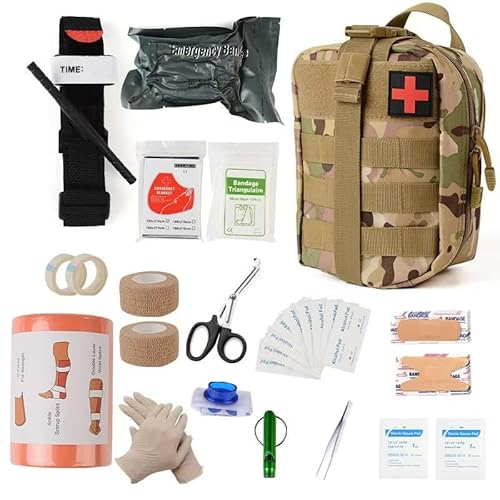
Prevent swamp fever with protective gear and careful campsite placement. Treat symptoms early using basic first aid, fluids, and rest. Keep protection gear within reach: DEET mosquito repellent spray 30% outdoor protection, a portable compact first aid kit for outdoor survival, and a reusable mosquito net camping outdoor canopy for vector control.
What You’ll Need
- DEET mosquito repellent spray 30% outdoor protection
- Portable compact first aid kit for outdoor survival
- Reusable mosquito net camping outdoor canopy


Before You Start
Prepare a safe campsite by clearing standing water and selecting elevated, dry ground away from dense vegetation. Check weather patterns and plan escape routes in case of fever symptoms worsening. Important cautions include avoiding swampy zones during peak insect activity and ensuring first aid supplies are complete before venturing deeper into the swamp.
Time estimate: 20–40 minutes for setup, plus ongoing monitoring during play sessions. If fever symptoms persist beyond a few in-game days or worsen, reassess exposure risk and consider retreat.
Step-By-Step: How To Get Rid Of Swamp Fever In Ark
- Survey the area for waterlogged zones and identify clear paths to higher ground to reduce mosquito exposure.
- Apply DEET mosquito repellent spray 30% outdoor protection generously on exposed skin and clothing, following label directions.
- Set up the reusable mosquito net camping outdoor canopy over sleeping or rest areas to create a barrier against insects.
- Unroll and place the portable compact first aid kit for outdoor survival within easy reach, stocking fever-relief items and basic sanitizers.
- Hydrate with clean water and use electrolyte solutions if available to prevent dehydration from fever symptoms.
- Rest and monitor for symptoms such as fatigue, chills, or fever; limit exposure to mid-day heat and insects.
- If symptoms persist, consider retreat to a safer area to reassess strategy and conserve resources.
- After returning to safety, inspect gear for wear or leaks in repellents and adjust setup for the next expedition.
Troubleshooting
| Symptom | Likely Cause | Fix | Prevention |
|---|---|---|---|
| Persistent fever after exposure | Prolonged insect exposure or dehydration | Increase fluids; rest; reapply repellent as directed | Reinforce canopy coverage and avoid peak insect hours |
| Skin irritation from repellent | Allergic reaction or over-application | Wipe excess; wash skin; discontinue use if irritation worsens | Patch test on small area first; follow product guidelines |
| Net or canopy snagging | Rough terrain or improper setup | Re-thread poles; secure anchors firmly | Inspect gear before each use |
| Inadequate protection at night | Gaps in canopy or doors left open | Close all entry points; adjust positioning | Double-check seals and zippers |
Common Mistakes
- Underestimating insect activity and staying in swamp zones after sunset
- Overreliance on a single protection method without combining gear
- Forgetting to reapply repellent according to product guidelines
- Ignoring symptoms and delaying rest or retreat when fever-like signs appear
Tips For Best Results
- Keep DEET mosquito repellent spray 30% outdoor protection accessible in a quick-draw pouch during travel between zones.
- Position the reusable mosquito net camping outdoor canopy to shield both sleeping and working areas from wind-blown insects.
- Carry a compact first aid kit that includes fever reducers, bio-sanitizers, and hydration solutions to stay ahead of mild symptoms.
- Inspect the environment for standing water, which is a hotspot for vectors; plan routes to minimize contact.
Call A Professional
In Ark, seek assistance if fever symptoms escalate to severe fatigue, dizziness, or confusion, or if you encounter persistent inability to perform basic tasks. In real-life camping contexts, seek medical attention if fever is high, lasts more than a couple days, or is accompanied by dehydration or severe symptoms.
FAQ
What is swamp fever in Ark?
Swamp fever in Ark refers to fever-like symptoms caused by exposure to swamp environments, including insects and damp conditions.
Can I reuse the canopy after rain?
Yes, dry thoroughly before storage to prevent mold and maintain effectiveness of materials.
How often should I reapply repellent?
Follow product directions; typically every several hours or after swimming or heavy sweating.
What should I do if I get bit by insects?
Clean the bite with soap and water, apply a soothing agent, and monitor for signs of infection or allergic reaction.
Buying Guide
When choosing gear to prevent and manage swamp fever in Ark and similar environments, consider several factors. Size and weight matter for portability during expeditions; look for compact options that fit easily into your pack. Noise level is less relevant in the digital game context, but real-world use benefits from quiet operation in protective gear like canopies. Energy efficiency is important for any lighting or cooling accessories used at a camp. Controls should be simple and intuitive, especially for quick deployment in urgent situations. Placement matters: position canopies and repellent application to maximize protection while maintaining visibility and access to supplies. For a balanced setup, compare items that offer effective coverage, durability, and ease of maintenance, ensuring you have reliable protection against mosquitoes and other pests throughout swamp exploration.
Leave a Reply