How to Clean Metal Straws for Everyday Use
Metal straws offer a durable, reusable alternative to single-use plastics, and keeping them clean is essential for safe, enjoyable sipping. This guide outlines practical, device-friendly methods to clean stainless steel straws effectively, whether you’re at home, at work, or on the go.
Quick Answer
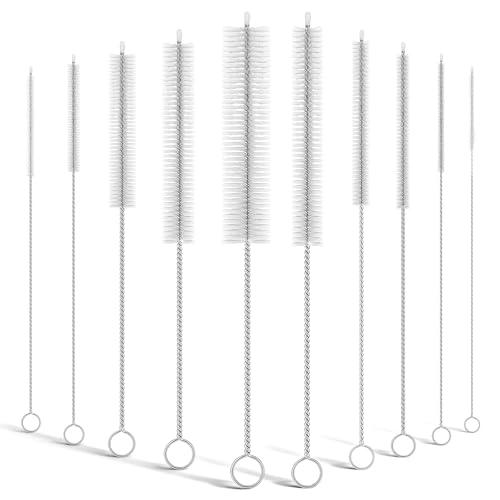
Use a dedicated cleaning brush designed for metal straws, scrub both the inside and outside, then rinse. For stubborn debris, soak in warm, soapy water and use a long-handled brush if needed. If the straw is dishwasher-safe, place it on the top rack to avoid heat damage.
What You’ll Need
- Stainless steel straw cleaning brush
- Stainless steel straw cleaning kit with long-handled brush
- Dishwasher safe metal straw cleaning brush set
- Warm dish soap
- Warm water
- Optional: white vinegar or baking soda for tough stains


Before You Start
Prepare a clean workspace and verify that the straw is completely dry before reuse. Never use abrasive pads that could scratch the metal. If the straw has a curved or intricate design, inspect the interior to ensure all residue is dislodged. Estimate a 5–10 minute cleaning window for routine cleaning, and up to 15–20 minutes for thorough cleanings after sipping smoothies or milkshakes.
Step-By-Step: How To Clean Metal Straws
- Rinse the straw immediately after use with warm water to prevent residue from drying on the interior.
- Attach the stainless steel straw cleaning brush to the straw and insert it fully, scrubbing in gentle back-and-forth motions.
- Twist the brush as you pull it through to dislodge any stubborn buildup near the ends.
- Rinse again under warm running water to wash away loosened debris.
- If residue remains, fill a cup with warm, soapy water and soak the straw for 5–10 minutes.
- Use the long-handled brush from the cleaning kit to reach both ends or any hard-to-reach curves, then rinse thoroughly.
- For persistent odors or staining, soak in a solution of warm water with a splash of white vinegar or a pinch of baking soda for 5–15 minutes, then rinse well.
- Place the straw upright or lay flat to air-dry completely before storage.
- If using a dishwasher, check that the straw is marked dishwasher-safe and place it on the top rack away from heat sources.
- Dry promptly after drying is complete to minimize water spots and corrosion risk.
- Inspect for any scratches or signs of wear; replace if the straw shows significant damage.
- Keep the cleaning brushes clean and dry between uses to maintain effectiveness.
Troubleshooting
| Symptom | Likely Cause | Fix | Prevention |
|---|---|---|---|
| Straw interior still has debris after cleaning | Residue stuck near ends or in hard-to-reach areas | Re-clean with long-handled brush, rotate brush while pulling | Rinse immediately after use; use brushes designed for metal straws |
| Odor persists | Oil or dairy residues | Soak in warm soapy water or white vinegar solution; rinse well | Regular clean after each use |
| Discoloration or staining | Deep stains from beverages like coffee or tea | Gentle soak with baking soda; scrub lightly | Alternate cleaning routine with mild cleaners |
| Scratches on straw | Abrasive cleaning tools or rough handling | Use soft brushes only; avoid steel wool | Store separately; handle with care |
Common Mistakes
- Using abrasive cleaners or rough pads that scratch stainless steel
- Neglecting to clean immediately after use, leading to dried-on residue
- Relying solely on quick rinses without brushing the interior
- Assuming all metal straws are dishwasher-safe; verify manufacturer guidance
Tips For Best Results
- Keep a dedicated cleaning brush kit on hand to ensure the best reach inside curved straws
- Rinse and dry straws thoroughly after cleaning to prevent water spots and corrosion
- Label storage containers to remind household members which items belong to straw cleaning supplies
- Consider rotating between straws to allow drying time and reduce wear
Call A Professional
Cleaning issues extend beyond routine maintenance if a straw shows significant corrosion, cracking, or compromised structural integrity. Seek a professional if the interior texture feels rough or if the straw fails to seal or hold form after cleaning. Additionally, contact the manufacturer for warranty guidance if the straw shows unusual wear.
FAQ
Are metal straws dishwasher safe?
Many are, but always check the product’s care instructions and place them on the top rack to avoid heat damage.
How often should I deep clean metal straws?
Deep clean every few weeks or after beverages that tend to cling to residues, such as smoothies or coffee.
Can I use bleach to clean metal straws?
Bleach is generally not recommended for prolonged contact with metal utensils; stick to mild soap and natural cleaners when possible.
Will metal straws rust?
Stainless steel resists rust when properly cared for; ensure thorough drying and avoid prolonged exposure to moisture on non-stainless parts.
Buying Guide
When selecting metal straws, consider several practical factors to maximize usability and longevity.
- Size and diameter: Choose straws that fit your tumblers and bottles; wider diameters work well with smoothies and iced drinks, while narrower ones suit water or juice.
- Material grade: Look for 304 or 316 stainless steel for durability and corrosion resistance, especially with acidic beverages.
- Cleaning accessories: A matching cleaning brush set or long-handled brush kit makes maintenance easier and more thorough.
- Dishwasher compatibility: If you rely on a dishwasher, verify top-rack safe labeling and heat limits.
- Ease of storage: Consider a compact kit that fits in kitchen drawers or travel cases for on-the-go use.
- Durability vs. flexibility: Stainless straws hold shape, but some designs offer slightly flexible tips for comfort; weigh your preference.
- Price and warranty: A reasonable price with a solid warranty implies better long-term value and support.
- Maintenance routine: Accessibility of brushes and cleaning kits influences how often you’ll actually clean them.
With the right cleaning tools and routine, metal straws stay hygienic and appealing. Ready to choose a kit? Review product keywords like a stainless steel straw cleaning brush, a long-handled brush kit, or a dishwasher-safe set to match your cleaning habits and beverage preferences.
Leave a Reply