How to Clean Snowboard Boots Efficiently
Snowboard boots endure frequent exposure to moisture, mud, and odor during winter sessions. Proper cleaning helps extend their life, maintain performance, and keep boots fresh for the next run. This guide provides a practical, step-by-step approach tailored for American riders and tailored around reliable cleaning tools.
Readers will find a concise plan from prep to maintenance, including a quick reference, a clearly organized steps section, and practical troubleshooting tips. The emphasis is on safe cleaning methods that protect materials while restoring comfort and dryness.
Quick Answer
To clean snowboard boots effectively, remove loose dirt, wipe with a damp cloth, use a dedicated cleaning brush kit for stubborn grime, dry thoroughly with an electric boot dryer, and deodorize regularly with a spray. Finish by inspecting for damage and storing in a ventilated space.
What You’ll Need
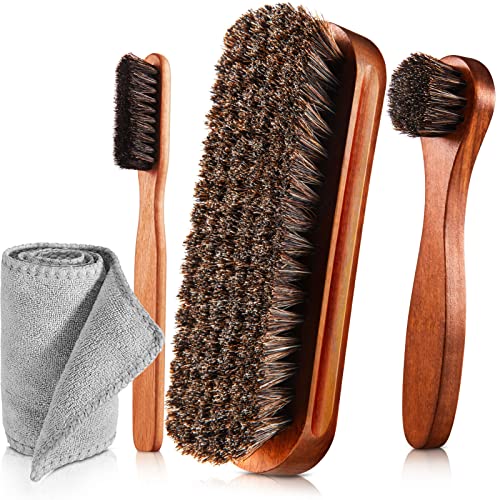
- Snowboard boot cleaning brush kit
- Electric boot dryer for snowboard boots
- Deodorizing spray for snowboard boots
- Clean cloths or microfiber towels
- Warm water and mild detergent (optional)


Before You Start
Before cleaning, remove insoles and laces if possible. Let boots dry from any moisture buildup before applying sprays or detergents. Never machine-wash or submerge fully, as excess water can damage liners and materials. Plan a drying window of several hours, preferably in a well-ventilated area. If boots have persistent odor or signs of mold, address these issues promptly to prevent material degradation.
Step-By-Step: How To Clean Snowboard Boots
- Detach removable components like insoles and, if safe, laces to expose all surfaces for cleaning.
- Brush away loose dirt with the snowboard boot cleaning brush kit, focusing on seams and tread areas.
- Wipe exterior surfaces with a damp cloth and a small amount of mild detergent if soils are stubborn; avoid soaking.
- Rinse the cloth and wipe again to remove any soap residue; ensure all areas are clean and free of grime.
- Dry the boots with a clean towel to remove surface moisture before using the dryer.
- Place boots in an electric boot dryer for snowboard boots. Run on a low or medium setting until fully dry, including the liner.
- Apply deodorizing spray for snowboard boots inside and around the heel area to neutralize odors; allow to air dry lightly.
- Reassemble insoles and laces once completely dry. Check for any signs of wear or damage that require attention.
- Store the boots in a ventilated area away from direct heat sources to prevent material drying or cracking.
- Perform periodic maintenance after heavy use, repeating steps as needed to keep boots fresh and ready for next sessions.
- Test fit after cleaning; if stiffness or discomfort persists, reassess padding or liner conditions.
- Keep a simple cleaning routine after wet sessions to reduce odor buildup and extend boot life.
Troubleshooting
| Symptom | Likely Cause | Fix | Prevention |
|---|---|---|---|
| Persistent odor after cleaning | Liner moisture plus bacteria buildup | Use deodorizing spray and ensure complete drying; repeat as needed | Thoroughly dry after each use; store in a breathable bag |
| Stiff or squeaky liner after drying | Excess heat or improper drying | Lower dryer settings; extend drying time | Avoid high heat; air-dry when possible |
| Water pooling inside boot | Excess moisture trapped in liner | Increase airflow with dryer and remove moisture-absorbers if present | Dry boots completely before storage |
| Detached sole or liner separation | Accumulated wear or heat exposure | Consult manufacturer guidelines; consider repair or replacement | Follow care guidelines to minimize stress on seams |
Common Mistakes
- Ignoring the liner and insole during cleaning
- Using harsh cleaners or soaking boots
- Relying on heat sources that exceed recommended dryer settings
- Skipping thorough drying, leading to odor and mold
- Leaving boots wet in a bag, accelerating material breakdown
Careful cleaning practices help maintain fit and comfort, while regular deodorizing reduces odors that can linger after rides.
Tips For Best Results
- Clean boots soon after muddy days to prevent grime from setting in.
- Use the snowboard boot cleaning brush kit on crevices and seams for best results.
- Ventilate the area during and after cleaning to speed up drying and reduce humidity.
- Rotate use of boots if possible, allowing equal drying time between sessions.
- Test any spray on a small inconspicuous area before broad application.
Call A Professional
Seek professional help if there are signs of structural damage, persistent moisture pockets, or delamination of liners. If the boots show cracking, sole separation, or unusual deformities, contact an authorized service provider or the boot manufacturer for repair options.
FAQ
Can I machine-wash snowboard boots?
No. Machine washing can damage liners, padding, and adhesives.
How often should I deodorize snowboard boots?
Deodorizing after a few heavy use days or at the end of a season helps maintain freshness.
Is it safe to use heat to dry boots faster?
Use a dedicated electric boot dryer on low or medium heat settings to avoid material damage.
Should I remove the liners for cleaning?
Yes, if possible, to clean both the shell and liner more effectively and to dry thoroughly.
What’s the best way to store snowboard boots long-term?
Store in a well-ventilated area, away from direct heat, with insoles removed to prevent odor buildup.
How can I prevent odor buildup in the future?
Regular drying, rotating boots, and routine deodorizing help reduce odors over time.
Buying Guide
When selecting gear to support cleaning snowboard boots, consider several factors that influence maintenance efficiency and boot longevity.
Size and fit context: Ensure tools like cleaning brushes reach tough spots and that boot dryers accommodate your boot size and liner configuration. If possible, choose a multi-headed brush kit for different surfaces and a compact, energy-efficient dryer.
Noise and energy: Look for quiet operation and energy-efficient dryers to minimize disruptions in shared spaces or garages. A compact design fits best in typical American homes with limited laundry rooms.
Controls: Simple, intuitive controls reduce the risk of using too much heat or water exposure. A timer and adjustable heat setting improve reliability during drying cycles.
Placement: Dryers and sprays should be stored away from flammable materials and in a ventilated area. Deodorizing sprays should be used in moderation and away from skin contact.
Maintenance compatibility: Choose products that are compatible with various boot materials (synthetic leather, fabric, and foam) to avoid damage during cleaning. Confirm compatibility with insoles and liners before cleaning.
By considering these factors, riders can select a setup that accelerates cleaning routines while preserving boot integrity and odor control. Would you like recommendations tailored to your boot model and typical riding conditions?
Leave a Reply