How to Run Clean Cycle on GE Dishwasher
Keeping a GE dishwasher running smoothly often requires periodic cleaning. A dedicated clean cycle helps remove buildup, residue, and odors that can affect performance. This guide provides a practical, step-by-step approach to running a clean cycle on GE models and choosing the right cleaners for best results.
By following these steps, homeowners can extend the life of their appliance, maintain optimal cleaning performance, and prevent common dishwasher issues before they start.
Quick Answer
To run a clean cycle on a GE dishwasher, remove any large debris, choose a recommended cleaner, place it in the detergent cup or specified location, run the hottest cycle with a full load of nothing else, and allow the cycle to complete. For best results, run a second clean cycle a few weeks later and keep the interior dry between uses.
What You’ll Need
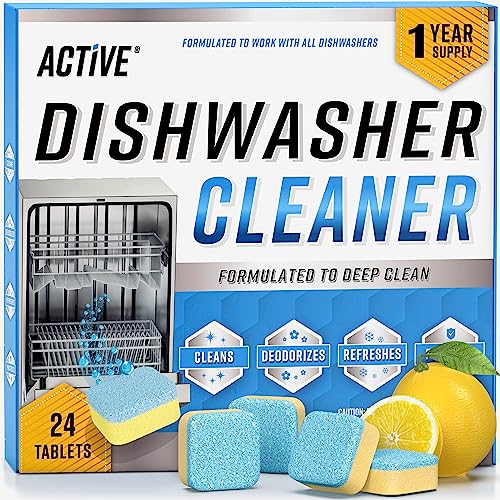
- GE dishwasher cleaner tablets 12 count
- Affresh dishwasher cleaner tablets 6 pack
- dishwasher tub cleaner spray gel


Before You Start
Prepare the machine and space: remove any large food scraps from the bottom of the tub, and wipe the door seals with a dry cloth. Ensure the dishwasher is empty for the cleaning cycle. Use a hot-water setting or “sanitize” option if available, and select the longest, hottest cycle your model offers. Safety note: avoid mixing cleaners with other household chemicals, and never pause a cycle mid-run to add products. Check the user manual for model-specific instructions.
Time estimate: 30–60 minutes depending on the model and cycle chosen. If a dishwasher smells strongly, consider running a second cleaning cycle later in the same week.
Step-By-Step: How To Run Clean Cycle On GE Dishwasher
- Confirm the dishwasher is empty and free of large food debris.
- Open the door and inspect the spray arms for clogs; remove any obstructions if found.
- Choose a cleaning product: a GE-approved cleaner tablet, Affresh tablet, or dishwasher tub cleaner spray gel.
- Place the cleaner in the appropriate location as specified by the product instructions (usually the detergent cup or directly in the tub).
- Close the door and select the hottest or sanitize cycle; if available, enable the extra-long wash option.
- Run the cycle to completion without adding dishes or detergents mid-cycle.
- Once finished, run a second rinse cycle with hot water to clear any residual cleaner and debris.
- Leave the door ajar for a short time to let the interior dry out completely.
- Wipe down the door seal and interior after the cycle to remove any remaining residue.
- Schedule routine cleanings every 1–3 months, depending on usage and water hardness.
- If odors persist, repeat the cleaning cycle or switch to a different cleaner product to rule out product-specific residue.
- Record maintenance notes in a household log to track cycle frequency and any observed improvements.
Troubleshooting
| Symptom | Likely Cause | Fix | Prevention |
|---|---|---|---|
| Unpleasant odor after cleaning | Residual cleaner or food residue | Run an extra hot rinse cycle with no detergent | Regularly wipe seals and interior |
| Water not draining properly | Clogged filter or drain hose | Clean filters and inspect drain hose | Check debris before each cycle |
| Interior not drying | Moist environment or incorrect cycle | Use a heated/dry setting if available | Keep door slightly open after cycles |
| Cleaner residue left on surfaces | Too much cleaner or wrong product | Use the recommended amount and correct product type | Follow product instructions precisely |
Common Mistakes
- Using regular dish soap or multiple cleaners during a cleaning cycle
- Overloading the dishwasher with dishes during a clean cycle
- Not removing large debris before starting the cycle
- Skipping the final rinse, leaving cleaner residues behind
Tips For Best Results
- Run clean cycles on a full interior for optimal circulation and cleaning power
- Alternate cleaners if odors persist or residue remains
- Schedule routine maintenance at regular intervals, especially in hard-water areas
- Keep spray arms free of obstructions for consistent cleaning performance
- Wipe the seals and tubs after cycles to prevent mildew buildup
Call A Professional
Consider a professional if there are persistent drainage issues, unusual noises, or mechanical failures that occur during cleaning cycles. Signs to contact a pro include repeatedly failing to complete a cycle, water leaks around the door, or persistent failure to drain after multiple attempts.
FAQ
Can I run a GE dishwasher clean cycle with any cleaner?
Use cleaners labeled for dishwashers and approved for GE models to ensure compatibility and avoid damage.
How often should I run a clean cycle?
Most households benefit from a cleaning cycle every 1–3 months, depending on usage and water hardness.
What if cleaning products aren’t available?
In a pinch, a white vinegar rinse can help; however, it is not a substitute for a dedicated cleaner in most cases.
Should I run a second rinse after the clean cycle?
Yes. A second hot rinse helps remove any remaining cleaner residue and odors.
My dishwasher still smells after cleaning. What now?
Inspect seals and filters, try a different cleaner, and consider a professional inspection if odors persist.
Is a clean cycle the same as maintenance mode?
Maintenance cycles focus on efficiency and odor control; a “clean cycle” specifically targets buildup and residue.
Will cleaning cycles affect dish drying?
Cleaning cycles do not typically affect drying; ensure a heated dry option is enabled if available.
Buying Guide
Choosing the right cleaners and planning maintenance for a GE dishwasher involves several factors. Consider these prompts to choose products and schedule cleanings that fit household needs:
- Size and capacity: Larger dishwashers may benefit from more frequent cleaning due to higher usage. Choose products that suit your machine’s capacity and cycle options.
- Noise level: Clean cycles are generally quiet, but some models may run longer or louder during heavy cleaning. Assess where the unit is located and how audible the cycle is in adjacent rooms.
- Energy efficiency: High-efficiency cycles can align with longer, hotter clean cycles. Look for cycles and products that support energy-conscious cleaning without sacrificing performance.
- Controls and compatibility: Use products designed for dishwasher use and ensure they’re compatible with GE models to avoid residue or corrosion.
- Placement and product form: Tablets and gels offer different application methods. Tablets are convenient and pre-measured, while gels provide flexible dosing for older models.
- Water hardness: Hard water can lead to mineral buildup. In such areas, more frequent cleaning cycles may be necessary and using mineral-lean cleaners can help prevent residue.
- Frequency planning: Create a maintenance schedule that fits family usage—monthly, bi-monthly, or quarterly cleanings can prevent buildup and odors.
Would you like help selecting the best cleaner combination for a specific GE model or water hardness level? A quick assessment of usage patterns can inform a practical maintenance plan.
Leave a Reply