How to Get Rid of Pit Stains on Shirts
Pit stains, caused by sweat combined with body oils and deodorants, can look unsightly on cotton and other fabrics. With the right approach, most pit stains lift out without damaging fibers or color. This guide covers practical, step-by-step methods using common laundry products to effectively remove armpit stains from shirts.
Quick Answer
Pre-treat with an enzyme laundry stain remover spray or an armpit stain remover pen to break down organic residues, then wash with an oxygen bleach powder for cotton fabrics. For persistent spots, re-treat and launder again. Always air dry to verify stain removal before placing in a dryer.
What You’ll Need
- Enzyme laundry stain remover spray for sweat armpit stains 16oz
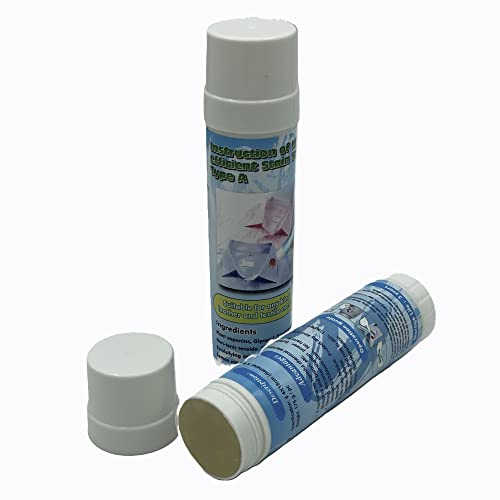
- Armpit stain remover pen for shirts fabric pre-wash 4ml
- Oxygen bleach stain remover powder for sweat stains on cotton shirts 1 lb


Before You Start
Test any product on a hidden area of the garment first to check colorfastness. Treat stains as soon as possible for best results. Wear gloves if using concentrated cleaners, and work in a well-ventilated area. Allow enzyme-based products to sit for several minutes but avoid letting them dry completely on fabric. Time estimates: pre-treat 5–10 minutes, soak 15–30 minutes, wash cycle 30–45 minutes. Important: Do not machine dry stained shirts until the stain is fully removed, as heat can set remaining stains.
Step-By-Step: How To Remove Pit Stains Effectively
- Lay the shirt flat and locate all pit-stain areas. If multiple spots exist, mark them lightly with a pencil-safe method to guide treatment.
- Apply the enzyme laundry stain remover spray directly to the stained armpit area, saturating the fabric where stains appear and allowing the enzyme action to begin breaking down organic residues.
- Gently rub the fabric together or use a soft-bristled brush to work the product into the fibers without damaging the surface.
- Let the spray sit for 5–10 minutes. Do not let it dry completely; if it thickens, re-wet the area.
- Sprinkle a small amount of oxygen bleach stain remover powder onto the treated area or mix it with water to form a paste for thicker stains. Let it sit for 15–20 minutes depending on stain severity.
- Use the armpit stain remover pen to target any remaining spots after pre-treatment. The pen’s moisture helps lift residues from fibers and prepares the shirt for washing.
- Wash the garment in the hottest water safe for the fabric using a regular load with a trusted detergent. Add the oxygen bleach powder to the wash as directed on the packaging for extra whitening and stain-fighting power.
- Inspect the shirt before drying. If any stain remains, repeat the pre-treatment and washing steps. Do not place the shirt in the dryer until you are satisfied with stain removal.
- Air dry the shirt or tumble dry on a low setting if the fabric care label allows. Confirm the stain is gone after drying, as heat can set remaining stains.
- If stain persists after multiple attempts, consider repeating the steps or trying a different product combination before seeking professional help.
Troubleshooting
| Symptom | Likely Cause | Fix | Prevention |
|---|---|---|---|
| Stain remains after first wash | Stain set or product didn’t reach the core fibers | Repeat pre-treatments with enzyme spray, use oxygen bleach powder, re-wash | Act quickly; treat stains as soon as possible |
| Fabric color dulls or spots | Overuse of bleach or incompatible fabric | Rinse thoroughly, dilute bleach, test fabric first | Follow care labels; avoid concentrated products on delicate fabrics |
| Stains appear only after drying | Heat set the stain during washing | Re-treat while spotting, re-wash without heat exposure | Avoid dryer until fully clear |
| Enzyme spray not working on synthetic fabrics | Enzymes less effective on non-fiber materials | Switch to a fabric-safe pretreatment designed for synthetics | Know fabric types and use appropriate products |
| Allergies or skin irritation | Product sensitivity | Rinse area well; discontinue use if irritation occurs | Wear gloves; test on hidden area first |
Common Mistakes
- Using hot water on cotton or delicate fabrics when the care label advises cold water.
- Skipping pre-treatment and jumping straight to a wash cycle.
- Drying clothes before checking stain removal results.
- Using bleach on colored fabrics or blends that may not tolerate whitening agents.
Tips For Best Results
- Pre-treat promptly with enzyme-based products for the best outcome on armpit stains.
- For heavy sweating, consider treating both the armpit area and the surrounding fabric to prevent halo stains.
- Combine an enzymatic spray with oxygen bleach powder for a deeper clean on cotton shirts.
- Always follow fabric care labels and test new products in inconspicuous areas first.
- Air-dry after treatment to verify stain removal rather than relying on heat-setting in a dryer.
Call A Professional
If stains persist after several attempts or if the shirt is valuable and delicate (for example, silk blends or vintage fabrics), consult a professional cleaner. Stop attempting home remedies if you notice fabric damage, color bleeding, or shrinking during trials. Seek help when stains cover large areas or seem embedded beyond surface fibers.
FAQ
Can I use chlorine bleach on sweat stains?
Chlorine bleach is not suitable for all fabrics and can damage colors. Use oxygen-based bleaching products as a safer alternative for most white cottons and color-safe fabrics.
Will deodorant residues affect stain removal?
Yes, some deodorants can leave waxy or resinous residues that resist removal. Pre-treat with enzyme spray and consider multiple wash cycles.
Is warm water better than cold for pit-stain removal?
Warm water can help dissolve oils, but always follow fabric care labels. Cold water is safer for colored fabrics and can be effective with enzyme treatments.
How long should I let pre-treatments sit?
Generally 5–15 minutes for enzyme sprays and up to 20 minutes for oxygen bleach paste, depending on stain severity.
Buying Guide
When selecting products to remove pit stains, consider size, stain strength, and fabric compatibility. For home use, combining an enzyme-based pretreatment with an oxygen bleach powder provides broad effectiveness on cotton and natural fibers. If you have sensitive skin, choose gentler formulations and perform a patch test first. Energy efficiency and space usage matter for frequent launderers, so look for stackable storage options and travel-sized pretreatment pens for quick spot fixes. For larger wardrobes or heavy sweating, consider buying full-size bottles of enzyme spray and a convenient stain-removal pen alongside a responsibly sourced oxygen bleach powder to cover a range of fabrics and stain severities.
Leave a Reply