How to Keep House Clean When Dog Is in Heat
When a female dog is in heat, households face heightened messes and odor challenges. A practical plan combines containment, hygiene routines, and odor control to maintain a clean living space for both pets and people. This guide provides step-by-step methods, product suggestions, and safety tips to manage the period effectively.
The goal is to minimize leakage, odors, and contamination while ensuring your dog remains comfortable and safe. With the right supplies and a structured routine, house cleaning during a heat cycle becomes predictable rather than overwhelming.
Quick Answer
Contain the dog with appropriate protective gear, use disposable or washable diapers designed for in-heat dogs, clean up accidents promptly with an enzymatic cleaner, and maintain a consistent cleaning schedule to reduce odors and stains.
What You’ll Need
- Disposable dog diaper in heat large
- Wasable dog diaper female in heat size medium
- Enzymatic pet stain and odor remover spray
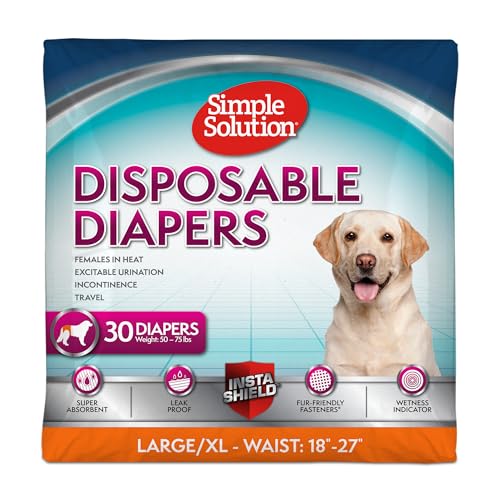
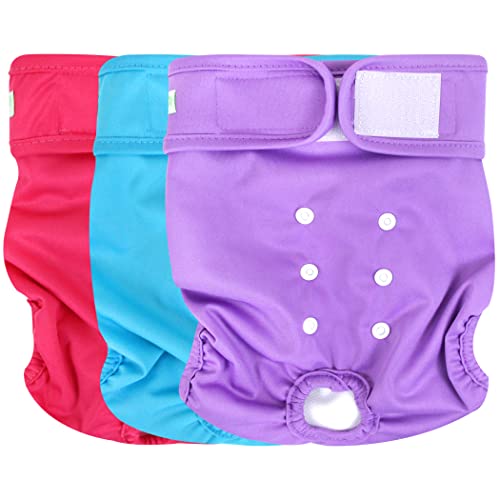

Before You Start
Prepare a dedicated space for the dog to rest and limit her access to living areas when possible. Have fresh towels or washable mats ready, plus a trash container lined with bags for easy disposal. Safety cautions include never leaving a dog unattended on stairs or near fragile items, and avoiding household cleaners that are toxic to pets. Plan a cleaning routine that fits your schedule, typically daily or every other day during the peak days of the heat cycle.
Step-By-Step: How To Keep A House Clean When Dog Is In Heat
- Attach a properly sized diaper before the dog becomes restless or curious about her new routine.
- Secure the diaper snugly but comfortably to prevent leaks, checking that there is enough space for movement and breathing.
- Place a washable or disposable pad beneath the dog’s resting area to protect furniture and floors.
- Set up a daily cleaning cadence, starting with high-traffic rooms, to wipe down surfaces and vacuum hair and debris.
- Use an enzymatic pet stain and odor remover spray on any soiled spots to neutralize odors at the source.
- Wash or replace diapers as indicated by use, and launder soiled fabrics separately to prevent cross-contamination.
- Groom the dog lightly to remove loose fur and minimize shedding during cleanup times.
- Ventilate rooms by opening windows or using a fan to improve air quality and reduce residual smells.
- Keep a dedicated cleaning kit handy containing disposable wipes, towels, and a mild, pet-safe cleaning solution.
- Monitor for any signs of skin irritation or discomfort from the diaper and adjust fit or materials as needed.
- Establish a routine that alternates quiet time with short walks to help the dog stay calm and reduce stress-related messes.
- Review weekly to adjust diaper sizes or swap to a different product if needs change during the cycle.
Troubleshooting
| Symptom | Likely Cause | Fix | Prevention |
|---|---|---|---|
| Diaper leaks | Wrong size or loose fit | Re-measure and switch to a larger size or adjust fastenings | Check fit daily, use snug waist and leg closures |
| Strong odor persists | Inadequate cleaning or odor trapped in fabrics | Treat stains with enzymatic cleaner; launder fabrics | Clean areas promptly; use odor-neutralizing sprays |
| Diaper irritation or rash | Prolonged contact or material sensitivity | Switch diaper type and apply pet-safe balm as needed | Change diapers frequently; ensure breathable materials |
| Hair accumulation on furniture | Shedding during heat cycle | Vacuum or lint-roll surfaces regularly | Daily quick cleanups during peak days |
Common Mistakes
- Waiting too long to clean up accidents, which can set stains and odors.
- Using harsh household cleaners that are not pet-safe around the dog.
- Neglecting diaper changes, leading to discomfort and leaks.
- Inadequate ventilation, causing lingering smells in living spaces.
Tips For Best Results
- Choose a diaper style that matches your dog’s body shape and movement to reduce leaks.
- Use multiple cleaning methods: surface wipes for daily messes and enzymatic cleaners for stains and odor.
- Keep fabrics separated by washing diapers and textiles that contact urine to prevent cross-contamination.
- Schedule repeat cleanings after meals or rest periods when leakage is more likely.
- Provide a calm, comfortable space to limit stress-induced accidents or digging behaviors that complicate cleanup.
Call A Professional
If leakage is severe or if there is an ongoing skin irritation from diapers, consult a veterinarian or professional pet care service. Seek immediate help if there are signs of infection, persistent odors despite cleaning, or if the dog shows unusual behavioral changes such as aggression or excessive anxiety.
FAQ
What is the best diaper size for a dog in heat?
Choose size based on measured waist and hip girth, ensuring the diaper sits securely without restricting movement.
How often should I change the diaper?
Check and change as needed, typically every few hours or when soiled to prevent discomfort and skin irritation.
Can I use regular detergent on washable diapers?
Use a mild, pet-safe detergent and avoid fabric softeners that can irritate skin.
What should I do if there is a strong ammonia smell?
Clean with an enzymatic remover to break down urine compounds, and ensure proper diaper fit to reduce future leaks.
Buying Guide
When selecting products for managing a dog in heat, consider these factors to balance cleanliness, comfort, and practicality:
- <bSize and fit: Ensure the diaper matches the dog’s measurements; a poor fit increases leaks and discomfort.
- <bMaterial: Prefer breathable, skin-friendly fabrics for washable diapers and reliable waterproof barriers for disposables.
- <bAbsorbency: Higher absorbency reduces leakage between changes, especially overnight.
- <bOdor control: Pair diapers with enzymatic cleaners to neutralize odors at the source.
- <bEase of use: Look for adjustable closures, reusability, and ease of laundering.
- <bCare and maintenance: Follow washing instructions to extend diaper life and hygiene.
- <bPlacement: Designate a clean, easy-to-reach spot for the dog’s resting area and cleanup supplies.
Common questions often focus on practicality, such as combining diapers with training routines and managing odors across the home. A thoughtful setup helps maintain a clean environment without stressing the dog or household members.
Leave a Reply