How to Clean Milk Out of Carpet
Milk spills on carpet can leave sticky residues and lingering odors if not handled promptly. This guide walks American readers through proven, practical steps to remove fresh and set milk stains using common cleaning tools and household supplies. By following the method below, you can restore carpet fibers and keep your home smelling fresh.
Quick Answer
Act fast. Blot up as much liquid as possible, then treat the area with a gentle cleaning solution. Rinse, blot, and repeat until the stain disappears. For stubborn spots, use a specialized cleaning tool or detergent designed for dairy spills. Always test cleaners on a hidden area first to avoid color damage.
What You’ll Need
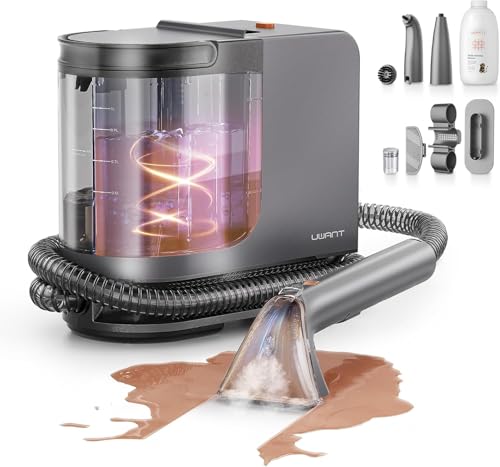
- Carpet steam cleaner with upholstery tool for milk spill stains
- Wet dry vacuum with carpet attachment for dairy spill cleanup
- Carpet stain remover spray bottle and scrub brush kit for milk spills


Before You Start
Prepare the space by removing nearby objects and laying down towels to catch drips. Vacuum or brush the area lightly to lift any loose fibers. Choose a clean, neutral-scented cleaner to avoid masking odors with strong fragrances. Safety note: If anyone in the home has allergies or sensitivities, opt for fragrance-free products and ensure good ventilation. Time estimate: 15–30 minutes for fresh spills; 1–2 hours for set-in stains with multiple passes.
Step-By-Step: How To Clean Milk Out Of Carpet
- Blot the spill with a clean, white cloth or paper towels to soak up as much liquid as possible. Do not rub, which can push milk deeper into fibers.
- Apply a small amount of warm water to the area and blot again to dilute the milk. Repeat until the cloth shows little to no color transfer.
- Spritz a carpet stain remover spray bottle lightly over the area. Let it dwell for 5–10 minutes to break down fats and proteins in the milk.
- Gently scrub with a soft brush to lift the stain from fibers. Use circular motions and avoid scrubbing too hard, which can fray fibers.
- Rinse with a clean cloth dampened with water, then blot to remove moisture and cleaner residue.
- For deeper extraction, use a wet dry vacuum with carpet attachment to remove moisture and remaining solution from the carpet backing and pile.
- If odors persist, repeat the cleaner application and extraction steps. In some cases, a second application followed by thorough drying is needed.
- Dry the area completely using fans or a dehumidifier. Avoid walking on the damp spot until fully dry to prevent new soiling.
- Check the stain after drying. If any discoloration or stickiness remains, repeat the cleaning cycle or consider a specialized enzyme-based cleaner.
- Offer a final light vacuum once the area is completely dry to restore carpet texture.
Troubleshooting
| Symptom | Likely Cause | Fix | Prevention |
|---|---|---|---|
| Stain remains after first pass | Milk proteins penetrated deeply | Repeat cleaner application and extraction | Address spills immediately, blot rather than rub |
| Strong odor persists | Milk residue left behind | Use an enzyme-based cleaner and thorough rinsing | Ventilate and dry completely |
| Fiber discoloration | Cleaner or dye-sensitive fiber | Test cleaner on hidden area first; use milder products | Spot test any product before full use |
| Fibers stiff after drying | Detergent residue | Rinse with clean water and blot well | Use minimal cleaner and ensure thorough rinsing |
Common Mistakes
- Rubbing milk into the carpet, which makes stains harder to remove
- Using hot water, which can set proteins and odors
- Skipping a thorough rinse, leaving soap residue that attracts dirt
- Delaying cleanup, allowing milk to dry and bond with fibers
Tip: Always work from the edge of the stain toward the center to prevent spreading.
Tips For Best Results
- Work with cool or lukewarm water; hot water can set stains and odors.
- Blot, don’t rub, and use clean cloths to avoid reintroducing soils.
- Test any cleaning product on a hidden area of the carpet first to prevent color loss.
- Consider using a carpet steam cleaner with an upholstery tool for thorough extraction on larger spills.
- For persistent dairy odors, sprinkle a light amount of baking soda after drying and vacuum up after a few hours.
Call A Professional
Seek professional help if the stain covers a large area, persists after multiple cleaning attempts, or if the carpet is a delicate or high-end fiber. Warning signs include dye brightening, texture changes, or persistent odor after repeated cleaning. A pro can assess fiber type and use advanced equipment to restore the carpet without risk.
FAQ
Can I use regular dish soap on milk spills?
Yes, a mild dish soap solution can help, but be sure to rinse thoroughly to avoid residue.
Is enzyme-based cleaner better for milk spills?
Enzyme cleaners can break down the proteins in milk and work well on set stains and odors.
Should I use hot water to clean milk stains?
No. Hot water can set the stain and odors; use cool to lukewarm water.
How long should I wait after cleaning before walking on the area?
Wait until the carpet is fully dry to prevent re-soiling and matting.
Buying Guide
When selecting gear to tackle milk spills on carpet, consider these factors to ensure effective cleaning and convenience:
- Size and capacity: For occasional spills, a compact cleaner suffices; large spills may need a stand-up machine or a wet/dry vacuum with a carpet attachment.
- Noise level: Some models run quietly, which matters for homes with kids or nighttime spills.
- Energy efficiency: Look for energy-efficient motors and accessories that minimize running costs.
- Controls and ease of use: Simple spray, scrub, and extraction controls save time during cleanup.
- Portability and storage: Lightweight units with easy storage help for quick cleanup sessions.
- Placement and setup: Consider where you’ll clean most often (living room, stairs, bedrooms) and whether you need a compact model or a larger extractor.
- Accessory versatility: Tools like upholstery attachments and scrub brushes improve stain removal across fabrics and surfaces.
- Maintenance: Look for washable brushes and removable tanks for easier cleaning between spills.
In many homes, a combination approach works best: a dedicated carpet steam cleaner with upholstery tool for spills, plus a wet/dry vacuum for larger dairy incidents, and a stain remover spray kit for spot treatment. This setup provides flexible, practical options for milk cleanup and helps keep carpets looking fresh without professional intervention every time.
Leave a Reply