How to Clean Dog Teeth Without Brushing
Maintaining your dog’s dental health is essential for overall well-being. If your canine companion resists brushing, there are practical, vet-approved alternatives to help reduce plaque, freshen breath, and promote healthier gums. This guide covers effective methods, safe products, and when to seek professional care.
Quick Answer
Use a combination of a dog dental water additive, anti-tartar dental chews, and an oral hygiene spray to support teeth between brushing sessions. Start with small, gradual introductions to any new product, monitor for adverse reactions, and schedule regular veterinary checkups for a comprehensive cleaning plan.
What You’ll Need
- Dog dental water additive formulated for dogs to reduce plaque and freshen breath
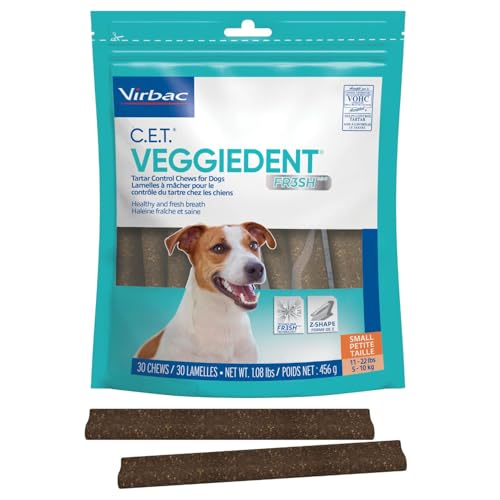
- Dog dental chews anti tartar designed to mechanically scrub teeth and combat tartar buildup
- Dog oral hygiene spray for targeted cleaning on gum lines and hard-to-reach teeth
- Optional: vet-approved dental wipes for quick surface cleaning


Before You Start
Assess your dog’s temperament and health status before introducing new dental products. Begin with small amounts or milder concentrations to avoid upsetting the stomach. Always read product labels for dosage and usage guidelines. If your dog has diabetes, kidney disease, or is on medications, consult a veterinarian before using additives or sprays. A basic dental exam and professional cleaning are recommended at least once a year.
Critical cautions: do not use human mouthwash or hydrogen peroxide products on pets, and never substitute products not labeled for canine use. If you notice bleeding, persistent foul odor, or swelling, stop use and seek veterinary advice.
Step-By-Step: How To Clean Dog Teeth Without Brushing
- Introduce the dog dental water additive gradually by adding a small amount to water for a few days, then increase to the recommended level as your dog tolerates it.
- Offer a flavorful, chew-based routine with dog dental chews anti tartar as a daily or every-other-day treat to help scrub surfaces during chewing.
- Place a small amount of dog oral hygiene spray directly onto the gum line and the outer tooth surfaces, focusing on molars and premolars where plaque tends to accumulate.
- Alternate days with dental chews and spray to avoid over-reliance on one method while maintaining consistent periodontal care.
- Check your dog’s mouth after each session for signs of irritation or discomfort; discontinue use if redness or swelling appears.
- Combine these methods with routine at-home care, such as wiping the outer tooth surfaces with dental wipes when needed.
- Schedule a veterinary dental checkup to assess gum health, pocket depth, and to plan a professional cleaning if needed.
- Observe breath changes over several weeks. A noticeable improvement may indicate reduced bacteria and plaque buildup.
- Maintain a consistent schedule and track progress in a simple dental care log to spot any regressions early.
- Gradually wean into a longer-term plan that includes at least periodic professional cleanings as recommended by your veterinarian.
- Adjust product choices if your dog develops food sensitivities or allergies; consider hypoallergenic formulations if needed.
- Maintain fresh water availability and a calm, positive routine to reduce stress during dental care sessions.
Troubleshooting
| Symptom | Likely Cause | Fix | Prevention |
|---|---|---|---|
| Dog spits out water additive | Unfamiliar taste or concentration | Dilute for a few days, then gradually increase | Introduce slowly and use milder flavors |
| Dental spray causes coughing | Spray applied too close to the throat | Apply along gum line only and avoid direct throat area | Follow label application technique |
| Chews quickly discarded or rejected | Texture too hard or flavor not appealing | Try softer chews or different flavors | Rotate product types to maintain interest |
| Bleeding gums after use | Existing gum disease or irritation | Discontinue use and consult a vet | Get a dental assessment before continuing with products |
| Persistent bad breath | Plaque buildup or oral infections | Increase frequency of cleanings and consider veterinary evaluation | Combine with professional dental care |
Common Mistakes
- Relying solely on one product without professional evaluation
- Using human products or not following dosage instructions
- Forgetting to provide fresh water after additives or chews
- Ignoring changes in appetite or digestive upset after new products
Remember that no single method replaces a professional cleaning. Regular vet visits help tailor a dental plan to your dog’s needs.
Tips For Best Results
- Rotate among dog dental water additive, dog dental chews anti tartar, and dog oral hygiene spray to keep routines engaging and effective.
- Pair dental care with a balanced diet formulated for dental health, when advised by a veterinarian.
- Keep a simple diary or app note logging products used, dates, and any reactions to detect patterns.
- Use positive reinforcement—treats, praise, and a calm tone—to reduce stress during procedures.
- Schedule professional dental cleanings based on your dog’s age, breed, and risk factors.
Call A Professional
Seek veterinary guidance if there are signs of severe dental disease, persistent bad breath, bleeding gums, loose teeth, or pain during eating. If your dog shows reluctance to any dental product, if you notice digestive upset after use, or if there is no improvement after several weeks, contact a veterinary professional for a comprehensive examination and potential cleaning under anesthesia or sedation as appropriate.
FAQ
Can I use dog toothpaste to clean teeth without brushing?
Dog toothpaste is designed for brushing, but some owners use it with finger brushes or dental wipes. For non-brushing methods, rely on water additives, chews, and sprays labeled safe for dogs.
How long does it take to improve my dog’s breath with these products?
Breath improvement can appear within a few weeks, depending on the dog’s level of tartar and bacteria. Consistency is key.
Are dental chews safe for all dogs?
Most are safe for healthy dogs when used as directed. Always check ingredients for allergen concerns and avoid giving chews that are too hard for small dogs.
When should I see the vet for dental problems?
Visit the vet if you notice persistent bad breath, bleeding gums, swelling, loose teeth, or difficulty eating, as these may indicate advanced dental disease requiring professional care.
Buying Guide
When selecting products to help clean dog teeth without brushing, consider factors like size, flavor, and how your dog tolerates each product. Look for veterinary endorsement, clear usage instructions, and safety certifications. Compare the following perspectives to choose the best combo for your dog.
Product Types and Use
Evaluate the combination of dog dental water additive, dog dental chews anti tartar, and dog oral hygiene spray for complementary action. Some dogs respond better to chews, while others prefer sprays. Align choices with behavior, mouth sensitivity, and lifestyle.
Size and Fit
Choose dental chews and sprays sized for your dog’s breed and jaw strength. Avoid oversized chews for small dogs to prevent choking hazards. Check packaging for weight guidelines and age recommendations.
Noise Level and Sensory Comfort
Products like water additives and sprays are silent or minimally intrusive. If your dog is sensitive to taste or scent, start with milder flavors and gradually adapt to stronger options.
Energy Efficiency and Convenience
Water additives are maintenance-light and act continuously with water intake. Sprays and chews offer bite-sized engagement without daily prep, ensuring convenience for busy owners.
Controls and Dosing
Carefully follow dosing instructions for additives, and monitor your dog after initial use. Some dogs may require gradual ramp-up or alternative formulations if intolerance occurs.
Placement and Accessibility
Store products in a cool, dry place and place sprays or wipes where you can easily access them during routine care. For dogs wary of handling, use step-by-step, low-stress introductions to the routine.
Leave a Reply