How to Clean Fur Coat
Keeping a real fur coat clean and well-maintained protects its luster and longevity. This guide provides practical, safe steps for routine care, avoiding common mistakes that can damage fur. Readers will learn what tools to have on hand, how to prep a cleaning session, and when to seek professional help.
Quick Answer
Spot-clean with a dedicated fur grooming brush and a lint roller for light debris, then use a real fur coat cleaning kit for deeper cleaning. Avoid soaking fur, and always air-dry away from heat sources. Regular brushing helps maintain pile and prevents matting.
What You’ll Need
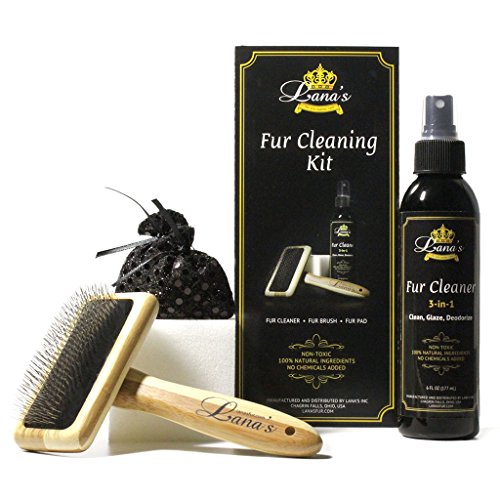
- Real fur coat cleaning kit
- Fur grooming brush for real fur
- Lint roller for fur coat


Before You Start
Assess the coat for moth holes, strong odors, or obvious staining. Work in a well-ventilated area and away from direct sunlight. Test any product on a hidden seam first. Time estimate: 30–60 minutes for surface cleaning; up to several hours for deeper care when air-drying. Important: do not use heat or harsh chemicals that can damage fur fibers or leather skins.
Step-By-Step: How To Clean A Real Fur Coat
- Inspect the coat for loose seams or damage; set aside any areas that need professional repair before cleaning.
- Wear clean, soft gloves to prevent transferring oils from hands to fur.
- Gently brush the fur with the fur grooming brush in the direction of the nap to remove dust and loose fibers.
- Use a lint roller to lift light pet hair or lint from the surface without pressing hard into the fur.
- For light odors, place the coat in a ventilated area and allow fresh air to circulate; avoid strong sprays.
- If using a real fur coat cleaning kit, follow the product instructions for any spot treatments, concentrating on the visible soiled areas only.
- Spot-clean only with the kit’s approved cleaners; never drench or submerge the fur in liquid.
- After cleaning, brush again to restore the fur’s direction and remove loosened fibers.
- Hang the coat on a broad shouldered hanger in a cool, dry area; avoid plastic garment bags that trap moisture.
- Allow full air-drying away from heat sources; do not use a dryer or heater to speed up drying.
- Schedule professional cleaning every 1–2 years, depending on wear, storage and exposure to elements.
- Store the fur in a breathable garment bag and keep it in a climate-controlled space to prevent damage.
Troubleshooting
| Symptom | Likely Cause | Fix | Prevention |
|---|---|---|---|
| Fur looks dull or stiff | Dust buildup | Gently brush or use a lint roller, then re-brush | Regular brushing after wear |
| Unpleasant odor | Moisture or stored moisture | Air out in ventilated area; avoid perfumes near fur | Store in dry, cool place with good airflow |
| Stains that won’t come out | Oil-based or deep dyes | Consult a professional cleaner | Spot-test any cleaner on hidden area first |
| Loose fibers after brushing | Over-brushing or aggressive technique | Brush gently along nap; stop if fibers shed | Use light pressure and proper brush |
Common Mistakes
- Over-wetting the fur or soaking the coat
- Using household cleaners or alcohol directly on fur
- Brushing against the nap, which roughens fibers
- Skipping professional inspection after noticeable damage
Tips For Best Results
- Brush the fur regularly to prevent tangling and matting, especially after wearing in wind or rain.
- Work in a cool, shaded area with gentle airflow to dry naturally.
- Store fur in a breathable bag; avoid plastic that traps moisture.
- Keep perfumes, hairsprays, and oils away from the coat to reduce staining and residue.
Call A Professional
Seek professional cleaners if you notice significant staining, oil-based spots, severe odor, or damaged seams. Stop handling the coat if there are visible cracks in leather skins or loose fur patches, as improper cleaning can worsen damage.
FAQ
How often should a real fur coat be cleaned?
Routine surface care can be done as needed, with a professional cleaning every 1–2 years depending on wear and storage conditions.
Can I clean a fur coat at home with household products?
No. Household cleaners can damage fur fibers and leather; use only products designed for fur or consult a professional.
Is it safe to brush a fur coat daily?
Yes, with a proper fur grooming brush and gentle strokes along the nap to avoid shedding.
What storage conditions are best for fur?
Cool, dry, well-ventilated space; use a breathable garment bag and avoid direct sunlight.
Buying Guide
When selecting a fur coat cleaning routine and related supplies, consider size and weight of the coat, the type of fur, noise or scent concerns with any cleaners, energy efficiency of any drying equipment, and the placement of storage or cleaning space. For tools, choose a dedicated fur grooming brush and lint roller that are gentle on fur fibers. A real fur coat cleaning kit should offer validated, fur-safe cleaners and clear instructions. Compare kits by stain-removal effectiveness, ease of use, and drying time. Think about your typical environment—airflow, humidity, and temperature—as these affect both cleaning efficacy and storage choices. If privacy or space is limited, a compact lint roller and handheld brush may be most practical, while larger, premium kits can cover heavier cleaning needs. Finally, ensure you have access to professional services if advanced restoration becomes necessary.
Leave a Reply