How to Get Rid of Boot Odor
Boot odor can be stubborn, especially after long days of wear in humid or active environments. This guide breaks down practical, safe methods to eliminate smells from boots and keep them fresh with tools and products that are readily available in American markets.
By combining drying, deodorizing inserts, and targeted sprays, users can reduce foot bacteria, moisture buildup, and lingering scents. The steps below are designed for common boot materials and should be adjusted for delicate fabrics or specialty footwear.
Quick Answer
Use a combination of drying, deodorizing inserts, and a boot-safe spray to tackle odor at the source. Start with a thorough dry, insert an odor-absorbing insert, and finish with a spray that targetedly neutralizes smells. Repeat as needed for persistent odors.
What You’ll Need
- electric boot dryer with odor eliminator
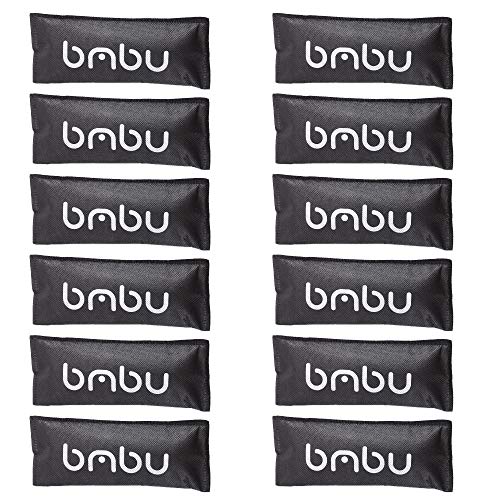
- activated charcoal boot deodorizer insert
- shoe deodorizing spray for boots and sneakers


Before You Start
Assess the boot material and care instructions to avoid damage. Plan for a thorough dry and deodorizing routine in a well-ventilated area. Typical sessions take about 15–60 minutes depending on moisture and odor level. Important cautions: avoid hot or high-heat methods that can warp leather, always test a small area first, and don’t over-saturate fabric with spray.
Step-By-Step: How To Use Odor-Control Tools On Boots
- Unlace and remove insoles if possible to expose the interior and allow thorough drying.
- Place the boots on a boot dryer with odor eliminator settings or a standard footwear dryer. Run on a low to moderate heat setting until internal moisture is reduced.
- While drying, insert an activated charcoal boot deodorizer insert into each boot to absorb moisture and neutralize odors from within.
- After drying, remove the inserts for inspection and air the boots briefly to ensure no heat buildup remains inside compartments.
- Apply a light mist of shoe deodorizing spray for boots and sneakers to the interior. Focus on inner walls, heel area, and toe box; avoid saturating the exterior.
- Let the boots air out in a dry, ventilated space for 15–30 minutes after spraying to allow the product to work and dry.
- Reinsert the deodorizer inserts if needed and replace insoles with fresh or cleaned ones as part of a routine upkeep.
- Repeat the process weekly or after heavy use to maintain freshness, especially in humid climates or during athletic seasons.
- For persistent odors, extend the deodorizing cycle, reapply the spray, and consider additional inserts for targeted areas like the toe box or heel.
- Store boots in a cool, dry place with the inserts in place between uses to maintain odor control.
Troubleshooting
| Symptom | Likely Cause | Fix | Prevention |
|---|---|---|---|
| odor returns after a day | Moisture buildup or insufficient deodorizer exposure | Increase drying time and reapply deodorizer spray | Dry boots completely after each use; use inserts consistently |
| Plastic or chemical smell after spray | Overuse of spray or incompatible material | Ventilate area and apply lighter mist | Test in a small area first; use recommended spray amounts |
| Insoles remain damp | Insoles not fully dry | Dry insoles separately or replace with breathable, moisture-wicking insoles | Allow extra drying time; rotate insoles |
| Charcoal insert discoloration | Moisture exposure or wear | Ensure dry storage; replace inserts as needed | Keep inserts dry between uses |
Common Mistakes
- Relying on a single method instead of combining drying, inserts, and spray
- Over-spraying, which can leave a strong residue or odor clash
- Ignoring moisture after activities, leading to bacterial regrowth
- Using inappropriate products on delicate leather or fabric
Tips For Best Results
- Schedule regular odor-control sessions, especially after workouts or rainy days.
- Pair with breathable socks to reduce moisture transfer into boots.
- Rotate between different odor-control inserts to extend their effectiveness.
- Store boots in a dry, well-ventilated area with doors or vents open slightly for airflow.
- Label and track when you last treated each pair to maintain consistency.
Call A Professional
Seek professional help if odor persists despite repeated use of the above methods, or if there is visible mold, persistent dampness, or a strong, unusual odor that cannot be eliminated. Persistent issues could indicate material damage or hidden moisture that requires expert assessment.
FAQ
Can I use these methods on all boot types?
Most methods work on common boot materials, but check care labels for leather, suede, or fabric limitations.
How often should I replace the activated charcoal insert?
Replace inserts when they become saturated or show diminished odor control, typically every few months with regular use.
Is it safe to mix products?
Avoid mixing sprays with other cleaning products; follow label directions and test compatibility on a small area first.
What if I have persistent foot odor despite odor-control products?
Foot odor may stem from foot hygiene or medical conditions; consider consulting a healthcare professional if symptoms persist.
Buying Guide
When shopping for odor-control tools for boots, consider multiple factors to ensure the best match for your needs and space.
Size and Fit
Choose an electric boot dryer with enough capacity for your typical boot size and pairings. Ensure it fits inside or easily alongside your storage area without crowding.
Noise Level
Look for models marketed as quiet or low-noise, especially if you store boots in bedrooms or living areas.
Energy Efficiency
Energy-efficient dryers use less electricity while delivering steady airflow. Check energy ratings if available and compare to typical usage.
Controls and Settings
Prefer adjustable heat and drying times, plus predictable odor-elimination modes. Simple controls reduce the risk of overheating.
Placement and Storage
Consider a setup that allows ventilation and airflow around boots. A dedicated boot cabinet with slotted racks or a ventilated shelf can help maintain freshness.
Maintenance and Replacement
Assess the ease of cleaning, replacing inserts, and replenishing deodorizing sprays. Long-term durability and readily available replacement parts are practical considerations.
Want a balanced solution? A combination of an electric boot dryer with odor eliminator, an activated charcoal boot deodorizer insert, and a shoe deodorizing spray for boots and sneakers often covers drying, absorbing moisture, and neutralizing smells efficiently, while staying adaptable to different boot styles and materials.
Leave a Reply