How to Clean Fruit With Salt: Simple, Safe, and Effective
Cleaning fresh fruit thoroughly helps remove surface residues, wax, pesticides, and microbes. Using a salt-based rinse is a practical approach that can be gentle on fruit while effectively reducing contaminants. This guide provides a clear, step-by-step method, plus practical tips and common pitfalls to avoid.
Quick Answer
Salt water rinses are a quick, inexpensive option to help reduce surface grime and microbes on most fruits. For delicate produce, use a lighter salt solution and shorter soak. Always rinse with clean water after the salt wash to remove any residual salt and loosened particles.
What You’ll Need
Use common kitchen tools and the following items, which align with the product keywords you may already own.
- Stainless steel fruit and vegetable scrub brush for firmer fruit skins like apples and cucumbers
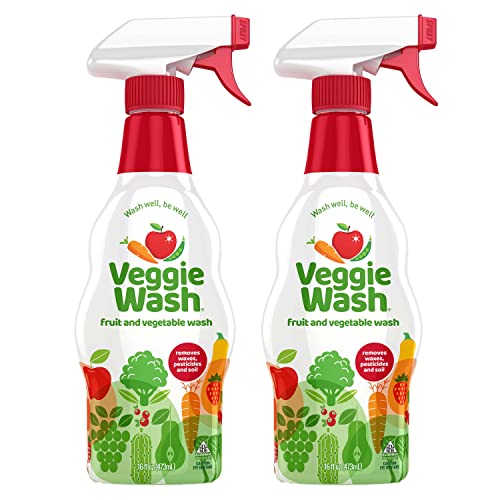
- Produce wash spray bottle food grade for soaking or spraying on larger batches
- Silicone fruit and vegetable scrubber for softer skins and gentle cleaning


Before You Start
Prepare a clean work area and gather your tools. Wash hands before handling fruit. For salt rinses, use a clean container or bowl and measure salt accurately. Do not use salt on porous or very delicate fruits in a way that could roughen the surface. If the fruit has surface damage, skip aggressive scrubbing. Time estimate: about 5–10 minutes per batch, depending on produce quantity and texture.
Step-By-Step: How To Clean Fruit With Salt
- Rinse fruit quickly under cool running water to remove loose dirt.
- Fill a clean bowl with lukewarm water and dissolve salt at a light to moderate concentration (roughly 1–2 teaspoons per quart of water, adjust to taste).
- Soak firm produce such as apples, pears, or citrus in the salted water for 2–3 minutes to loosen residues.
- For non-porous skins, gently scrub with a stainless steel fruit and vegetable scrub brush in circular motions to lift grime.
- For delicate skins or berries, use a silicone fruit and vegetable scrubber or simply rinse with the salt solution and avoid heavy scrubbing.
- Rinse each piece under cool, running water until no salt taste remains and all loosened particles are removed.
- Optional: after salt rinse, dry with a clean cloth or air dry on a dish rack to prevent moisture buildup.
- Dry produce thoroughly before storage to minimize moisture-related spoilage.
- Store cleaned fruit as you normally would, keeping it refrigerated if required by the type of fruit.
- Discard any produce that shows signs of spoilage or unusual odor even after rinsing.
- If you’re cleaning large quantities, consider a dedicated spray bottle for the salt solution to speed up the process.
Troubleshooting
| Symptom | Likely Cause | Fix | Prevention |
|---|---|---|---|
| Salt taste remains after rinse | Too strong a salt concentration | Dilute solution and re-rinse | Use milder salt levels next time |
| Skin appears rough after scrubbing | Too aggressive scrubbing on delicate fruit | Switch to silicone scrubber or reduce pressure | Use gentle motions and softer tools |
| Residue on berries | Prolonged soaking or inadequate rinsing | Short soak, rinse thoroughly | Rinse immediately after soak |
| Color change on citrus rind | Over-scrubbing or salt interaction | Limit scrubbing to light touch | Only scrub as needed |
Common Mistakes
- Using hot water which can degrade texture and speed spoilage
- Over-scrubbing delicate produce and bruising the flesh
- Not rinsing completely, leaving a salty film
- Rinsing in contaminated water or using dirty tools
Tips For Best Results
Salt rinses work well for general surface cleaning, but they aren’t a substitute for thorough washing. Combine with proper handling to maximize safety:
- Test on a small piece first when using new produce types
- Keep the salt concentration moderate to avoid altering taste or texture
- Use dedicated brushes for produce to prevent cross-contamination with other surfaces
- Follow with a fresh water rinse to remove residual salt and debris
Call A Professional
Consider consulting a food safety expert or a local extension service if you regularly handle large quantities of produce or deal with suspected contamination. Seek professional guidance if you notice persistent cuts, mold, or unusual odors on fruit that standard cleaning does not resolve.
FAQ
Is salt safe for all fruits?
Salt rinses are generally safe for most fruits, but use gentler methods on delicate skins like berries or peaches to avoid damage.
How long should fruit soak in salt water?
2–3 minutes is usually sufficient for firm fruits; softer varieties may only need a quick dip or spray.
Can I substitute sea salt or table salt?
Yes, both are acceptable in home cleaning; avoid iodized salt in large quantities if it may leave a residue or taste.
Should I wash produce before or after salt cleaning?
Rinse before salt cleaning to remove surface dirt, then follow with the salt wash for better results.
Do I need to dry fruit after cleaning?
Drying helps reduce moisture-related spoilage; pat dry with a clean towel or air-dry before storage.
Buying Guide
When choosing tools to support cleaning fruit with salt, consider size, durability, and ease of use. A good setup may include both a sturdy scrub brush for firmer skins and a silicone scrubber for delicate fruits. A produce wash spray bottle adds convenience for pre-wash or large batches. Look for food-grade materials, non-porous handles, and comfortable grips to minimize hand fatigue during longer cleaning sessions.
Key buying factors include:
- Size and ergonomics to match your countertop and handling comfort
- Material durability such as stainless steel and silicone that resist staining and odor
- Ease of cleaning and dishwasher compatibility
- Safety features like non-slip grips and rounded brush bristles
- Controls for spray bottles or soaking cups that are simple to operate
- <bPlacement in kitchen cabinets or under sink for quick access
Considering these factors helps ensure a practical, long-lasting setup that supports safe produce cleaning without lingering flavors or residues.
Leave a Reply