How to Clean a Split AC Drain Pipe
Maintaining a clean condensate drain line is essential for reliable cooling and preventing water damage. This guide outlines practical steps to clear clogs in a split AC system’s drain pipe using common tools and safe procedures. Readers will learn a quick method, needed supplies, and preventative care to keep condensate flowing smoothly.
Quick Answer
To clear a clogged condensate drain line, start by turning off the AC and power, locate the drain line access point, and flush with a gentle solution. If debris remains, use a drain line brush or a wet/dry vacuum to pull or loosen the blockage. Re-test drainage and seal any gaps once the line runs freely.
What You’ll Need
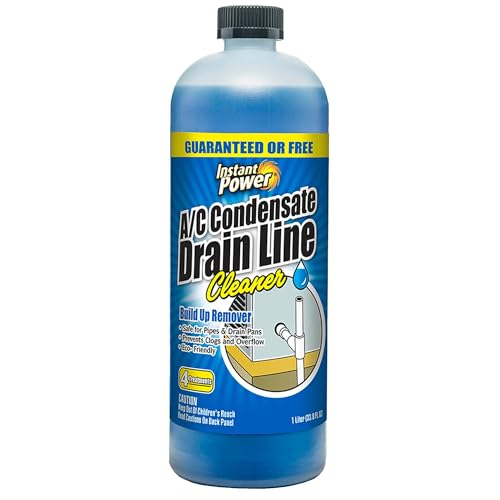
- AC condensate drain line cleaning kit 1/2 inch
- Condensate drain line unclogger brush for air conditioner 3/4 inch
- Wet dry vacuum for air conditioner condensate drain cleaning


Before You Start
Shut off the AC unit and disconnect power to minimize shock risk. Wear gloves and eye protection. Work in a dry area and keep pets and children away. Plan for potential water leakage and have towels or a bucket ready. Time estimate: 15–45 minutes depending on access and clog severity. Critical cautions: never run water blindly into a sealed system, and avoid forcing debris further into the line.
Step-By-Step: How To Clean A Split AC Drain Pipe
- Locate the condensate drain line access point near the indoor unit and identify any visible obstruction.
- Turn off the thermostat, set the breaker to OFF, and ensure the outdoor unit is not operating.
- Disconnect any removable drain caps or traps carefully to expose the drain line.
- Use a 1/2 inch cleaning kit or brush to loosen clogs near the access point, moving debris toward the waste area.
- If the pipe is still clogged, connect a wet/dry vacuum to the drain end and seal with a compatible adapter; run the vacuum to extract debris.
- Flush the line with a mild isopropyl-safe cleaning solution or warm water in small amounts, ensuring it drains freely.
- Reassemble caps or traps, restore power, and run the AC on a cooling cycle to verify drainage.
- Observe for any continued pooling or slow drainage over the next 24 hours; repeat cleaning if necessary.
- Inspect the drain pan and surrounding area for signs of overflow and clean up promptly to prevent mold growth.
- Consider installing a condensate overflow switch or filter if your system frequently clogs.
- Document the procedure and routine maintenance to schedule future cleanings every 6–12 months as needed.
- Keep a spare kit and vacuum attachment handy for quick future maintenance.
Troubleshooting
| Symptom | Likely Cause | Fix | Prevention |
|---|---|---|---|
| Water drips from indoor unit after cleaning | Partial clog or trap not resealed | Re-seal caps/trap; re-test drainage | Check seals during each cleaning |
| Drain line runs slowly | Partial debris persist | Re-clean with brush and vacuum | Use pre-cleaning brush annually |
| No drainage after flushing | Line kink or external blockage | Inspect route, remove obstruction with flexible tool | Trim back plants or insulation pressure |
| Frequent clogs | Very long run or dirty environment | Install condensate drain filter or clean more often | Schedule regular maintenance |
Common Mistakes
- Using aggressive chemicals that may corrode plastic lines
- Forcing debris further into the drain instead of extracting it
- Neglecting to shut off power or disconnect before starting
- Rushing the flush without allowing adequate drainage time
Tips For Best Results
- Schedule routine cleanings aligned with HVAC servicing calendars
- Keep a dedicated maintenance kit with brushes and a compatible vacuum
- Label access points to streamline future cleanings
- Inspect for signs of algae or mold growth around the drain pan and treat promptly
- Consider a yearly drain line test during HVAC inspection calls
Call A Professional
Seek professional help if the clog recurs after multiple cleanings, if you notice persistent overflow, or if there are signs of refrigerant leaks, unusual noises, or electrical issues. Do not attempt repairs beyond basic flushing if you are unfamiliar with electrical or refrigerant systems. In emergencies, contact an HVAC technician promptly.
FAQ
How often should I clean the split AC drain pipe?
Aim for a cleaning every 6–12 months or sooner if you notice slow drainage or odors.
Can I use bleach to clear the drain line?
Bleach can damage components; use non-corrosive cleaners or plain water and approved non-chemical methods.
What if water leaks from the indoor unit after cleaning?
Shut off power, check seals and caps, and re-test drainage. If leaks persist, call a pro.
Is a wet/dry vacuum safe for an AC drain line?
Yes when used carefully with the correct attachment and power settings; avoid forcing air or water under pressure.
Can a dirty drain line cause mold?
Yes. Regular cleaning reduces mold risk and helps maintain air quality.
Should I replace the drain line if it’s cracked?
Cracks require replacement by a licensed technician to prevent leaks and refrigerant issues.
What tools help when access points are hard to reach?
A flexible drain brush and a narrow vacuum attachment often work best for tight spaces.
Buying Guide
Choosing the right tools for cleaning a split AC drain pipe depends on line size, access, and how often you plan to maintain the system. Consider compatibility with your unit and ease of use. For most residential setups, a 1/2 inch cleaning kit, a 3/4 inch drain line brush, and a compact wet/dry vacuum provide a solid, versatile set of options. Look for durable brushes, corrosion-resistant materials, and clear instructions. Noise level and portability matter for frequent homeowners, and hose compatibility helps when flushing. Prioritize safety features and a robust warranty for long-term use.
Leave a Reply