How to Get Rid of Moths in Bathroom
Moths in the bathroom can be a nuisance, especially when they appear near clothing, towels, or stored fabrics. This guide explains practical, safe steps to reduce moth activity, disrupt their life cycle, and prevent future infestations. The focus is on common bathroom moths and effective, consumer-friendly solutions.
Quick Answer
Start with a thorough cleaning, targeted traps, and a preventive spray. Use a plug-in electric moth trap for indoor use near the source, place a clothes moth pheromone trap for home in affected areas, and treat closets or storage with a dedicated moth repellent spray for bathroom closets. Regular vacuuming and sealing cracks help prevent recurrence.
What You’ll Need
- Plug-in electric moth trap for indoor use
- Clothes moth pheromone trap for home
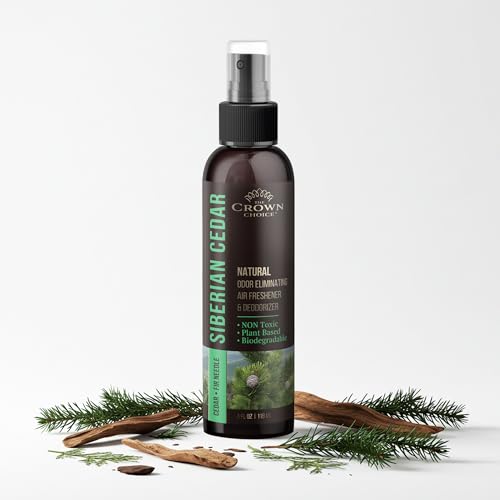
- Moth repellent spray for bathroom closets
- Cleaning supplies (vacuum with hose attachment, microfiber cloths, mild detergent)
- Sealed storage containers or garment bags for textiles


Before You Start
Prepare the bathroom and adjacent areas by clearing spaces where moths hide. Turn off or unplug electrical devices when handling traps and sprays and ensure ventilation when using sprays. Time estimates vary by area, but plan for a thorough 1–2 hour initial treatment, followed by routine maintenance. Safety cautions: avoid spraying directly on skin, and keep away from pets and food surfaces.
Step-By-Step: How To Get Rid Of Moths In Bathroom
- Identify hotspots where moths are seen or suspected, such as behind towels, near storage shelves, and inside closets.
- Declutter and wash affected textiles; run delicate fabrics through the washing machine or dry cleaning as appropriate, and air-dry completely.
- Set up a plug-in electric moth trap for indoor use in the bathroom or adjacent areas to attract and trap moths using pheromones and heat.
- Place a clothes moth pheromone trap for home near the source of infestation, such as storage bins or wardrobe walls, following the product instructions.
- Apply moth repellent spray for bathroom closets to interior surfaces where moths hide, avoiding direct contact with textiles unless the product is designed for fabric contact.
- Vacuum thoroughly, focusing on corners, baseboards, under shelves, and inside drawers. Empty the vacuum bag or canister immediately after use.
- Seal cracks and gaps around closet doors, vent hoods, and plumbing penetrations to reduce entry points for moths.
- Establish ongoing prevention by rotating traps monthly, maintaining clean storage conditions, and keeping textiles in sealed containers when not in use.
Troubleshooting
| Symptom | Likely Cause | Fix | Prevention |
|---|---|---|---|
| Moths persist after treatment | Residual eggs or hidden larvae | Re-treat with traps and spray per label; vacuum thoroughly again | Keep textiles clean and stored; maintain traps |
| Traps not catching moths | Trap placement is ineffective | Move traps closer to problem areas; follow product directions | Monitor hotspots and adjust as needed |
| Strong chemical scent | Spray overuse | Discontinue use and ventilate; reapply sparingly | Use as directed and combine with non-chemical controls |
| Textiles show holes or damage | Existing larvae feeding | Launder or dry-clean fabrics; use protective storage | Store fabrics in sealed containers |
Common Mistakes
- Relying on a single treatment instead of combining traps, sprays, and cleaning
- Ignoring hidden larvae in vents, behind shelves, or inside fabric folds
- Spray over fabrics not labeled for fabric contact, risking damage
- Skipping regular maintenance after the initial cleanup
Tip: Consistency matters. Regularly refresh traps and maintain a clean storage environment to keep moths at bay.
Tips For Best Results
- Coordinate trap placement with closet and storage layouts to maximize exposure to moths.
- Label storage containers with date of last cleaning and trap replacement to stay organized.
- Use natural ventilation when possible to reduce chemical buildup in small bathrooms.
- Pair traps with routine laundry cycles and garment care practices to prevent re-infestation.
Call A Professional
Seek professional help if moth activity continues after two full treatment cycles, or if there is extensive fabric damage, multiple rooms, or a large hidden infestation. Signs that require a pro include persistent infestation after using traps and sprays, or structural entry points that are not easily addressed by a DIY approach.
FAQ
What is the first sign of a moth problem in a bathroom?
Small moths flying around or larvae seen on fabrics indicate an infestation that should be addressed quickly.
Can I use moth traps in a bathroom with humidity?
Yes, but place traps away from direct water sources and ensure they are kept dry for best results.
Are moth repellent sprays safe for bathroom closets?
Most are formulated for closet use; always follow label directions and test on a small fabric area first.
How long does it take to see results?
Results typically appear within a few weeks, with continued improvement as traps remain active and cleaning continues.
Do I need to throw away infested textiles?
If fabrics show larvae or damage, consider laundering, dry cleaning, or discarding heavily damaged items to prevent re-infestation.
Should I remove the traps during heavy cleaning?
Traps can remain in place during cleaning, but follow product guidance for removal and reinstallation if needed.
Is professional treatment expensive?
Costs vary by area and scope; a professional assessment can help determine if DIY methods suffice or if a targeted service is necessary.
Buying Guide
When selecting moth control products for bathroom use, consider the following factors to ensure effective and safe results:
- Size and placement: Choose traps that fit the space and can be placed near likely hotspots without obstructing movement or ventilation.
- Noise level: Plug-in traps are typically quiet; verify any fan or light noise if placed near living spaces.
- Energy efficiency: Look for energy-efficient traps that operate continuously with minimal power use.
- Controls: Simple on/off controls and clear instructions improve compliance and effectiveness.
- Placement: Place traps away from direct water exposure and ensure easy access for replacement and maintenance.
Comparing options across categories helps: a plug-in electric moth trap for indoor use can work quickly in high-activity areas, while a clothes moth pheromone trap for home targets fabric specifically. A moth repellent spray for bathroom closets provides direct treatment to suspect surfaces. Consider a combined approach for best results and longevity of prevention efforts.
Leave a Reply