How to Clean the Outside of a Cast Iron Skillet
Cast iron skillets are prized for heat retention and versatility, but the exterior can accumulate rust, grime, and stubborn residue over time. This guide outlines practical, safe methods to clean the outside of a cast iron skillet while protecting the seasoning and maintaining longevity. The steps focus on effective tools and common-sense care that American cooks can apply at home.
Quick Answer
Quick method: Use a stiff exterior-safe brush (steel, brass, or non-scratch nylon) with warm water and gentle scraping. Dry thoroughly, apply a light coat of oil, and heat briefly to seal. For tough rust or grime, repeat with a brass or steel brush, then re-season if needed.
What You’ll Need
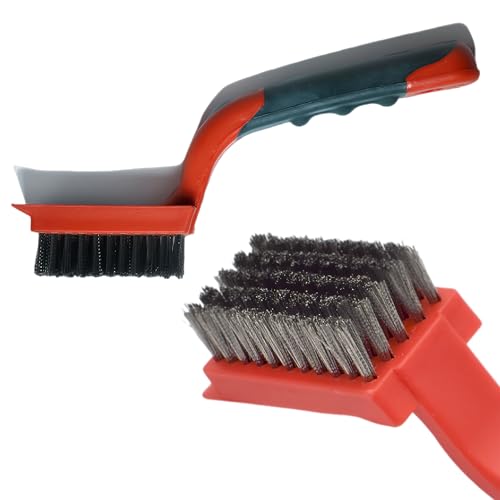
- Steel wire brush for cast iron skillet exterior cleaning
- Brass wire brush cast iron skillet rust and grime removal
- Non-scratch nylon scrub brush cast iron skillet exterior
- Dish soap (optional for initial cleanup, use sparingly)
- Clean, dry cloths or paper towels
- Cooking oil or shortening for re-seasoning
- Warm water

Before You Start
Before cleaning the exterior, ensure the skillet is cool and stable on a heat-safe surface. For safety, wear gloves if the handle is hot after cooking. Work in a well-ventilated area to avoid inhaling any dusty grime. If rust is present, address it promptly to prevent further corrosion. Time estimate: 10–20 minutes for routine cleaning; 30–60 minutes for heavy rust removal with re-seasoning.
Critical cautions: Never soak a seasoned cast iron skillet for long periods, which can encourage rust. Avoid using metal abrasive pads that can scratch the seasoning unless you’re removing rust and plan to re-season afterward.
Step-By-Step: How To Clean The Exterior Of A Cast Iron Skillet
- Inspect the surface – Check for loose seasoning, flaking rust, or heavy grime. Decide whether you can clean with brushing alone or if rust removal is needed.
- Rinse with warm water – Briefly rinse the exterior under warm water to loosen loose grime. Do not soak for extended periods.
- Choose an appropriate brush – For light grime, a non-scratch nylon scrub brush works well. For rust or stubborn build-up, switch to a brass or steel brush, using light pressure.
- Scrub in a circular motion – Work from the top edge down to the bottom, aiming to lift grime without grinding into the surface. Maintain a steady, gentle rhythm to protect the seasoning.
- Rinse and assess – Rinse again to remove dislodged material. If rust or heavy grime remains, repeat step 4 with a metal brush, taking care not to remove too much of the seasoning.
- Dry thoroughly – Use a clean cloth or paper towels to dry the exterior completely. Any remaining moisture can promote rust.
- Apply a light oil coating – Wipe with a thin layer of oil or softened shortening to prepare for seasoning and to inhibit rust.
- Heat to seal the surface – Place the skillet on a stove burner or in an oven set to a moderate temperature for several minutes until the oil sets and forms a protective film.
- Reassess and repeat if needed – If any rust or grime persists, repeat the brushing and heating steps, then re-season the skillet to rebuild the exterior coating.
- Store properly – After cooling, store in a dry place with a light protective layer of oil on the exterior to prevent future rust.
- Optional re-seasoning – For heavily oxidized surfaces, consider a full re-seasoning: clean, dry, coat with oil, bake at a high heat, and allow to cool gradually to form a durable finish.
Troubleshooting
| Symptom | Likely Cause | Fix | Prevention |
|---|---|---|---|
| Rust returns after cleaning | Insufficient drying or uneven seasoning | Thoroughly dry, re-apply a thin oil layer, and heat to bake on the oil | Dry promptly after each use; store in a dry area |
| Scratches appear on exterior | Overly aggressive brushing | Switch to a non-scratch nylon brush and light pressure; re-season if needed | Use appropriate brushes for the exterior and avoid harsh pads |
| Rings or uneven sheen | Uneven oil application | Apply a uniform, thin coat of oil and heat evenly | Wipe off excess oil before heating |
| Exposed metal showing | Flaking seasoning | Gently remove loose bits and re-season | Maintain a consistent seasoning routine |
Common Mistakes
- Over-scrubbing with harsh brushes that remove the seasoning
- Using excessive soap on a seasoned exterior
- Allowing the skillet to air-dry in humid spaces, inviting rust
- Ignoring rust signs and delaying re-seasoning
Being mindful of these mistakes helps maintain a protective exterior layer and extends the life of the skillet.
Tips For Best Results
- Match the brush to the job: nylon for light grime, brass for moderate rust, steel only when necessary.
- Always dry completely before applying oil to prevent moisture-driven rust.
- Apply oil in a very thin layer; excess oil can create a sticky or uneven finish after heating.
- Seasoning is an ongoing process—regular maintenance improves nonstick properties and rust resistance.
- Store in a dry area and consider placing a paper towel between stacked cookware to absorb moisture.
Call A Professional
Consider professional help if the exterior shows deep, flaking rust, structural damage, or if repeated rust returns despite thorough cleaning and seasoning. Stop cleaning and seek guidance when you notice significant warping, cracks, or compromised handles, as these issues may require replacement parts or more extensive restoration.
FAQ
Can I use steel wool on the exterior?
Only if the cast iron is heavily corroded and you plan to re-season afterward; steel wool can remove seasoning.
Is soap ever appropriate for the exterior?
Soap can be used sparingly for initial cleanup, but avoid frequent use on seasoned surfaces to preserve the finish.
How do I prevent rust after cleaning?
Dry thoroughly and apply a light oil coating; store in a dry environment and re-season periodically.
When should I re-season after cleaning?
If the exterior looks dull, rusted, or rough after cleaning, re-season to restore protection and improve nonstick performance.
Buying Guide
Choosing the right approach to cleaning and maintaining the exterior of a cast iron skillet involves considering size, heat sources, and existing seasoning. For most home cooks, standard kitchen skillets offer reliable performance when cleaned with appropriate brushes and seasonal care. When comparing brushes and tools, look for durable materials that won’t scratch the exterior, and choose tools that match the level of grime and rust on the skillet.
Key buying factors include size and weight for handling, noise level of the cleaning tools, and the ease of control during brushing. Consider energy efficiency and whether you primarily use a stove or oven for seasoning and maintenance. For kitchens with limited space, select compact tools that store neatly without compromising on effectiveness. Placement is also important; keep cleaning supplies within easy reach but away from heat sources and moisture-prone areas. A thoughtful combination of a nylon brush for everyday use and a brass or steel brush for tougher jobs can cover most cleaning scenarios.
Leave a Reply