How to Clean a Cloud Couch: Fabric Care Guide
Cloud couches, known for their plush comfort and soft textures, require careful cleaning to preserve their look and feel. This guide outlines practical, step-by-step methods to refresh microfiber and velvet upholstery while minimizing wear. Readers will find safe techniques, recommended tools, and troubleshooting tips tailored for American homes.
Quick Answer
For routine cleaning, start with a gentle vacuum to remove surface debris, then tackle spots with a fabric-safe cleaner or a portable upholstery steamer designed for sofas. For microfiber or velvet, use a soft brush to lift fibers after cleaning. Always test cleaners on an inconspicuous area first and avoid saturated moisture that can leave water marks or warp cushioning.
What You’ll Need
- Portable upholstery steamer for sofas fabric
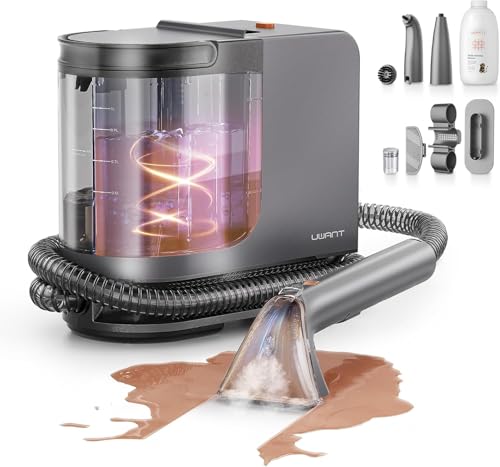
- Upholstery cleaning machine for microfiber couch
- Furniture cleaning brush set for microfiber sofa velvet


Before You Start
Clear the area of small items and place a protective sheet under the couch if you’re cleaning near carpeting. Vacuum thoroughly to remove loose dust and pet hair. Read manufacturer care labels on the cloud couch and avoid high heat or harsh solvents that can damage delicate fabrics. Estimate cleaning time at 60–120 minutes depending on stain severity and upholstery type.
Step-By-Step: How To Clean A Cloud Couch
- Inspect the care label to determine fabric type and recommended cleaners.
- Brush or vacuum to remove surface loose dirt and crumbs.
- Spot-treat stains with a fabric-safe cleaner or a diluted mild detergent solution.
- Use a portable upholstery steamer for gentle, even heat and moisture across the fabric.
- Gently work the cleaner into the fabric using a soft brush from cleaning kit to lift fibers.
- Rinse the area with a damp cloth to remove any cleaner residue; avoid soaking.
- Blot excess moisture with a clean towel and allow to air-dry completely.
- Once dry, lightly brush the fabric to restore nap for microfiber or velvet textures.
- Check for remaining spots; repeat treatment on stubborn stains with a fresh approach.
- Reassemble cushions and plump them to even out the surface after cleaning.
- Document any areas that require professional attention if stains persist.
- Schedule regular maintenance to prevent buildup and keep texture consistent.
Troubleshooting
| Symptom | Likely Cause | Fix | Prevention |
|---|---|---|---|
| Water marks appear | Over-wetting | Blot; allow to dry completely; re-clean with less moisture | Apply moisture in small sections |
| Fabrics feel stiff after drying | Residue from cleaner | Wipe with damp cloth to remove residue | Test cleaner and use minimal product |
| Fuzzing on microfiber | Abrasive brushing or harsh cleaners | Use soft brush and fabric-safe products | Avoid aggressive scrubbing |
| Color fade after cleaning | Sun exposure or strong cleaners | Limit sun exposure; use color-safe cleaners | Clean in shaded areas |
Common Mistakes
- Using too much liquid, which can seep into cushions and cause odors
- Not testing on a hidden area before full application
- Using stiff brushes that abrade delicate fibers
- Ignoring care labels, risking fabric damage
Tips For Best Results
- Perform a patch test in an inconspicuous spot before full-cleaning sessions.
- Choose cleaners labeled safe for microfiber or velvet fabrics.
- Work in a well-ventilated area to speed up drying and reduce lingering odors.
- Regular light maintenance prevents deep stains and keeps nap looking fresh.
- Keep a light, protective spray on velvet or microfiber if the fabric’s care label approves.
Call A Professional
Consider a professional for large, set-in stains, odors, or water damage that persists after home treatments. If the fabric shows color bleeding, structural damage, or if you notice dye transfer during cleaning, stop and consult a certified upholstery technician.
FAQ
Can I use household steam on a cloud couch?
Using a portable upholstery steamer designed for sofas fabric is generally safe when used with care and on appropriate fabrics.
Is microfiber easier to clean than velvet?
Microfiber tends to show stains less and cleans with gentler methods, while velvet requires careful handling to preserve nap and sheen.
How long does it take the couch to dry after cleaning?
Drying times vary by fabric and ventilation but typically range from 2 to 6 hours; ensure complete dryness before heavy use.
What should I do if cleaning makes the color uneven?
Test cleaners first, apply evenly, and consider a fabric color restorer or professional cleaning if uneven tones persist.
Buying Guide
When selecting products and equipment for cleaning a cloud couch, consider size, noise level, energy efficiency, controls, and placement. For steamers and upholstery machines, choose models compatible with microfiber and velvet fabrics and with adjustable temperature settings to protect delicate fibers. Noise levels matter in homes with shared living spaces, so look for quieter units with reasonable runtimes. Energy-efficient devices reduce running costs over time. Controls should be intuitive, with clear indicators for steam intensity and water level. Place cleaning equipment where it is easy to reach but away from kids and pets, and ensure the area has good airflow to facilitate quick drying. For ongoing maintenance, select a set of soft brushes and a fabric-safe cleaner tailored to microfiber and velvet textures. Finally, match tools to your couch’s specific fabric care guidelines to maximize results and preserve the cloud-like feel.
Leave a Reply