How to Clean a Glass Kettle for Sparkling, Safe Water
Glass kettles offer a clear view of mineral buildup and an elegant boil, but keeping them pristine requires a simple routine. This guide walks American users through safe, effective methods to descale and refresh glass kettles using consumer-friendly products and common household tools. By following these steps, users can extend the life of their kettle and enjoy better-tasting tea and coffee.
Quick Answer
What to do at a glance: Use a descaling method tailored for glass kettles, rinse thoroughly, and dry completely to prevent mineral rings. For stubborn buildup, try a dedicated descaling solution or kettle descaler tablets for glass kettles, then finish with a gentle brush and a thorough rinse.
What You’ll Need
- Descaling solution for electric kettle glass
- Kettle descaler tablets for glass kettle
- Electric kettle cleaning brush silicone bristle
- Clean soft cloths or microfiber towels
- Fresh water for rinsing
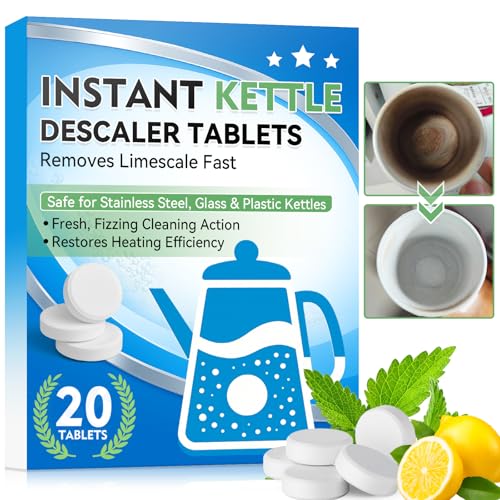

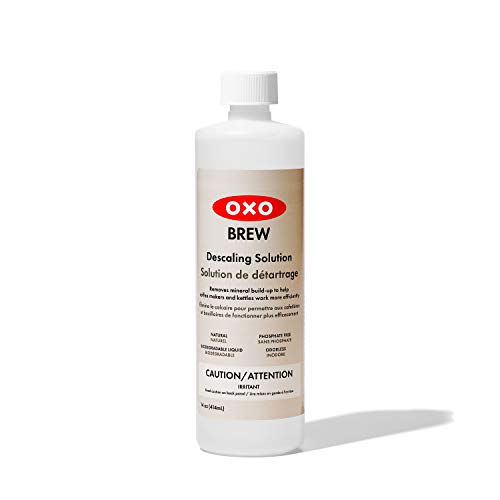
Before You Start
Ensure the kettle is unplugged and completely cool before handling. Read the user manual for any model-specific cautions. Use non-abrasive tools to avoid scratching the glass. Work in a well-ventilated area when using descaling solutions, and never mix cleaners with bleach or ammonia. Time estimates: 15–30 minutes for routine cleaning; up to 60 minutes for heavy scale removal.
Step-By-Step: How To Clean A Glass Kettle
- Pour out any remaining water and unplug the kettle if it’s cordless. Empty the interior completely.
- Fill the kettle with a descaling solution designed for glass models or with a mixture of water and citric acid as an alternative. Follow product directions for water-to-descaler ratios.
- Let the solution sit for the recommended dwell time to dissolve mineral deposits. For heavy buildup, allow 15–20 minutes.
- Boil the solution in the kettle, then turn it off and let it cool briefly. This helps lift stubborn scale from the walls.
- Carefully pour out the solution and rinse with clean water. Use the silicone bristle brush to gently scrub interior surfaces where deposits cling.
- Repeat a thorough rinse cycle with fresh water, boiling and discarding until the water runs clear and without off-odors.
- Wipe exterior surfaces with a damp cloth. Dry with a clean towel to prevent water spots on the glass.
- Inspect the lid and spout for mineral buildup and scrub lightly if needed. Reassemble the kettle after all parts are dry.
- Run a final sample boil with plain water to ensure no cleaning residues remain before using for beverages.
- Regular maintenance: perform a gentle clean monthly or as mineral levels dictate, especially in hard-water areas.
- Store and use filtered water if possible to minimize future scale. Always follow the manufacturer’s cleaning guidelines for best results.
Troubleshooting
| Symptom | Likely Cause | Fix | Prevention |
|---|---|---|---|
| Persistent white residue after cleaning | Residual minerals | Boil with fresh water and re-rinse; repeat if needed | Regular descaling every 4–8 weeks |
| Glass discoloration or cloudiness | Hard water scale | Use a descaling solution for glass kettles and brush gently | Water conditioning or softened water |
| Unusual odor after cleaning | Cleaner residue | Extra rinse cycle with plain water | Rinse thoroughly and air dry |
| Slow heating or noisy boil | Scale blocking the element | Deep descaling run with appropriate solution | Maintain regular cleaning schedule |
Common Mistakes
- Using abrasive sponges or stiff brushes that scratch glass surfaces
- Using bleach or ammonia-based cleaners on glass kettles
- Overfilling beyond the recommended water level during descaling
- Skipping thorough rinsing after descaling, leaving cleaning residues
Sticking to gentle tools and following manufacturer guidelines helps preserve clarity and performance.
Tips For Best Results
- Choose a descaling product formulated for glass kettles to avoid streaking and damage.
- Loosely cap the kettle during descaling if the model allows, to prevent pressure buildup.
- Use a silicone bristle brush to reach narrow corners and the spout without scratching.
- Schedule a routine monthly descaling if you live in areas with hard water.
- After cleaning, boil a full kettle of fresh water and discard to eliminate any cleaning odors.
Call A Professional
Contact a professional if the kettle shows cracks, persistent leakage, or if scale remains despite repeated descaling attempts. Stop using the kettle and consult the manufacturer’s support line or a qualified appliance technician when structural damage is suspected.
FAQ
Can I use vinegar to descale a glass kettle?
Vinegar can be effective, but it may leave odor or affect taste. If used, rinse thoroughly with multiple cycles of fresh water afterward.
Is it safe to boil water after using descaling tablets?
Yes, but ensure a thorough final rinse and at least one full boil of plain water to remove any residues.
How often should I descale a glass kettle?
In hard water areas, every 1–2 months is common; in softer water regions, every 3–4 months may suffice.
What tools are best for cleaning glass kettles?
A silicone bristle brush and non-abrasive cloths are ideal for interior and exterior care.
Are descaling tablets safe for all glass kettles?
Most tablets are formulated for glass kettles, but always verify compatibility with your model’s manual.
Should I remove the filter before cleaning?
Yes, if your model has a removable filter, clean it separately according to the manual.
What if the glass fogs after cleaning?
Rinse thoroughly and boil plain water to clear residues and restore clarity.
Buying Guide
When selecting descaling products and cleaning tools for a glass kettle, consider size, compatibility, and ease of use. Key buying factors include:
- <bDescaling solutions for glass kettles that are specifically labeled for glass models to prevent streaks and damage.
- <bKettle descaler tablets for glass kettle as a convenient, ready-to-use option for regular maintenance.
- <bElectric kettle cleaning brushes silicone bristle for safe interior cleaning without scratching.
- <bSafety and compatibility with your kettle’s material and design, plus clear usage instructions.
- <bEase of use including minimal dwell times and straightforward rinsing steps.
Other considerations include the hardness of your water, the frequency of use, and whether your kettle has a concealed heating element. For best results, match products to your model’s recommendations and your household needs. If you have a large family or high daily usage, a routine descaling schedule helps keep mineral buildup in check. Always store cleaning products in a cool, dry place away from children and pets.
Leave a Reply