How to Clean Breast Pump on the Go
Maintaining clean breast pump components while traveling or away from home helps protect your baby from potential contamination and keeps expressed milk safe. This guide provides practical steps, portable tools, and smart routines you can adopt during trips, visits, or long days out.
Quick Answer
Carry a travel cleaning kit, rinse pump parts with clean water when possible, use microwave sterilization bags for quick sanitizing, and clean surfaces before handling parts. Dry thoroughly and store parts in a clean, dry container between uses.
What You’ll Need
- Travel breast pump cleaning kit including brush and sanitizer wipes
- Portable breast pump parts brush set for on-the-go
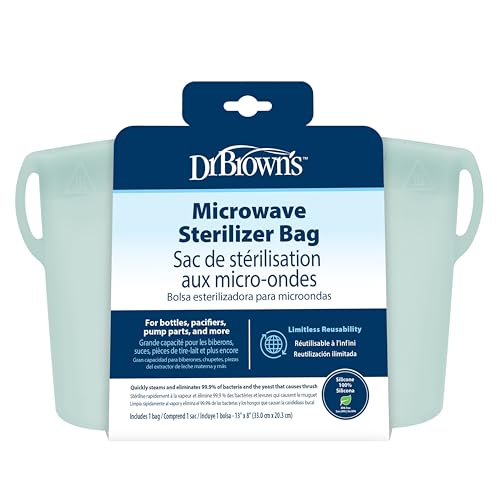
- Microwave sterilization bags for breast pump parts travel

Before You Start
Plan cleaning during break times or between feeds to minimize risk. Always wash hands before handling parts. If a surface is dirty, wipe it with a sanitizing wipe or rinse in clean water first. Time estimates vary by kit, but allow about 5–15 minutes for a quick clean in transit. Important: never soak membranes or valves in water for extended periods; they may wear faster. Store parts in a clean, dry place to prevent mildew or odor build-up.
Step-By-Step: How To Clean Breast Pump On The Go
- Disassemble the pump according to the manufacturer’s instructions and separate the bottle, flange, valve, and tubing where applicable.
- Rinse each part with clean, cool running water to remove milk residue, if possible. Do not use hot water that could damage silicone parts.
- Wipe surfaces with a travel-friendly sanitizing wipe, focusing on the valve area, flange edges, and bottle caps.
- Use the portable brush set to scrub hard-to-reach areas, including small crevices in valves and rims of bottles.
- Place non-electrical parts into a microwave sterilization bag with a bit of water as directed by the bag’s instructions.
- Microwave the bag as recommended to sanitize the parts while you wait in a safe area away from the microwave door.
- Let parts cool completely before handling to avoid burns and ensure no moisture remains where milk contacts will occur.
- Wipe dry with a clean cloth or allow air-drying on a clean surface; reassemble only after completely dry.
- Store all parts in a dedicated, clean container or zip pouch to maintain sanitation until the next use.
- Clean the exterior of the breast pump with a wipe or damp cloth, then dry before packing back into the travel bag.
- After returning home, run a full cleaning routine per your manufacturer’s guidelines.
- Keep a spare set of membranes or valves if possible to minimize downtime during travel.
Troubleshooting
| Symptom | Likely Cause | Fix | Prevention |
|---|---|---|---|
| Part still smells after cleaning | Milk residue lingering or moisture trapped | Re-clean with brush, use sanitizer wipe, and ensure complete dry time | Dry thoroughly; store in breathable container |
| Parts look cloudy after sterilization | Water residue or mineral buildup | Rinse with fresh water, dry completely | Use distilled water if available for rinsing |
| Valve or membrane feels stiff | Plastic degradation from heat or improper cleaning | Replace per manufacturer guidance | Avoid harsh cleaners and high heat |
| Microwave bag not sealing | Incorrect seal or overfilled bag | Follow bag instructions precisely; do not overload | Use only recommended bag sizes |
Common Mistakes
- Using hot water for rinsing, which can warp parts
- Leaving parts damp in closed bags or pockets
- Neglecting to clean tubing or hard-to-reach areas
- Assuming surfaces are clean without sanitizing in transit
Tips For Best Results
- Pre-pack a dedicated cleaning kit with spare parts and wipes for efficiency on the go
- Label storage containers to quickly identify parts for reassembly
- Keep a small towel or microfiber cloth to dry surfaces
- When possible, perform a full cleaning cycle after returning home to extend part life
Call A Professional
Seek professional help if you notice persistent odor, visible mold, or if you experience leakage during use. Stop using the pump and contact the manufacturer or a certified lactation consultant for guidance. Do not attempt to sanitize or reuse compromised components.
FAQ
How often should I clean the breast pump parts when away from home?
Clean after each use and do a more thorough clean at the end of the day or trip, depending on frequency of use.
Can I reuse microwave sterilization bags?
Most bags are single-use; check the product instructions and discard after a single use unless explicitly labeled reusable.
What should I do if I don’t have running water?
Rinse parts with bottled water when available and use sanitizing wipes; replace or dry thoroughly until you have access to water for a full rinse.
Is it safe to clean tubing in the field?
Tubing should be air-dried and inspected for cracks; if air exposure is insufficient, replace tubing to prevent mold and bacteria.
What if I forget a part?
Use a compatible spare part from your kit or substitute with a compatible item recommended by the manufacturer, and avoid using incompatible parts.
Buying Guide
When choosing gear to clean a breast pump on the go, consider size, portability, and how the kit integrates with your pump model. Look for compact cleaning kits and wipes that fit easily into a diaper bag. Noise level is not a concern here, but ease of use matters for busy parents. Consider energy or power needs only if you plan to adapt any electrical components in unfamiliar spaces. Focus on reliable sanitation options that fit your travel routine and ensure compatibility with your pump’s parts and materials.
Additional Buying Considerations
- Size and weight: Choose compact, travel-friendly tools that fit in a carry bag
- Compatibility: Ensure brushes and bags fit your pump’s parts and materials
- Sanitization method: Wipes, microwave bags, and brushes each serve different travel scenarios
- Durability: Look for rugged plastics and stainless steel brushes that resist wear
- Ease of cleaning: Tools with simple, labeled parts reduce the risk of reuse mistakes
Leave a Reply