How to Clean Skateboard Bearings
Maintaining clean, well-lubricated skateboard bearings is essential for a smooth ride and longer component life. This guide walks American riders through practical steps using common tools and safe practices to restore speed and reduce grinding noise.
Quick Answer
For quick results, remove the bearings from the trucks, wipe away visible grime, soak them briefly in solvent, dry thoroughly, then apply a suitable lubricant. If grime is stubborn, an ultrasonic cleaner can help; finish with a light oil or speed cream for optimal spin.
What You’ll Need
- Skateboard bearing cleaning kit with solvent and brushes
- Ultrasonic cleaner for skateboard bearings
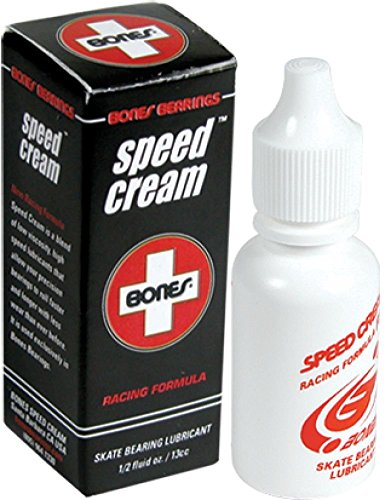
- Skateboard bearing lubricant kit (speed cream oil) and maintenance


Before You Start
Preparation minimizes mess and damage. Work on a clean, flat surface and have a small tray to hold bearings. Use gloves or hand protection if solvents are involved. Safety first: work in a well-ventilated area and avoid contact with skin and eyes. Time estimates vary: plan 30–60 minutes for a thorough cleaning, more if you’re disassembling multiple wheels.
Inspect bearings for wear. If balls are pitted or the shield comes off easily, consider replacing rather than cleaning. Clean bearings can spin freely, but damaged ones will fail quickly.
Step-By-Step: How To Clean Skateboard Bearings
- Remove wheels and carefully extract bearings from the axles using a bearing tool or a precise flathead screwdriver.
- Inspect shields and remove them if the design allows. Keep track of inner races and balls; take a photo if needed.
- Wipe loose dirt from the bearings with a clean cloth or paper towel, avoiding aggressive scrubbing that could scratch the races.
- Place bearings into the cleaning solvent from your kit. If using an ultrasonic cleaner, follow the machine’s instructions for duration and temperature.
- Rinse bearings with fresh solvent to remove loosened grime. Repeat if necessary until the liquid runs clear.
- Dry bearings thoroughly. Air-dry or use a lint-free cloth; ensure no moisture remains inside the shields or races before lubricating.
- Apply a thin layer of lubricant from the speed cream oil kit. Spin the bearings gently to distribute the oil evenly, then wipe away any excess.
- Reassemble the wheels, reinstall shields if they were removed, and test spin on the axle to confirm smooth operation. If resistance remains, repeat cleaning or consider replacing the bearings.
Troubleshooting
| Symptom | Likely Cause | Fix | Prevention |
|---|---|---|---|
| Bearings feel gritty after cleaning | Residual debris or incomplete drying | Re-clean and thoroughly dry; use the ultrasonic cleaner if available | Dry completely before lubrication |
| Noisy or rough spin | Insufficient lubrication or worn bearings | Re-lubricate or replace bearings | Regular lubrication and periodic replacement |
| Bearings seize after reassembly | Moisture or contaminants trapped | Disassemble and dry thoroughly; ensure clean environment when reassembling | Keep parts contamination-free during maintenance |
| Bearings spin slowly | Old grease or water ingress | Complete solvent bath and fresh lubrication | Seal bearings against moisture; avoid water exposure |
Common Mistakes
- Using too much lubricant, which slows spin and attracts dust
- Submerging bearings in solvent for too long, potentially loosening seals
- Not drying bearings fully, leading to corrosion or degraded performance
- Mixing different lubricants that aren’t compatible with bearing materials
Tips For Best Results
- Choose a solvent designed for bearings to avoid corrosion or swelling of seals.
- When using an ultrasonic cleaner, set a gentle cycle to prevent heat buildup on delicate components.
- Lubricate evenly by applying a drop to each ball race and spinning to distribute, then wipe excess.
- Keep bearing shields closed during use to minimize dust intrusion in real-world riding conditions.
- Schedule regular maintenance based on riding frequency, terrain, and weather exposure.
Call A Professional
Seek professional help if bearings show permanent damage, unusual grinding, or if you’re unsure about disassembly. Stop riding immediately if you notice grinding, heat buildup, or any crack in the bearing cage. A pro can replace bearings, seals, or advise on specialized lubrication suitable for your riding style and environment.
FAQ
How often should skateboard bearings be cleaned?
Frequency depends on usage and conditions, but a good baseline is every 3–6 months for regular riders and after exposure to water or dirt.
Can I reuse old lubricants after cleaning?
It’s best to use fresh lubricant to ensure consistent performance and prevent residual gunk from affecting spin.
Is an ultrasonic cleaner necessary for bearings?
No, but it can make cleaning more thorough, especially for stubborn grime or dense dust.
What’s the difference between oil and grease for bearings?
Oil provides fast, light lubrication suitable for newer bearings; grease lasts longer and protects in dusty or wet environments.
Buying Guide
Choosing the right parts and tools for skateboard bearing maintenance depends on several factors. Consider the size of your bearings and wheels (most skateboards use standard 608 bearings), the noise level you can tolerate, and how often you ride in dusty or wet conditions. Energy efficiency isn’t a typical concern for bearings, but smooth operation correlates with how well lubrication is chosen and applied. Look for a kit that includes a clean solvent and brushes for deburring, an ultrasonic option if you want deeper cleaning, and a reliable lubricant kit for ongoing maintenance. Controls, such as a simple spray or drop application, should match your comfort level. Finally, ensure the kit is suited to your storage space and travel needs, since portable solutions help keep bearings in peak condition between sessions.
Leave a Reply