How to Keep Ground Under Bird Feeders Clean
Bird lovers frequently place feeders to attract a variety of species, but spilled seed and messy ground under the feeder can create a maintenance headache. This guide outlines practical, effective steps to keep the area tidy while supporting healthy bird visits. By using simple tools and smart placement, you can minimize cleanup without disturbing the birds.
Quick Answer
Use a seed catcher tray, a ground seed spill mat, or a dedicated outdoor ground mat beneath the feeder to catch loose seed. Regularly rake or sweep debris, refill feeders promptly, and position the feeder to reduce runoff. A combination of a tray, mat, and routine maintenance delivers the best results for a clean, bird-friendly feeding area.
What You’ll Need
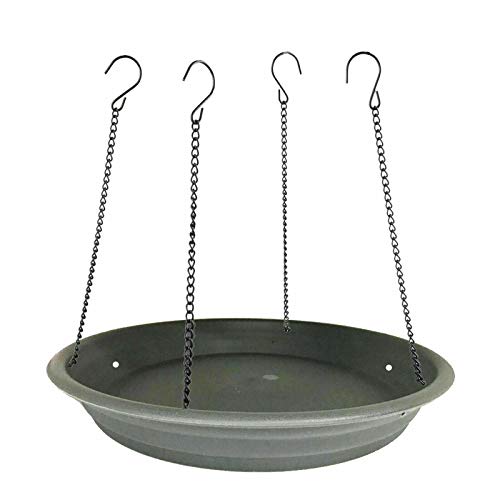
- Bird feeder seed catcher tray
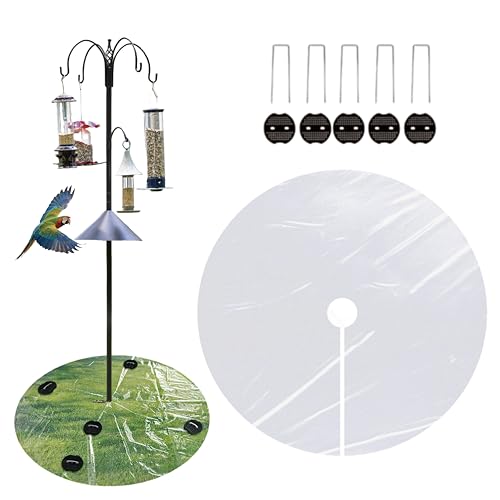
- Under feeder seed spill mat for birds
- Outdoor bird feeder ground mat / seed catcher
- All-purpose broom or handheld brush
- Plastic or metal dustpan
- Bucket of water or garden hose with spray nozzle
- Gardening gloves
- Optional: weatherproof storage bag for seeds and trays
Before You Start
Assess the feeding area for foot traffic, pets, and wind exposure. Choose a sturdy, easily cleanable surface under the feeder and ensure there is enough clearance for easy access during cleaning. Safety first: wear gloves when handling seed and cleaning tools, and keep cleaning supplies away from children and pets. Estimate cleaning time: typically 15–30 minutes per session, depending on seed spill levels and weather.
Step-By-Step: How To Keep Ground Clean Under Bird Feeders
- Place a bird feeder seed catcher tray directly beneath the feeder’s feeding port to intercept falling seed as birds feed.
- Set down an under feeder seed spill mat for birds on the ground to catch additional stray seed and droppings.
- Position an outdoor bird feeder ground mat / seed catcher around the feeder area to cover a larger footprint and simplify sweeping.
- Fill feeders carefully, using a slow, steady pour to minimize overflow and waste. Refill during calm weather to prevent seed from blowing away.
- Train a regular cleaning schedule: sweep the area at least once or twice a week and after strong winds or heavy activity.
- Sweep loose debris into a dustpan, then discard or compost safe seed scraps away from the bird bath or preferred plant beds.
- Rinse the ground area with water as needed, avoiding overwatering the soil, which can attract pests or mold growth.
- Inspect the seed catcher trays and mats for wear or damage. Replace them if they become cracked, torn, or overly stained.
- Consider elevating the feeder slightly with a stand to further reduce ground buildup and to improve seed catchment efficiency.
- Keep the area clear of decaying seed by promptly removing old or moldy grains and cleaning the surface beneath the mats.
- Winterize by adding a weatherproof cover for seed trays to protect against snow and rain, then resume routine cleaning when conditions permit.
- Store extra seed away from the cleaning area to prevent spillage and reduce attracting pests.
Troubleshooting
| Symptom | Likely Cause | Fix | Prevention |
|---|---|---|---|
| Seed accumulates quickly even with mats | High seed spill rate or large feeder | Use a larger surface area tray and a wider ground mat | Choose feeders with better seed containment |
| Seed mats become moldy after rain | Moisture retention in mats | Ensure mats are weatherproof and have drainage; dry promptly | Place mats where they drain and avoid overwatering nearby |
| Birds seem deterred | Disturbance near feeding area | Rearrange mats and ensure quiet, stable setup | Keep area calm during cleanup and avoid sudden movements |
| Pet or child exposure to seed | Accessible cleanup area | Use sealed storage and place mats away from play zones | Educate household members on seed handling |
| Accumulated debris attracts pests | Decaying seed nearby | Remove old seed promptly and maintain clean surroundings | Regularly inspect and rotate seed types |
Common Mistakes
- Forgetting to empty seed trays regularly—stagnant seed invites mold and pests.
- Overfilling feeders—causes overflow and waste beyond the mats.
- Using absorbent or porous materials that soak up moisture and harbor mold.
- Neglecting weather protection; rain can wash seed into soil or create muddy zones.
By avoiding these missteps, caregivers can keep the ground under bird feeders cleaner and healthier for both birds and yard visitors.
Tips For Best Results
- Pair a seed catcher tray with an under feeder seed spill mat for layered protection.
- Choose durable, easy-to-clean materials that withstand outdoor weather.
- Place mats on level ground to prevent seed from pooling in one spot.
- Use weatherproof storage for seeds to minimize accidental spills during handling.
- Schedule a quick weekly sweep regardless of season to prevent buildup.
Call A Professional
Most setups are maintenance tasks you can handle, but seek professional help if you notice persistent moldy seed, signs of pests beyond routine cleaning, or structural issues with the feeder itself. If you suspect disease in any wild birds due to contaminated seed, contact a local wildlife or extension service for guidance.
FAQ
Is a seed catcher tray necessary under every feeder?
It greatly reduces spillage and keeps ground clean, especially with larger or high-activity feeders.
How often should I clean the area under a bird feeder?
Weekly cleanings are typical; increase frequency during wet or windy periods.
What materials work best for ground mats?
Durable, weatherproof mats that resist mold and are easy to wipe or rinse perform best.
Can I compost spilled seeds?
Compost only clean, dry seeds that are free from mold or pests; discard questionable material with yard waste.
What if I see pests near the seed mats?
Remove spilled seed promptly; ensure a clean, dry area and consider using attractant-free seed blends.
Do I need to move feeders to keep ground clean?
Adjusting placement can help concentrate debris on mats and improve cleaning efficiency.
Buying Guide
When selecting products to keep the ground under bird feeders clean, consider several factors:
- Size and coverage: Choose a seed catcher tray and ground mat that align with your feeder’s footprint and your yard space. Bigger coverage reduces scattered seed and makes cleanup easier.
- Material quality: Look for weatherproof, UV-resistant materials that clean easily and resist mold. Durable options last through seasons.
- Ease of cleaning: Smooth surfaces with minimal grooves simplify brushing, rinsing, and drying between uses.
- Placement flexibility: Some mats are designed to wrap around or extend beyond the feeder to capture stray seed from multiple directions.
- Maintenance requirements: Minimal maintenance options save time; check for dishwasher-safe or easy-rinse materials if you prefer quick cleaning.
- Compatibility: Ensure accessories like seed catcher trays and mats fit your specific feeder model or standard sizes.
- Storage and organization: Consider weatherproof storage options for seeds and cleaning tools to prevent spills and pests.
- Cost vs. value: Durable, washable mats and trays may have higher upfront costs but reduce ongoing cleanup time and seed waste.
Would you like help selecting among popular options for your feeder type and yard layout? A quick assessment of feeder size, typical seed, and weather in your area can guide a smart match.
Leave a Reply