How to Clean Invisalign Aligners: Quick Guide
Invisalign aligners and retainers demand regular cleaning to maintain clarity, hygiene, and fit. This practical guide outlines safe methods, best tools, and simple routines that American users can follow at home to keep aligners fresh and effective.
Quick Answer
Clean daily with a gentle method to prevent cloudiness and bacteria buildup. Use mild, non-abrasive cleansers, dedicated cleaning tablets, or an ultrasonic cleaner designed for clear aligners. Rinse thoroughly and store in a clean case when not wearing them.
What You’ll Need
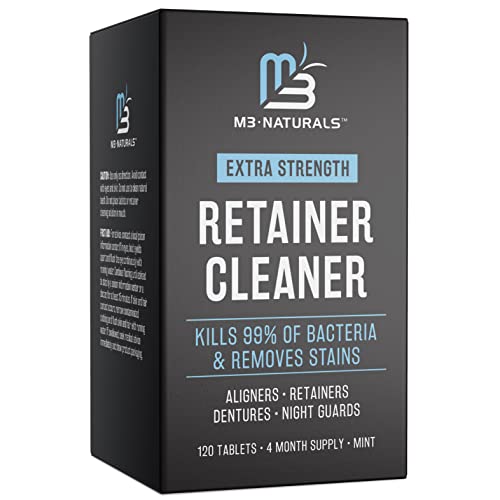
- Invisalign aligner cleaning tablets retainer cleaning 60 tablets
- ultrasonic cleaner for clear aligners Invisalign retainers
- aligner cleaning kit with denture brush case for Invisalign

Before You Start
Wash hands with soap and water before handling aligners. Brush teeth before reinserting to prevent trapping food particles. Use only enamel-safe cleaners; avoiding hot water, bleach, or colored tablets helps preserve material integrity. Plan for a daily 5–10 minute cleaning window and designate a dedicated, dry storage case to minimize contamination.
Critical cautions: avoid boiling or microwaving aligners, which can warp them. Do not use abrasive brushes or toothpaste that contains whitening agents. If you notice cracks, clouding that persists after cleaning, consult a professional rather than attempting DIY fixes.
Step-By-Step: How To Clean Invisalign Aligners
- Remove aligners and rinse under cool or lukewarm running water to remove loose debris.
- Fill a clean glass or container with lukewarm water; add one Invisalign cleaning tablet per package directions.
- Soak the aligners for the recommended time, typically 5–15 minutes, until bubbles subside.
- Gently brush the aligners with a denture brush or a soft-bristled brush using the provided aligner cleaning kit; avoid scrubbing hard to prevent scratches.
- Rinse thoroughly under cool water to remove cleaning residue.
- Inspect for film or residue; if needed, re-rinse or repeat soaking briefly without overdoing it.
- Let aligners air-dry in a clean area before placing back in the mouth or storing them in the case.
- Clean the storage case regularly with warm soapy water and allow it to dry completely before reuse.
- Repeat daily as part of a routine, ideally at the same time each day for consistency.
- For stubborn buildup, consider an ultrasonic cleaner designed for clear aligners as an alternative to tablet soaking.
- Avoid using hot water, which can warp aligners, and never add toothpaste to brushing routine for cleaning.
Troubleshooting
| Symptom | Likely Cause | Fix | Prevention |
|---|---|---|---|
| Cloudy or discolored aligners | Mineral deposits or inadequate rinse | Soak with cleaning tablets and rinse thoroughly | Rinse immediately after meals; don’t delay cleaning |
| Persistent film after cleaning | Residue from cleanser or brush | Brush with soft brush and rinse well | Use only recommended cleaners |
| Warping or misshapen trays | Hot water exposure or chemical damage | Use lukewarm water; avoid heat-based cleaners | Store properly in a case when not wearing |
| Unpleasant odor | Bacterial growth in case or trays | Clean case and trays daily; consider enzymatic cleaners | Dry case completely between uses |
Common Mistakes
- Using hot water, which can warp the aligners
- Brushing with abrasive toothpaste that scratches the surface
- Forgetting to rinse after cleaning, leaving residue behind
- Storing damp aligners in a closed case, promoting odor and bacteria
Staying consistent with a simple routine reduces buildup and keeps aligners comfortable and effective.
Tips For Best Results
- Choose a cleaning method that matches your lifestyle—tablet soaking, ultrasonic cleaning, or a dedicated kit with a denture brush.
- Set a daily reminder to clean at a convenient time, such as after breakfast or before bed.
- Rinse with cold or lukewarm water before and after meals to minimize staining.
- Inspect aligners weekly for chips, cracks, or wear and replace as advised by an orthodontist.
- Keep your cleaning products separate from foods and beverages to prevent cross-contamination.
Call A Professional
Seek professional advice if you notice persistent clouding, cracks, or material degradation, or if aligners no longer fit as designed. Contact your orthodontist or dental professional promptly for an assessment. If you experience persistent mouth irritation or unusual discomfort while wearing aligners, schedule a visit to confirm the fit and hygiene routine.
FAQ
Can I clean Invisalign aligners with regular toothpaste?
No. Regular toothpaste can be abrasive and scratch the aligners, making them harder to clean and less clear.
Is an ultrasonic cleaner safe for Invisalign?
Yes, ultrasonic cleaners designed for clear aligners can be effective, but follow the device’s instructions and the aligner manufacturer’s guidelines.
How often should I clean my aligners?
Daily cleaning is recommended, with a thorough cleaning after meals or snacks to prevent buildup.
What should I do if my aligners start to warp?
Stop wearing them and consult your orthodontist promptly for a replacement plan or adjustments.
Are cleaning tablets necessary?
Not strictly necessary, but they provide a convenient and effective way to maintain clarity and hygiene.
Can I store dirty aligners in a case?
Avoid storing dirty aligners; clean them before storage to prevent bacterial growth.
What is the best storage for Invisalign when not in use?
A clean, dry case that stays closed when not in use helps protect aligners from damage and contamination.
Buying Guide For Invisalign Cleaning
The right cleaning approach balances effectiveness, convenience, and material safety. When evaluating options, consider these factors:
Size and compatibility: Ensure the cleaning tablets, kit, or ultrasonic cleaner suits aligners and retainers. Look for products labeled safe for clear aligners.
Noise level and ease of use: Ultrasonic devices vary in noise; choose a model that fits your tolerance and daily routine.
Energy efficiency: If using an electronic cleaner, check energy use and standby features to minimize running costs.
Controls and timing: Simple timers or auto-cycle options help maintain consistent cleaning without overdoing it.
Placement: For shared bathrooms or small spaces, opt for compact designs or stackable storage to reduce clutter.
Safety: Look for BPA-free containers, non-abrasive brushes, and cleaners free of harsh chemicals that could degrade the plastic or irritate the mouth.
In practice, many users combine a gentle tablet soak with a quick rinse and a daily brush for best results. Consider your cleaning cadence, travel needs, and whether an ultrasonic option adds convenience without adding complexity. If you prefer a set-and-forget routine, a compact aligner cleaning kit with a denture brush can be a reliable baseline. Would you rather rely on a simple tablet soak or invest in an ultrasonic cleaner for occasional deep cleaning?
Leave a Reply