How to Clean an Acoustic Guitar Body
Regular maintenance helps preserve the finish and value of an acoustic guitar. Cleaning the body correctly removes fingerprints, oils, and dust without damaging delicate wood or lacquer finishes. This guide provides practical steps using safe products and common tools available in many households.
A well-maintained instrument not only looks better but also feels nicer to play. Follow these steps to keep the guitar’s spruce, mahogany, and other woods looking and sounding their best.
Quick Answer
Gently wipe the guitar body with a soft, dry microfiber cloth to remove dust. If needed, use a acoustic guitar body cleaner polish kit wood-safe with a light, even spray and a microfiber cloth. Avoid excess moisture, and never spray cleaners directly onto the guitar. Finish with a microfiber guitar polishing cloth set for acoustic guitar body to buff to a shine.
What You’ll Need
- acoustic guitar body cleaner polish kit wood-safe
- microfiber guitar polishing cloth set for acoustic guitar body
- stringed instrument finish cleaner for acoustic guitar spruce mahogany
- Soft, lint-free microfiber cloths
- Gentle cleaning solution (optional, labeled safe for wood finishes)
- Soft brush or air blower for dust in crevices
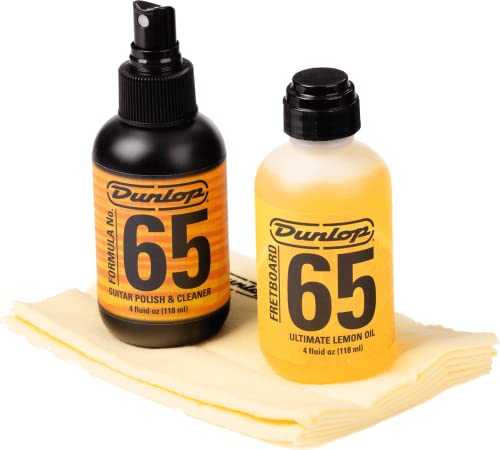 |
Jim Dunlop System 65 Body & Fingerboard Cleaning Kit (6503) | |
 |
Ernie Ball Instrument Polish with Microfiber Polish Cloth (P04222) | |
 |
MusicNomad MN100 Premium Guitar Cleaner for Acoustic & Electric, 4 oz |
Before You Start
Work in a well-lit, dust-free area. Remove the strap, pick, and any dust covers. Test cleaners on a small inconspicuous area first to ensure no discoloration or hazing occurs. Avoid household sprays, waxes, or silicone-based products that can build up over time. Allow the instrument to acclimate to room temperature if it’s recently played in extreme humidity. This process typically takes 5–15 minutes per session.
Step-By-Step: How To Clean Acoustic Guitar Body
- Place the guitar on a clean, padded surface with a protective cloth to prevent scratches.
- Use a dry microfiber cloth to remove surface dust from the entire body, paying attention to the top, back, and sides.
- If oils or smudges persist, lightly dampen a microfiber cloth with a stringed instrument finish cleaner for acoustic guitar spruce mahogany or a wood-safe cleaner. Wring well to avoid drips.
- Wipe in long, even strokes following the grain of the wood where visible. Do not scrub or apply heavy pressure on the finish.
- For stubborn fingerprints, re-wet a fresh cloth and gently re-wipe. Do not reuse cloths with ingrained residues from prior steps.
- Dry the surface with another clean, dry microfiber cloth to remove any remaining moisture or cleaner residue.
- Buff the surface with a soft polish cloth from the microfiber guitar polishing cloth set for acoustic guitar body to restore a subtle luster. Avoid circular motions that could create swirl marks.
- Inspect hardware areas (tuners, binding, and rosette) for dust. Use a soft brush or compressed air to clean these zones carefully, then wipe away any loosened debris.
Troubleshooting
| Symptom | Likely Cause | Fix | Prevention |
|---|---|---|---|
| White hazing after cleaning | Residual cleaner or wax buildup | Wipe again with a clean, dry cloth; avoid over-application | Use minimal cleaner and follow product instructions |
| Finish feels tacky | Excess moisture or incompatible cleaner | Dry with a clean cloth; switch to a water-free product | Test on small area first; never spray directly on the guitar |
| Scratches or swirl marks | Rough cloth or aggressive rubbing | Switch to a new microfiber cloth and gentle strokes | Keep cloths clean; use dedicated polishing cloths |
| Faded or blotchy spots after cleaning | Finish damage or solvent exposure | Avoid further solvent use; consult a professional if needed | Use only wood-safe products designed for guitar finishes |
Common Mistakes
- Cleaning with household cleaners not designed for guitar finishes
- Applying cleaners directly to the guitar body
- Over-wetting the surface or letting moisture pool near the binding
- Using rough or old cloths that can scratch the finish
- Neglecting the back and sides, allowing fingerprints to accumulate
Tips For Best Results
- Clean regularly with a dry cloth to reduce the need for liquids.
- Store the instrument away from direct sunlight and extreme humidity to maintain finish integrity.
- Use dedicated products designed for wood finishes and guitar bodies to avoid chemical reactions.
- Keep your polishing cloths clean and separate from dirty rags to prevent transfer of grit.
- Polish only the exterior wood surfaces; avoid the fretboard if it’s not intended for finishing products.
Call A Professional
Seek professional help if the guitar shows any of the following: deep scratches, hazy finishes that won’t buff out, cracks near joints, or suspected water damage. If you notice color changes or finish peeling after cleaning, a qualified luthier or guitar technician should assess the instrument to prevent further damage.
FAQ
Can I use wax or lemon oil on an acoustic guitar body?
These products are generally not recommended for bare wood finishes and can create residue or build-up. Use a product specifically labeled as safe for guitar finishes.
How often should I clean the guitar body?
Light, dry cleaning can be done weekly, with deeper cleaning every few months depending on use and environment.
Is it safe to spray cleaner directly on the guitar?
No. Spraying directly can oversaturate joints and bindings; apply to a cloth first.
What’s the best cloth to use?
Soft, lint-free microfiber cloths are ideal; use a separate polishing cloth for buffing.
Should I clean the neck and fretboard the same way?
Necks and fretboards often require different care; use lubricants and cleaners appropriate for the specific wood and finish.
Can cleaning void the guitar warranty?
Most cleaners labeled as safe for guitar finishes are warranty-approved, but always confirm with the manufacturer if in doubt.
Buying Guide
When choosing products for cleaning an acoustic guitar body, consider size, finish type, and wood composition. Choose a wood-safe formula that is compatible with spruce, mahogany, and other common tops and back woods. Look for a non-abrasive formula and no silicone or wax buildup that could interfere with future finishes or humidity balance. A dedicated acoustic guitar body cleaner polish kit provides both cleaner and a finishing cloth for convenient use. Ensure the kit includes microfiber cloths designed for delicate surfaces to minimize the risk of scratches.
In terms tools, a microfiber guitar polishing cloth set for acoustic guitar body offers the right balance of softness and absorbency for safe buffing. Consider a set that includes a soft brush or air blower for hard-to-reach areas around bindings and rosettes. If you have different woods (spruce top with mahogany back), ensure the cleaner is labeled safe for mixed finishes.
Placement matters as well. Clean in a well-lit area with stable temperature and humidity control. Avoid cleaning near heat sources or air vents that can cause rapid drying or wood cracking. For players with sensitive finishes, test any new product on a small, inconspicuous area before full use. By following these guidelines, guitarists can maintain a pristine body finish while preserving tonal integrity for years to come.
Leave a Reply