How to Clean Pee Out of a Car Seat
Pee in a car seat can be stubborn, especially on fabric upholstery. Quick action helps prevent stains and lingering odors. This guide walks through effective cleaning methods using common products designed for pet urine and fabric care.
Whether dealing with a child’s accident or a pet mishap, the right steps can restore your car’s interior. Follow the method below to lift moisture, neutralize odors, and protect the seat fabric from future damage.
Quick Answer
Blot up moisture, apply an enzyme cleaner designed for pet urine on car upholstery, and rinse. Allow the area to air-dry completely and repeat if odor persists. For stubborn stains, use a dedicated fabric seat stain remover spray and finish with a pet odor neutralizer to keep fabrics fresh.
What You’ll Need
- enzyme cleaner for pet urine car upholstery 16oz spray
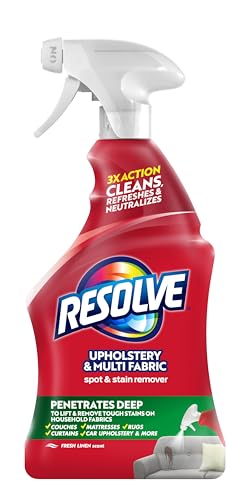
- car seat urine stain remover spray for fabric seats
- pet odor neutralizer for car seats spray 16oz fabric upholstery


Before You Start
Identify the affected area and check the seat’s care label for cleaning guidance. Act quickly to minimize staining and odor. Wear gloves and use a well-ventilated area while cleaning. Test cleaners on a hidden fabric patch first to ensure colorfastness. Time estimate: 30–60 minutes for initial cleaning, plus overnight drying if possible.
Step-By-Step: How To Clean Pee Out of a Car Seat
- Blot up excess liquid with paper towels or a clean cloth until no noticeable moisture remains.
- Lightly dampen the area with clean water to dilute remaining urine, then blot again to lift moisture.
- Generously apply the enzyme cleaner for pet urine car upholstery 16oz spray to the affected spot and surrounding area. Follow label directions for contact time.
- Gently agitate the fabric with a soft brush or cloth to help the cleaner penetrate fibers.
- Wipe away excess cleaner with a clean cloth and allow the surface to air-dry until just slightly damp.
- Apply the car seat urine stain remover spray for fabric seats to target any remaining stain. Let it sit as directed.
- Rinse lightly with a damp cloth, then blot thoroughly to remove cleaning residues.
- Spray the pet odor neutralizer for car seats spray 16oz fabric upholstery over the area to neutralize odor and prevent reactivation by moisture.
- Allow the seat to air-dry completely. If possible, keep windows cracked or use a fan to speed up drying.
- Inspect for odor; repeat treatments if necessary but avoid oversaturation that could damage foam padding.
- Vacuum the area once fully dry to lift fibers and remove residue; consider a light fabric protector after complete drying.
Troubleshooting
| Symptom | Likely Cause | Fix | Prevention |
|---|---|---|---|
| Faint odor remains after cleaning | Residual odor compounds | Repeat enzyme cleaner and odor neutralizer application | Act quickly; address spills promptly |
| Stains reappear after drying | Fabric fibers retained pigment | Use a dedicated stain remover spray with longer dwell time | Avoid over-wetting; test on hidden area first |
| Seat fabric feels stiff | Excess cleaning residue | Rinse thoroughly and blot dry; avoid heavy saturation | Use minimal moisture during cleaning |
| Color change on fabric | Strong cleaners incompatible with fabric | Test in a hidden area; switch products if needed | Always patch-test first |
Common Mistakes
- Using ammonia-based cleaners that react with urine odor
- Rubbing vigorously, which can spread stains deeper into fibers
- Over-saturating padding, delaying drying and encouraging mold
- Skipping a full dry time, which can lock in moisture
Tips For Best Results
- Work from the outside of the stain toward the center to prevent spreading.
- Apply cleaners in stages rather than soaking the fabric all at once.
- Always finish with a odor-neutralizing step to reduce reactivation by moisture.
- Consider a portable car seat cover to protect fabric from future accidents.
Call A Professional
Consider professional cleaning if indelible stains remain after multiple treatments, the odor persists after multiple deodorizing steps, or the seat has significant foam saturation. Seek help if you notice paint or dye bleed, or if the fabric shows long-term discoloration.
FAQ
Can I use household cleaner on car seats?
Household cleaners may leave residues or react with fabrics. Use products designed for pet urine and fabric upholstery for best results.
How long should the seat dry after cleaning?
Allow 4–12 hours for fabric to dry completely, or overnight in a well-ventilated space.
Will cleaning remove all odors?
Most odors improve with enzyme cleaners and odor neutralizers, but severe odors may require repeated treatments or professional cleaning.
Should I remove the car seat to clean it?
For most vehicles, spot-cleaning the fabric while in place is sufficient, but removing the seat can help with thorough access if needed.
Buying Guide
When selecting products to clean urine from car seats, consider these factors:
- Size and coverage: Look for spray bottles around 16 oz for convenient application and coverage of moderate stains.
- Odor control: Choose cleaners that include an odor neutralizer to prevent lingering smells.
- Fabric compatibility: Ensure the product is safe for car upholstery and fabric seats without bleaching or staining.
- Enzymatic action: Enzyme cleaners break down organic matter, improving stain removal and odor reduction.
- Drying time: Faster-drying formulas help minimize downtime and mold risk.
- Ease of use: Sprays with simple dwell times and clear directions reduce guesswork during cleaning.
- Surface safety: Test cleaners on a hidden area first to protect color and texture.
- Placement considerations: Keep cleaners away from heat vents and electronics; ensure good ventilation during use.
With the right products and a systematic approach, cleaning pee from a car seat becomes a manageable task. Ready to tackle the mess? Following these steps helps restore comfort and freshness to your vehicle’s interior.
Leave a Reply