How to Get Rid of Rust Stains in a Bathtub
Rust stains in a bathtub can be stubborn, but with the right approach, most surfaces restore their enamel glow. This guide walks American homeowners through practical steps, safe product choices, and time-saving tips to remove rust without damaging the finish.
Whether caused by mineral-rich water, metal fixtures, or accumulated residue, a methodical process helps prevent re-staining and keeps bathrooms looking fresh. The following sections offer clear, actionable instructions for quick results and long-term upkeep.
Quick Answer
Use a rust stain remover gel directly on affected areas, then gently scrub with a non-scratch brush. For tougher spots, a pumice stone can be used with care. Always rinse thoroughly and dry to prevent new staining.
What You’ll Need
- Rust stain remover gel designed for bathroom surfaces
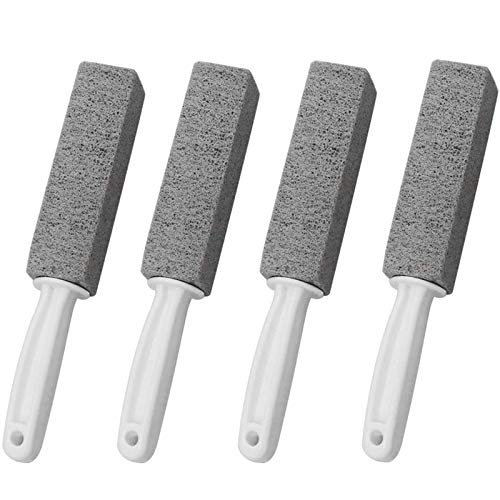
- Pumice stone for rust stain removal bathtub (use only on porcelain or untreated surfaces)
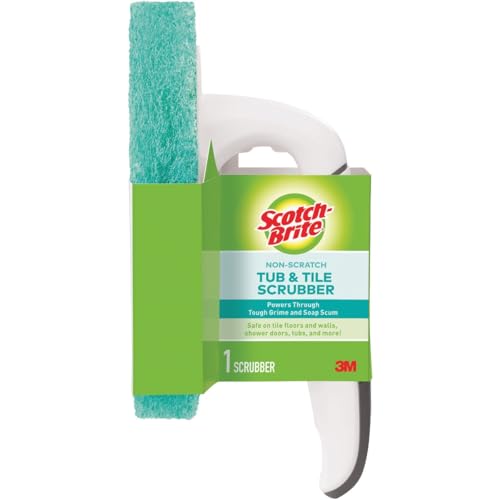
- Non-scratch scrub brush bathroom rust remover
- Protective gloves and eye protection
- Old towels or absorbent cloths

Before You Start
Check the bathtub finish: enamel or porcelain generally tolerates gentle abrasion, but corrodes can vary by manufacturer. Test a small, inconspicuous area first. Prepare the area by removing all bath items to allow full access. Work in a well-ventilated bathroom and wear gloves. Plan for a light cleaning routine and allocate 20–45 minutes per stain depending on severity. Do not mix rust removers with bleach or ammonia, which can release harmful gases and damage finishes.
Step-By-Step: How To Get Rid Of Rust Stains In A Bathtub
- Identify the stain and choose the method: gel remover for most cases; pumice stone only if recommended for your tub type and the stain is persistent.
- Apply a small amount of rust stain remover gel directly onto the stained area. Allow the formula to sit for the time specified by the product instructions.
- Using a non-scratch scrub brush bathroom rust remover, gently scrub the area in circular motions. Focus on the outer edges of the stain to avoid damaging enamel.
- Rinse with warm water and inspect. If the stain remains, reapply the gel and repeat the scrubbing process once or twice as needed.
- If you’re considering a pumice stone for stubborn spots, lightly buff the stain with a damp pumice stone in a horizontal motion. Do not press hard or scrub aggressively to protect the surface.
- Rinse thoroughly and dry with a clean cloth to prevent new staining from mineral residues.
- For persistent stains, repeat the sequence on a small area first to verify compatibility with your tub’s finish.
- Optional: after stain removal, apply a protective sealant or a daily preventive spray to minimize future rust marks from metal fixtures.
- Document the results and store products according to label directions to keep them effective for future use.
- Schedule a routine cleaning: a quick weekly wipe with a gentle cleaner can reduce mineral buildup that leads to rust stains.
- Keep metal fixtures well-maintained; consider coating exposed areas with a rust-inhibiting finish if allowed by the manufacturer.
- Dispose of leftover product according to local guidelines and never reuse containers for other chemicals.
Troubleshooting
| Symptom | Likely Cause | Fix | Prevention |
|---|---|---|---|
| Stain reappears after cleaning | Recurring mineral deposits | Install a water-softening system or wipe surfaces dry after use | Regular gentle cleaning and drying |
| Streaks or hazy film after rinse | Residue from cleaner | Rinse thoroughly, then wipe with a vinegar-water solution, and rinse again | Always rinse completely and dry |
| Discoloration or surface damage when using pumice | Surfaces not suitable for abrasion | Stop and switch to gel remover and soft brushes | Check manufacturer guidance before abrasion |
| Metal fixtures corroded near stain | Overuse of acidic products | Limit applications and apply rust-inhibiting sealant after cleaning | Follow label directions precisely |
Common Mistakes
- Not testing a small area before full application
- Using a hard scrub or aggressive pumice without confirming surface compatibility
- Mixing cleaning products with bleach or ammonia
- Overlooking dry maintenance, allowing mineral buildup to return
Being mindful of these common missteps helps preserve bathtub finish while effectively removing rust stains.
Tips For Best Results
- Apply rust remover gel to dry surfaces for better contact and faster action
- Work in short, controlled sessions to avoid over-scrubbing
- Pair rust removal with routine maintenance to slow future staining
- Use a dedicated non-scratch brush to protect enamel and avoid scratches
- Store products in a cool, dry place away from direct sunlight
Call A Professional
Consider professional help if stains are extensive, the tub finish is antique, or there is visible pitting or corrosion around fixtures. Seek a licensed technician for specialized refinishing or enamel restoration when household methods fail after multiple attempts. If you notice fumes, dizziness, or skin irritation during cleaning, stop immediately and contact a professional.
FAQ
What causes rust stains in a bathtub?
Rust stains typically come from mineral-rich water, corroded metal fixtures, or iron deposits that transfer onto the tub surface during use.
Are rust stain removers safe for porcelain and enamel tubs?
Most bathroom rust stain removers are formulated for enamel or porcelain, but always test a small area first and follow label directions closely.
Can I use a pumice stone every time?
Only use a pumice stone if the surface is porcelain and the manufacturer approves its use; otherwise, stick to gel removers and soft brushes.
How can I prevent rust stains in the future?
Regular cleaning, drying after baths, and addressing metallic fixtures or minerals in water can significantly reduce rust staining over time.
Is rust stain removal safe for freestanding bathtubs?
Yes, but verify the finish type and use gentler methods first to avoid surface damage.
Buying Guide
When selecting products to tackle rust stains, consider size, effectiveness, and compatibility with your tub finish. Look for a rust stain remover gel that explicitly states compatibility with enamel or porcelain. A pumice stone is useful for stubborn porcelain surfaces but should be used with care. A non-scratch scrub brush helps scrub without leaving scratches. Also, check for low-odor formulas and child- or pet-friendly options if needed. Assess placement and storage: keep cleaners away from direct heat and out of reach of children, and ensure easy access on laundry or bathroom shelves for quick touch-ups.
Key buying factors include:
- Surface compatibility: enamel, porcelain, or fiberglass—choose formulas labeled accordingly.
- Stain severity: gel-based removers for most stains; abrasive tools only with compatible surfaces.
- Noise and ease of use: simple sprays and gels are quieter and easier to apply than heavy buffers.
- Controls and availability: readily available at big-box retailers and online stores, with clear label instructions.
- Placement and storage: keep products out of reach of children and away from heat sources; store upright to prevent leaks.
With the right products and steps, rust stains in a bathtub can be managed effectively. The key is to start with less aggressive methods, adhere to safety guidelines, and maintain a routine cleaning schedule to prevent future staining.
Leave a Reply