How to Clean Fake Wood Cabinets: A Practical Guide for Laminate Surfaces
Fake wood or laminate cabinets can look like real wood but require different care to prevent dulling or warping. This guide explains a safe, effective approach to cleaning laminate cabinet surfaces using common and purpose-built products. Readers will learn step-by-step methods, troubleshooting tips, and best practices to keep cabinets looking fresh without damage.
Quick Answer
Use a gentle, non-abrasive laminate cabinet cleaner spray and a soft microfiber cloth to wipe down surfaces. For stubborn grease, apply a dedicated grease-cutting degreaser designed for laminated cabinet surfaces, then rinse with a damp cloth and dry with a clean microfiber towel.
What You’ll Need
- Laminate cabinet cleaner spray non-abrasive degreaser 24oz
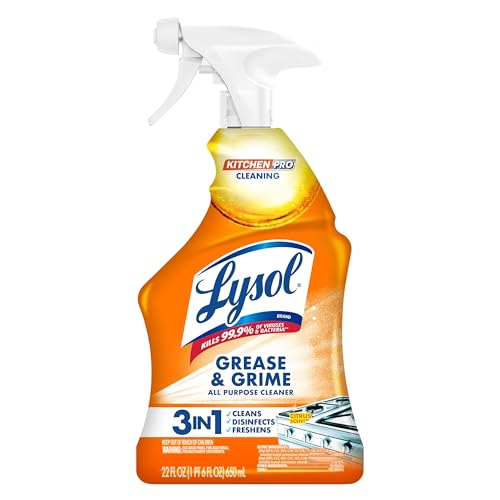
- Grease-cutting degreaser for laminated cabinet surfaces
- Microfiber cleaning cloths for kitchen cabinets cleaning kit
- Two clean, dry microfiber towels
- Water and mild dish soap (optional for light cleaning)

Before You Start
Clear the area around cabinets and protect nearby surfaces. Test any cleaner on a hidden spot before full use to ensure no discoloration. Work in the direction of the grain when possible to reduce streaks. Avoid abrasive pads, bleach, and highly alkaline cleaners as they can damage laminate finish. Time estimate: 20–40 minutes for a full kitchen run-through.
Step-By-Step: How To Clean Fake Wood Cabinets
- Dust the cabinet surfaces with a dry microfiber cloth to remove loose dirt and kitchen dust.
- Lightly mist the laminate cabinet cleaner spray non-abrasive degreaser onto a microfiber cloth, not directly onto the surface.
- Wipe doors, frames, and edges with even, gentle strokes. For stubborn spots, let the cleaner sit for 10–15 seconds before wiping.
- Apply a grease-cutting degreaser for laminated cabinet surfaces to a cloth for oily residues around hinges, handles, and apron edges.
- Rinse with a damp cloth to remove cleaner residue. Change cloths as needed to avoid spreading grime.
- Dry thoroughly with a second microfiber towel to prevent water marks and streaks.
- Wipe hardware separately to remove fingerprints and smudges, then return to cabinets once dry.
- Repeat periodic cleanings every few weeks or as needed to maintain sheen and reduce buildup.
- For severe buildup, consider a two-step approach: first degrease, then follow with a light laminate cleaner for finish refresh.
- Inspect for any peeling or damaged edges; touch up with appropriate laminate-safe products if needed.
- Store cleaners out of reach of children and pets when not in use; use well-ventilated areas during cleaning.
Troubleshooting
| Symptom | Likely Cause | Fix | Prevention |
|---|---|---|---|
| Streaks after cleaning | Residue or improper drying | Wipe with a damp cloth, then dry with a clean towel | Use minimal cleaner; dry promptly |
| Discoloration or dull finish | Harsh cleaner or abrasive pad | Switch to non-abrasive laminate cleaner and soft cloth | Avoid abrasive tools and bleach |
| Water marks around hinges | Excess moisture | Dry thoroughly and wipe edges with a dry cloth | Wipe up spills promptly |
| Sticky residue after degreaser | Insufficient rinsing | Rinse with a damp cloth until no residue remains | Rinse thoroughly after every degreasing |
| Peeling finish on seams | Extreme moisture or incompatible cleaners | Limit moisture and consult manufacturer guidance | Use products labeled for laminate cabinets |
Common Mistakes
- Using abrasive sponges or steel wool on laminate surfaces
- Over-wetting cabinets or soaking edges and trim
- Applying cleaners directly to surfaces instead of to cloth
- Neglecting to dry surfaces after cleaning, which can cause water spots
Tips For Best Results
- Dust regularly to reduce buildup and avoid deep cleaning too often.
- Keep one microfiber cloth dedicated to dirty areas (kitchen grime) and another for finishing (polished look).
- Choose a cleaner labeled for laminate cabinets and follow the product’s directions for best results.
- Test any cleaner in a hidden area first to confirm colorfastness.
- Work in small sections to maintain consistent results across all surfaces.
Call A Professional
Consider contacting a professional if you notice bubbling, peeling, severe staining, or if refinishing becomes necessary. Seek help promptly for any long-term damage, especially around joints or where the laminate is thin. If there is mold growth behind panels, reach out to a remediation expert rather than attempting DIY cleaning.
FAQ
Can I use soap and water on laminate cabinets?
Yes, a mild soap solution can be used for light cleaning, followed by thorough rinsing and drying.
Is it safe to use vinegar on laminate cabinets?
Vinegar can be used in small amounts but test on a hidden area first, as some finishes may react poorly.
How often should laminate cabinets be cleaned?
Light cleaning every 1–2 weeks and a deeper clean every 4–8 weeks is typical, depending on kitchen use.
What should I avoid when cleaning laminate cabinets?
Avoid abrasive pads, bleach, ammonia-based cleaners, and soaking edges or seams with excess liquid.
Buying Guide
When selecting products to clean fake wood or laminate cabinets, consider size, formula, and suitability for laminate surfaces. A spray-on laminate cabinet cleaner with a non-abrasive formula is convenient for routine maintenance, while a dedicated grease-cutting degreaser helps with tough grease near hinges and handles. A microfiber cleaning cloth kit provides gentle, lint-free wiping and reduces streaks. For best results, choose compatible products that advertise safe use on laminated surfaces and follow usage directions. If you have a high-gloss finish, you may want a cleaner formulated to preserve shine without leaving residue. Finally, ensure you have dedicated cloths and towels to avoid cross-contamination between dirty and finished surfaces.
Leave a Reply