How to Clean an Essential Oil Diffuser
Maintaining a clean essential oil diffuser ensures optimal mist output, preserves aroma quality, and extends the device’s life. Regular cleaning helps prevent residue buildup that can alter diffuser performance and scent. This guide provides a clear, step-by-step approach suitable for most households in the United States.
Whether you use a small personal diffuser or a larger unit, proper care is simple when you follow a routine. The steps below cover routine maintenance and quick fixes for common issues, so you can keep your diffuser ready for your next aromatherapy session.
Quick Answer
Best quick method: Run the diffuser with plain water for 5–10 minutes to loosen residue, then rinse and wipe with a microfiber cloth. Use diffuser cleaning tablets periodically to maintain performance and sanitize internal surfaces. Always unplug before cleaning.
What You’ll Need
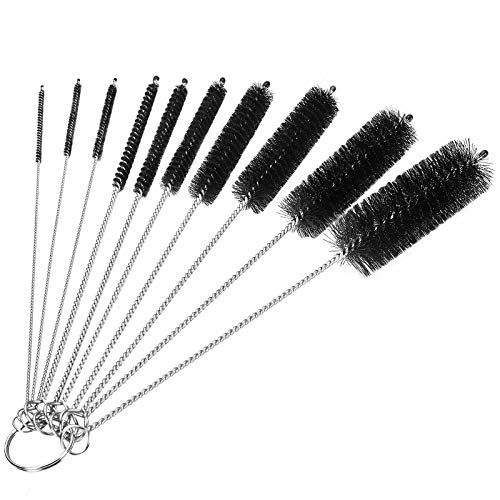
- essential oil diffuser cleaning brush set
- diffuser cleaning tablets for essential oil diffusers
- microfiber cloth for diffuser cleaning


Before You Start
Unplug the diffuser before beginning any cleaning. Remove any remaining oil from the reservoir and wipe the exterior with a damp cloth. Do not immerse the diffuser in water unless the manufacturer allows it. Prepare a clean, dry surface and allocate 15–30 minutes for thorough cleaning, depending on the model. If the diffuser has complex components or a glass reservoir, consult the user manual for disassembly instructions.
Step-By-Step: How To Clean An Essential Oil Diffuser
- Unplug and empty the tank. Gently pour out remaining oil into a sealable container and wipe the interior with a microfiber cloth.
- Rinse with water. Fill the reservoir with clean water and swish to loosen residue, then discard.
- Use a cleaning brush. Employ the essential oil diffuser cleaning brush set to scrub hard-to-reach corners and the ultrasonic plate if applicable.
- Apply a cleaning tablet (optional). Drop a diffuser cleaning tablets for essential oil diffusers into the water per package directions to sanitize and remove stubborn buildup.
- Rinse again. Empty the solution and rinse the reservoir with clean water until it runs clear.
- Dry and reassemble. Wipe all parts with a microfiber cloth for diffuser cleaning, allow to air-dry completely, then reassemble.
- Season the diffuser. Refill with fresh water (no oil) and run for 5–10 minutes to remove any remaining tablet scent before using essential oils again.
- Deep-clean schedule. Perform a thorough cleaning every two weeks with the diffuser in regular use, or monthly for light use.
- Inspect seals and nozzles. Check for cracks or worn seals; replace parts as needed according to the manufacturer’s guidance.
- Store properly. If not in use, empty the reservoir, clean, and store in a cool, dry place away from direct sunlight.
- Note variations by model. Some diffusers have separate detachable pieces or glass reservoirs; adapt the cleaning steps to your device’s design while avoiding immersion if prohibited by the manual.
- Use oils with care. After cleaning, resume use with your preferred essential oil blends, keeping an eye on scent intensity and any residue on the cloth to ensure cleanliness has been maintained.
Troubleshooting
| Symptom | Likely Cause | Fix | Prevention |
|---|---|---|---|
| No mist or weak mist | Clogged nozzle or residue buildup | Clean with brush; run cycle with water; use cleaning tablets periodically | Clean every 1–2 weeks during regular use |
| Unpleasant smell after cleaning | Residual oil or cleaning agents | Rinse thoroughly; run a water-only cycle | Use pure water during maintenance cycles |
| Bonnet or lid leaks | Improper seating or damaged seals | Check seals; reseat or replace damaged components | Follow manufacturer assembly guidelines |
| White film on reservoir | Mineral build-up from hard water | Use distilled water; perform deeper clean with tablets | Use distilled water for routine operation |
Common Mistakes
- Using essential oils directly in the cleaning cycle, which can leave residues
- Submerging parts that aren’t designed for immersion
- Skipping a full dry cycle after cleaning, which can trap moisture
- Ignoring the manufacturer’s cleaning recommendations, potentially voiding warranties
Tips For Best Results
- Establish a cleaning routine aligned with usage frequency to prevent buildup.
- Label reservoirs and keep oils separate to avoid cross-contamination of scents.
- Use the microfiber cloth to wipe exterior surfaces after each refill to maintain a pristine look.
- For stubborn residue, repeat the cleaning process or run a longer water-only cycle.
- Keep spare parts, like seals, on hand to minimize downtime if replacements are needed.
Call A Professional
Stop signs for professional help include persistent leakage after reassembly, persistent unusual odors after cleaning, or if the diffuser fails to operate even after steps above. If internal components appear damaged or disassembled incorrectly, consult the manufacturer’s support or a qualified technician for inspection and repair.
FAQ
Can I clean my diffuser with soap and water?
Yes, light, non-fragrant soap can be used to wipe exterior surfaces; avoid getting soap inside the reservoir and ultrasonic plate.
How often should I clean an essential oil diffuser?
Clean the reservoir every 1–2 weeks with regular use and perform a deeper cleanse every 1–2 months or as needed.
Are diffuser cleaning tablets safe for all models?
Most diffusers are compatible with cleaning tablets, but always check the user manual before use.
What should I do if the diffuser still smells after cleaning?
Rinse thoroughly, run a tablet cycle, and use distilled water to minimize mineral residues; consider changing the oil blend to ensure freshness.
Buying Guide
Choosing the right diffuser involves several factors beyond cleaning. Consider the size of the space, noise level during operation, energy efficiency, and ease of cleaning when evaluating models. Placement matters; place the diffuser on a stable surface away from direct sunlight and heat sources. Look for a model with a straightforward disassembly process for cleaning, good seal design to prevent leaks, and availability of replacement parts. For households using multiple oils, select a diffuser with a wider reservoir or multi-unit capability to simplify ongoing maintenance. If you frequently move the device, prioritize a compact form factor and durable materials. Assess whether the diffuser supports cleaning tablets, which can simplify routine upkeep, and ensure compatibility with your preferred essential oil blends. A model that balances low noise with adequate mist output tends to provide a better user experience in bedrooms and workspaces.
Leave a Reply