How to Clean a Plush Rug: Easy Guide for Busy American Homes
Plush rugs bring warmth and comfort to living spaces, but their deep pile can trap dirt, spills, and odors. This practical guide walks through safe, effective methods to refresh plush rugs using common household tools and targeted cleaning devices. Readers will learn a step-by-step process, common issues, and when to call in a professional.
With the right approach, a plush rug can look nearly new without damaging fibers or color. The advice below emphasizes gentle methods, suitable cleaners, and tools designed for plush textures.
Quick Answer
For most plush rugs, start with regular vacuuming using an upright vacuum cleaner with a soft brush roll, then spot-clean spills immediately. For deeper cleaning, use a shampooer or carpet cleaner machine for plush rugs, and consider a portable carpet extractor for targeted areas. Always test a hidden spot first and follow manufacturer care labels.
What You’ll Need
- Upright vacuum cleaner with soft brush roll for plush rugs
- Carpet cleaner machine for plush rugs shampooer
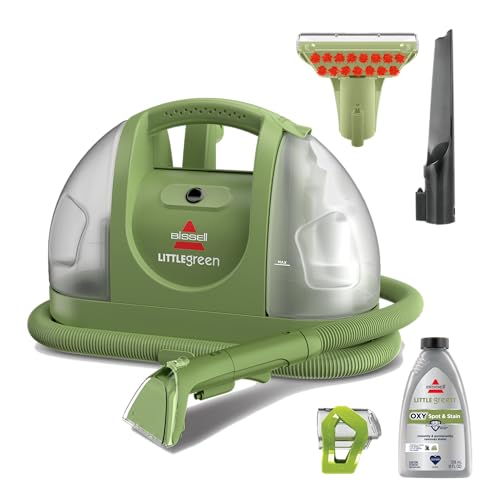
- Portable carpet extractor for plush rugs
- Soft microfiber cloths or towels
- Mild cleaning solution approved for rugs
- Clean water and a spray bottle
- Optional stain remover designed for fabrics


Before You Start
Prepare the space by moving furniture and laying down a protective mat. Vacuum thoroughly to remove loose dirt before deep cleaning. Check care labels on the rug for fiber type and cleaning restrictions. Test any cleaning solution on a hidden corner to confirm colorfastness. Allow ample drying time to prevent mold and mildew. Typical drying ranges from several hours to a full day, depending on rug thickness and ambient airflow.
Safety notes: avoid excessive water on the rug, especially with delicate fibers. If the backing shows wear or the rug is vintage, consider professional cleaning. Always unplug electrical devices when switching cleaning modes or moving equipment.
Step-By-Step: How To Clean A Plush Rug
- Remove loose dirt with a vacuum using a soft brush roll, going with the pile direction to lift fibers.
- Address spills immediately with blotting from the outside edge toward the center using a microfiber cloth; avoid rubbing.
- Mix a mild cleaning solution with water according to label instructions, and lightly mist the area to prevent soaking.
- For light soil, use the upright vacuum cleaner with soft brush roll to lift embedded dirt after applying a light cleaning spray.
- If deeper cleaning is needed, use a carpet cleaner machine for plush rugs shampooer on a low-moisture setting, following the user manual.
- For stubborn stains, apply a small amount of stain remover and blot gently; never saturate the fibers.
- Rinse the treated area with clean water to remove cleaning residue, then blot dry with towels.
- Use a portable carpet extractor for plush rugs for areas requiring more suction and faster extraction of moisture.
- Let the rug air-dry completely before replacing furniture; use fans or a dehumidifier to speed up drying.
- Once dry, vacuum again with a soft brush to restore the pile and remove any compacted fibers.
- Inspect for missed spots and repeat light cleaning if necessary, avoiding over-wetting in one pass.
Troubleshooting
| Symptom | Likely Cause | Fix | Prevention |
|---|---|---|---|
| Fibers look dull after cleaning | Residue buildup | Rinse area and vacuum thoroughly | Use minimal cleaning solution; avoid saturating |
| Stains persist after shampooing | Stain has set or is colorfast issue | Use a targeted stain remover and re-treat | Test spot first; act quickly on spills |
| Back of rug shows dampness | Over-wetting | Increase airflow; place fans; recheck drying | Dry in a well-ventilated area |
| Pile looks matted | Heavy soil and wear | Light brushing with a clean, soft-bristled tool | Regular vacuuming to prevent buildup |
Common Mistakes
- Over-wetting plush fibers, which extends drying time and risks mold
- Rubbing stains aggressively, causing fiber damage
- Ignoring care labels, leading to color fading or fiber harm
- Using harsh cleaners not suited for rugs
Tips For Best Results
- Vacuum regularly with the soft brush setting to prevent deep soil from embedding
- Spot-clean spills promptly to avoid setting stains
- Test any cleaning product on a hidden corner first
- Desire quicker drying? Increase ventilation or use a dehumidifier during and after cleaning
- Rotate the rug occasionally to wear evenly and preserve appearance
Call A Professional
Consider a pro if the rug is aged, heavily soiled, or shows color bleeding. Stop and seek help if you notice backing deterioration, persistent odors, or if the rug has delicate materials such as silk or antique dyes. Professional cleaners can provide deep cleaning, color-safe treatment, and fiber-specific care that home methods may not achieve.
FAQ
Can I use a regular household vacuum on a plush rug?
Yes, but use a model with a soft brush roll and avoid high suction that may damage fibers.
How often should I deep-clean a plush rug?
Deep cleaning every 12–18 months is common for high-traffic areas; adjust based on soil and use.
What’s the best method for pet messes on plush rugs?
Blot first, then treat with a pet-safe cleaner and rinse; avoid ammonia-based products that can attract pets back to the spot.
Is steam cleaning safe for plush rugs?
Steam cleaning can be effective if the rug and backing tolerate moisture; use a low-moisture setting and test first.
How long should I wait before walking on the rug after cleaning?
Wait until fully dry, which can take several hours to a full day depending on conditions.
Should I use a carpet cleaner on all plush rugs?
Only if the rug’s care label allows it and the fibers are suited to machine cleaning.
Can I clean a plush rug with white vinegar?
Vinegar can be used in small amounts on synthetic fibers, but test first and avoid overuse on sensitive dyes.
Buying Guide
Choosing the right cleaning approach for a plush rug involves several factors. Consider size, pile height, and traffic to determine whether regular vacuuming suffices or a deeper clean is necessary. Noise level and energy efficiency matter for machines used in living spaces. Look for controls that offer low-moisture options and a gentle brush system to protect plush fibers. Placement within rooms should minimize moisture exposure to walls and furniture, and ensure adequate drying space. When comparing options, evaluate how each tool handles plush textures, ease of use, and maintenance needs to balance performance with ongoing care.
Leave a Reply