How to Get Rid of Soil Gnats in Indoor Plants
Soil gnats, also known as fungus gnats, are a common nuisance for indoor gardeners. They thrive in moist potting mixes and can be persistent if not addressed. This guide provides practical, step-by-step methods to reduce adult gnats, eradicate larvae in the soil, and prevent future infestations.
Quick Answer
Target moisture, trap adults, treat the soil, and monitor patiently. Use yellow sticky traps to catch adults, apply food-grade diatomaceous earth to the topsoil, spray houseplants with neem oil, and let the soil dry between waterings to disrupt the gnats’ life cycle.
A Clear Plan: What You’ll Need
The following tools and materials will help you tackle soil gnats effectively. Gather these before starting to streamline the process.
- Yellow sticky traps for fungus gnats indoor plants
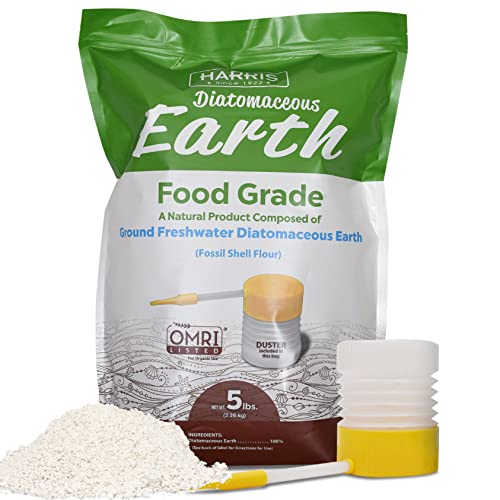
- Diatomaceous earth food grade 5 lb for fungus gnats
- Neem oil spray for houseplants fungus gnats
- Watering can with a narrow spout
- Plastic sheet or tray to catch excess water
- Gloves and a small brush for soil disturbance


Before You Start
Before beginning, assess which plants are affected and gather your supplies. Safety first: avoid over-watering and use protective gloves when handling soil. Inspect repotting needs and prepare a clean workspace. Time estimates vary: a single session can take 30–60 minutes, but full control often requires a few weeks of consistent effort.
Step-By-Step: How To Get Rid Of Soil Gnats In Indoor Plants
- Identify affected plants by looking for tiny black gnats near the soil surface and on the container rims.
- Replace or refresh the top inch of potting soil for heavily infested pots using clean, fresh mix.
- Sprinkle diatomaceous earth on the surface to create a physical barrier that damages larvae as they move through the soil.
- Set up yellow sticky traps near the plants’ pots to trap adult gnats and monitor population trends.
- Water with caution, allowing the soil to dry out between waterings to disrupt the gnats’ life cycle.
- Apply neem oil spray to the soil surface and the undersides of plant leaves to suppress larval development and adult activity.
- Rotate and inspect watering routines, avoiding overwatering and soggy soil for new plants as a preventive measure.
- Isolate severely affected plants to prevent spread to healthy specimens during treatment.
- Reinforce monitoring with sticky traps and soil checks every 1–2 weeks for consistency.
- If gnats persist, consider repotting the plant in fresh soil and a clean pot to break remaining larvae’s habitat.
- Continue light, regular maintenance: consistent drainage, reduced moisture, and continued use of traps for several weeks.
- Evaluate results and adjust as needed, repeating steps 2–3 for persistent cases.
Troubleshooting
| Symptom | Likely Cause | Fix | Prevention |
|---|---|---|---|
| Continual adult gnats after treatment | Moist soil and undetected larvae | Increase soil drying interval and reapply neem oil | Water sparingly and use top-dressings like diatomaceous earth |
| Yellowing leaves despite treatment | Overwatering or nutrient imbalance | Adjust watering schedule; test soil and feed lightly | Use well-draining soil; avoid standing water |
| Gnats return after a week | Reinfestation from nearby plants | Treat all nearby susceptible plants | Isolate new plants and quarantine for a few weeks |
Common Mistakes
- Overwatering that keeps soil constantly moist, feeding larvae
- Using traps without addressing the soil habitat
- Failing to replace contaminated topsoil during repotting
- Relying on a single method instead of an integrated approach
Tips For Best Results
- Pair yellow sticky traps with regular soil inspections for early detection
- Apply diatomaceous earth only to the top layer and reapply after watering
- Space out repotting to minimize plant stress while removing infested soil
- Label each plant’s treatment progress to stay organized
- Keep a consistent schedule for neem oil applications to maximize effect
Call A Professional
Consider consulting a professional if:
- The infestation is widespread across many plants and refuses to decline after several weeks of treatment
- Plants display severe stress or damage that threatens their survival
- There is uncertainty about pesticide use in homes with children or pets
FAQ
What are soil gnats and why are they a problem?
Soil gnats are small flying insects whose larvae live in moist potting soil, feeding on organic matter and roots. They can slow plant growth and spread if not controlled.
How often should I use neem oil on houseplants?
Apply every 7–14 days during active infestations, then reduce frequency to maintenance levels once gnats decline.
Is diatomaceous earth safe for indoor use?
Yes, food-grade diatomaceous earth is safe when used as directed. Wear a mask to avoid inhalation during application.
Will yellow sticky traps harm my plants?
No, they are non-toxic and help you monitor and reduce adult gnats without affecting plant health.
Buying Guide
When choosing products to combat soil gnats, consider size, effectiveness, and compatibility with your plants. Key factors include:
- Size and surface area: Larger pots require more surface coverage for diatomaceous earth and traps.
- Noise and maintenance: Sticky traps are silent and low-maintenance; neem oil sprays require regular reapplication.
- Energy and environmental considerations: Manual traps and soil amendments have minimal energy use; prefer food-grade options for safety.
- Controls and application: Follow label directions for neem oil and diatomaceous earth; avoid applying in direct sunlight on hot days.
- Placement and coverage: Place traps near plant bases and in the surrounding area to catch dispersing adults.
For a comprehensive approach, a combination of yellow sticky traps, diatomaceous earth, neem oil, and mindful watering provides the best odds of long-term control. If you are unsure about any step, consult product guidelines or a professional for tailored advice.
Leave a Reply