How to Clean a Whirlpool Cabrio Washer
Regular cleaning of a Whirlpool Cabrio washer helps maintain performance, prevent odor buildup, and extend the appliance’s life. This guide provides a practical, step-by-step approach using common cleaning tools and safe cleaners designed for laundry machines.
Quick Answer
For routine maintenance, run a hot wash with an appliance cleaner tablet or a concentrated washing-machine-safe cleaner, followed by a quick cold rinse. Clean the gaskets and filters with a tub brush to remove residue and lint, and wipe the door seal after each use to prevent mildew.
What You’ll Need
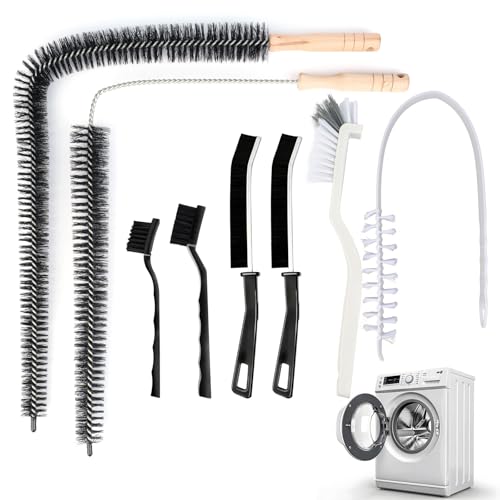
- Whirlpool Cabrio washer cleaning kit
- Washing machine tub cleaning brush set
- Appliance cleaner tablets for washing machine


Before You Start
Before beginning, unplug the washer and ensure the drum is empty. Check the literature for any model-specific cautions, especially around hot water use and belt access. Plan for about 60–90 minutes for a thorough cleaning. Keep hands and face away from hot water and cleaning agents and ventilate the laundry area during use. If a strong odor or visible mold persists, repeat the cleaning cycle or consult a technician.
Step-By-Step: How To Clean A Whirlpool Cabrio Washer
- Remove and inspect the detergent dispenser. Rinse under warm water to remove detergent residue and fabric softener buildup.
- Fill the detergent drawer with an appliance cleaner tablet designed for washing machines and select the hottest, longest wash cycle available.
- Run an empty hot-water cycle to dissolve residues in the drum and hoses. Pause the cycle halfway to add extra cleaner if needed.
- While the machine is filling, use the tub cleaning brush set to scrub around the drum lip, the door opening, and any visible residue in crevices.
- Wipe the door seal with a damp cloth, paying attention to folds where mold can hide. Use the brush to dislodge dirt and wipe dry afterwards.
- Once the cycle completes, run a second rinse cycle with only water to remove leftover cleaner from the drum and seals.
- Inspect the lint filter or screen (if applicable on Cabrio models) and remove any collected debris.
- Leave the door or lid open for a while to air dry the drum and seal, reducing the chance of mildew development.
- For ongoing maintenance, run a monthly cleaning cycle using a tablet or recommended cleaner, and wipe down surfaces after each use.
- Document any persistent odors or leaks. If odors return after cleaning, consider deeper cleaning or professional inspection for mold or gasket damage.
- Replace any worn hoses or worn seals as needed, following manufacturer instructions or a technician’s guidance.
Troubleshooting
| Symptom | Likely Cause | Fix | Prevention |
|---|---|---|---|
| Mildew or musty smell | Stale water in drum or gasket | Run a hot cleaning cycle; clean door seal and dispenser | Keep door ajar after use; periodic cleaning |
| Detergent dispenser residue | Detergent buildup | Soak and scrub dispenser; use less detergent | Use recommended amounts; hot-water flush |
| Drum not rotating or noise | Residue in drum or belt issues | Clean drum interior; check belt and pulleys; call a pro if needed | Regular cleaning; address leaks promptly |
| Water leaks | Worn hoses or seals | Inspect and replace worn components | Inspect hoses yearly; replace aging parts |
| Clogged filter or screen | Lint or fabric fibers | Remove and clean filter | Use high-efficiency loads; don’t overload |
Common Mistakes
- Using household bleach too aggressively—it can damage seals or affect color balance in fabrics.
- Overlooking the door seal folds where mold hides; failure to clean these areas leads to recurring odors.
- Skipping the rinse cycle after cleaning, leaving cleaner residues in the drum.
- Cleaning with incompatible cleaners that can foam excessively or release unpleasant fumes.
Tips For Best Results
- Schedule a routine cleaning every 1–3 months depending on usage and water quality.
- Use a tub brush set to reach gaps around the drum and door seal for thorough removal of residue.
- Run the washer on a hot cycle with a dedicated appliance cleaner tablet for best results with mineral buildup.
- Keep the washer slightly ajar after cycles to improve air circulation and prevent moisture buildup.
- Choose a cleaning tablet or cleaner that is specifically labeled safe for washing machines and your Cabrio model.
Call A Professional
Consider professional service if there is persistent mold that does not respond to cleaning, repeated leaks, unusual noises, or water pooling beneath the unit. Stop using the washer if electrical components appear damaged or if there is a strong burning smell. Seek immediate help for gas or electrical hazards, or significant hose or hose fittings issues.
FAQ
How often should I clean a Whirlpool Cabrio washer?
Most households benefit from a cleaning cycle every 1–3 months, depending on usage and water hardness.
Can I use household cleaners in my Cabrio washer?
Only use cleaners designed for washing machines to avoid residue and damage to seals.
What if the odor stays after cleaning?
Re-run the cleaning cycle, clean the door seal, and consider deeper mold remediation or professional inspection.
Should I leave the door open after washing?
Yes, leaving the door ajar helps air dry the drum and reduces moisture-related odor.
Are there model-specific steps for Cabrio washers?
Check the user manual for model-specific cautions about cycles, dispenser removal, and hose access.
What maintenance helps prevent buildup?
Regularly cleaning the dispenser, tub, and door seal, and using the recommended cleaner, minimizes buildup.
When should I replace hoses?
Inspect hoses annually and replace worn or cracked hoses promptly to prevent leaks.
Buying Guide
When selecting cleaning supplies for a Whirlpool Cabrio washer, consider size and compatibility with the model, odor control and residue-free formulas, and ease of use. Key buying factors include:
- Size and compatibility: Ensure the cleaning kit and brush set fit your Cabrio model and dispenser dimensions.
- Noise level: While cleaning, a quieter kit is convenient, though it does not directly affect cleaning efficacy.
- Energy and water considerations: Look for cleaners that require minimal running time and avoid excess hot water use when unnecessary.
- Controls and indicators: Some products come with simple tablet formats that work without disassembly.
- Placement and storage: Choose compact kits easy to store in a laundry cabinet with clear instructions.
For best results, pair a dedicated appliance cleaner tablet with a tub cleaning brush set and a safe dispenser-cleaning routine. Consider the overall maintenance plan for your laundry space, balancing routine cleaning with occasional professional checks when needed. If unsure about a product’s compatibility with a Whirlpool Cabrio, consult manufacturer guidelines or customer support.
Leave a Reply