How to Clean Grout Off Glass Mosaic Tiles
Glass mosaic tiles bring bright, reflective surfaces to kitchens, bathrooms, and backsplashes. Grout lines can collect soap scum, mineral deposits, and dirt, making the tiles look dull. This guide explains a careful, step-by-step approach to removing grout residue from glass mosaic tiles without scratching or damaging the glass.
Quick Answer
Use a gentle grout remover method tailored for glass. Start with a plastic scraper to lift loose grout, then apply a non-acidic, pH-balanced cleaner and a soft-bristle brush. For stubborn buildup, employ a carbide-tipped grout removal tool or a grout saw with care, testing on a small area first. Rinse thoroughly and seal only after the grout is completely dry. Avoid high-abrasion pads or acidic cleaners near glass surfaces.
What You’ll Need
- Electric grout removal tool carbide tip for tile grout
- Grout saw with carbide blade tile removal
- Razor scraper for grout removal glass tile


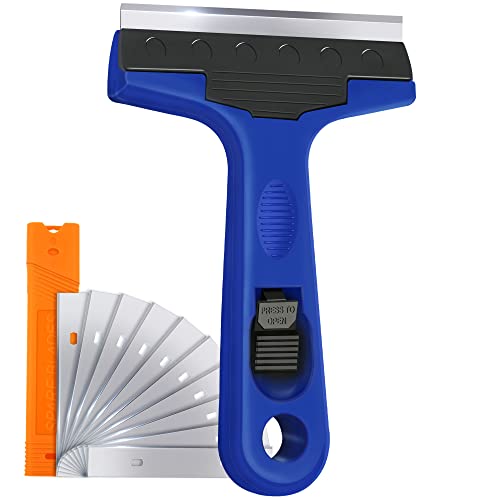
Before You Start
Prep the workspace by laying down protective sheets and ensuring good ventilation. Inspect the glass tiles for any chips or cracks; avoid aggressive tools on damaged grout as it can worsen damage. Time estimates vary: minor touch-ups may take 15–30 minutes, while extensive restorations can require 1–2 hours. Caution: Glass edges can be sharp when grout is removed, so wear safety glasses and cut-resistant gloves. Ensure the area is dry before applying any cleaner to prevent slipping or chemical splash.
Step-By-Step: How To Clean Grout Off Glass Mosaic Tiles
- Protect surrounding surfaces with tape and a drop cloth.
- Gently probe the grout with a plastic scraper to lift any loose deposits without scratching the glass.
- Mix a mild, non-acidic cleaner or use a pH-balanced grout cleaner as directed on the label.
- Apply cleaner to the grout lines, avoiding excess on the glass to limit streaks.
- Let the cleaner sit 3–5 minutes to loosen mineral buildup, then scrub with a soft-bristle brush in a circular motion.
- For stubborn areas, use a carbide-tipped grout removal tool with light pressure, watching for glass edge contact.
- Rinse with clean water and wipe with a microfiber cloth to remove residue and prevent water spots.
- Repeat treatment on any remaining grout stains, testing a small area first to confirm no damage to the glass.
- Once grout is clean and dry, inspect for any remaining haze and perform a brief final wipe with a glass-safe cleaner.
- Optionally seal the grout after it dries completely, following the sealant manufacturer’s instructions for use around glass tiles.
- Clean tools promptly to prevent grout buildup on blades and protect future tile work.
Troubleshooting
| Symptom | Likely Cause | Fix | Prevention |
|---|---|---|---|
| Streaks or cloudiness on glass after cleaning | Soap scum or cleaner residue | Rinse thoroughly and buff with a dry microfiber cloth | Rinse promptly after cleaning; use a glass-safe cleaner |
| Scratches or dull spots on grout lines | Overly aggressive scraping | Pause, switch to lighter technique, and test in a hidden area | Use softer tools first; operate tools at low speed |
| Gel-like grout residue remains in corners | Thick buildup in hard-to-reach areas | Apply cleaner and use a small brush or cotton swab to lift residue | Treat problem areas early during cleaning |
| Glass edges appear etched after cleaning | Acidic cleaner contact or excessive pressure | Stop immediately and rinse with water; avoid acidic products near glass | Use non-acid cleaners and minimal pressure |
Common Mistakes
- Using acidic cleaners on glass tiles; they can etch or dull surfaces.
- Applying excessive pressure with blades or metal tools near edges.
- Rushing the process; grout on glass requires careful, patient work.
- Neglecting to dry grout lines after cleaning, which can cause future staining.
- Ignoring safety gear; glass edges can cause cuts or splinters during removal.
Tips For Best Results
- Test any tool or cleaner on a small, inconspicuous area before full use.
- Maintain a cool, steady hand when using carbide blades to prevent heat buildup and surface damage.
- Switch to lighter tools as soon as the grout begins to loosen; this minimizes risk to the glass.
- Keep grout lines dry when applying sealants to ensure proper bonding and durability.
- Consider an expanding grout sealer for high-traffic areas to reduce future buildup.
Call A Professional
Stop and call a pro if you notice deep cracks in the glass, loose tiles, or grout that won’t budge with careful cleaning. Significant grout removal near glass tiles can require professional equipment and expertise to avoid cracks or chipping. Seek a licensed tile or glass restoration specialist if you see extensive grout deterioration, severe staining, or you need to regrout large areas.
FAQ
Is it safe to use a grout saw on glass mosaic tiles?
Yes, when used carefully and with minimal pressure, a grout saw with carbide blade can remove stubborn grout without scratching glass.
What cleaners are best for glass tiles and grout?
Choose non-acidic, pH-balanced cleaners designed for glass and grout to protect the tile finish and avoid etching.
How long should the grout dry before sealing?
Allow grout to cure fully per the manufacturer’s guidelines, typically 24–72 hours, before applying sealant.
Can I reuse the same tools on other tiled surfaces?
Yes, but clean and dry tools thoroughly to prevent cross-contamination and ensure optimal results on different materials.
What if grout keeps returning after cleaning?
Repeated buildup may indicate mineral-rich water or soap residue; consider a more frequent cleaning schedule and a grout sealer to reduce future staining.
Do I need to remove all grout for a glass backsplash?
Not necessarily; focus on the most stained or damaged lines. If widespread grout issues exist, professional assessment may be wise.
How can I protect glass tiles during grouting in future projects?
Use masking tape to shield glass edges, work with low-abrasion tools, and apply grout release products to ease cleanup.
Buying Guide
When choosing tools and cleaners for maintaining glass mosaic tiles, consider several factors. Size and layout of the mosaic impact how much grout needs attention and how reachable the lines are. Noise level matters for in-home projects, especially in living spaces or bedrooms. Look for energy-efficient tools with variable speed settings to control intensity. Controls should be simple to adjust, with a comfortable grip for precise work. Placement of tools matters: handheld options work well for small jobs, while powered grout removal tools can speed up larger areas. Compare options based on blade durability, ease of use, and compatibility with tile material. For long-term maintenance, pair a quality sealer with a gentle cleaner to keep glass tiles looking bright and clean.
Leave a Reply