How to Clean a Bosch Dishwasher With Vinegar
Maintaining a Bosch dishwasher helps ensure optimal cleaning performance and prolongs the life of the appliance. Using vinegar as a natural deodorizer and mineral remover can be an effective part of routine maintenance when done correctly.
This guide outlines a simple, safe method to clean a Bosch dishwasher with vinegar, along with practical steps, tools, and troubleshooting tips to keep your dishwasher running smoothly.
Quick Answer
Question: Can vinegar clean a Bosch dishwasher? Answer: Yes, applied properly, vinegar can help dissolve mineral buildup and neutralize odors. Use it during a maintenance cycle and avoid mixing with baking soda at the same time to prevent fizzing overflow.
What You’ll Need
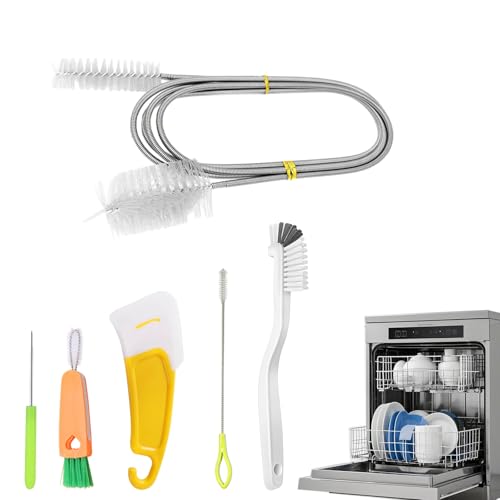
- Dishwasher spray arm cleaning tool brush
- Dishwasher filter cleaning brush
- Dishwasher cleaning wand tool
- White distilled vinegar
- Soft cloth or microfiber towel
- Non-abrasive sponge

Before You Start
Before you begin, remove any large debris from the dishwasher drain and check for obvious clogs. Run a quick rinse cycle to remove loose particles. Do not mix vinegar with bleach or ammonia, as this can create dangerous fumes. Allow the dishwasher to cool if recently used and ensure the door latches securely during the process. Time estimate: about 45–60 minutes for a thorough single-machine maintenance cycle.
Step-By-Step: How To Clean A Bosch Dishwasher With Vinegar
- Turn off the dishwasher and unplug it if accessible from the service panel, or switch off at the circuit breaker for safety.
- Remove the bottom rack and locate the spray arm. Use the dishwasher spray arm cleaning tool brush to scrub around the nozzles and any clogged spray holes.
- Take out the filter assembly from the base and use the dishwasher filter cleaning brush to lift and scrub away built-up gunk and sediment.
- Wipe the filter housing with a damp microfiber cloth to remove any remaining debris, then reinstall the filter securely.
- Place a dishwasher cleaning wand tool with vinegar into the bottom of the dishwasher. Pour about a cup of distilled white vinegar into the detergent cup or directly into the tub, depending on model instructions.
- Run a hot-water cycle with the dishwasher empty to let the vinegar circulate and break down mineral buildup inside the spray arms, jets, and interior walls.
- After the cycle completes, wipe the interior with a clean cloth. Inspect the spray arms again and use the cleaning arm brush if any blockages remain.
- Rinse once more with a short hot cycle, then run a normal wash cycle with dishes to ensure any residues are flushed away.
- Check seals and gaskets; wipe them gently with a damp cloth to remove any grime or mold potential spots.
- Reinsert racks and run a final hot-water rinse with the dishwasher empty to finish the maintenance.
- Schedule routine cleanings every 1–3 months, depending on water hardness and usage, to maintain performance.
Troubleshooting
| Symptom | Likely Cause | Fix | Prevention |
|---|---|---|---|
| Musty smell after cleaning | Residual odor from damp interior | Run an empty hot-water cycle with vinegar, then wipe seals dry | Leave door slightly ajar after cycles to promote drying |
| Poor spray coverage | Clogged spray arms | Clean spray holes with brush tool; recheck for debris | Regularly inspect spray arms during maintenance |
| Unusual noises during cycle | Foreign objects lodged in pump or spray arm | Inspect and remove debris; run a test cycle | Avoid loading dishes to obstruct components |
| Dish not cleaning effectively after cleaning | Filtration or drainage blocked | Clean filter with brush; inspect drain hose for kinks | Run hot-water cycles with no dishes to flush the system |
Common Mistakes
- Using vinegar too frequently or in excess during cycles can lead to rubber seal wear over time.
- Mixing vinegar with bleach or ammonia creates harmful fumes; never do this.
- Pouring vinegar directly onto heated metal parts may cause weak corrosion over extended use.
- For models with hard water, relying solely on vinegar without periodic filter cleaning may reduce efficacy.
Tips For Best Results
- Run maintenance cycles with the dishwasher empty to avoid interior dish contact during cleaning.
- Use vinegar sparingly in the detergent cup to prevent sudsing or residue on dishes.
- Combine vinegar maintenance with regular filter and spray arm cleaning using the appropriate brushes and wand tool.
- Consider a water-softening approach or descaling product if mineral buildup is persistent and your water is hard.
Call A Professional
Seek professional help if you notice persistent leaks, ongoing drainage problems, or electrical concerns. Stop using the appliance if there are unusual odors of gas or burning, exposed wiring, or a tripped breaker that recurs after maintenance. If the control panel is unresponsive after cleaning, a certified technician can diagnose electrical issues safely.
FAQ
Can I use vinegar every time I run the dishwasher?
Vinegar can be used for maintenance cycles, but using it too often may wear seals over time. Alternate with regular cleaning methods and consult your Bosch manual for model-specific guidance.
Is vinegar safe for Bosch dishwasher seals?
When used as part of a controlled maintenance routine, vinegar is generally safe, but avoid prolonged contact with seals and use the smallest effective amount.
Should I remove the filter before cleaning with vinegar?
Yes, remove and clean the filter separately to maximize cleaning effectiveness and prevent debris from recirculating.
What if vinegar alone doesn’t solve the odor or mineral buildup?
Consider a descaling product designed for dishwashers and consult a technician if buildup persists or performance declines.
Buying Guide
Choosing the right tools and accessories for dishwasher maintenance helps ensure effective cleaning and longevity. When evaluating products, consider compatibility with Bosch models, ease of use, and material durability.
- Size and compatibility: Ensure brushes and wand tools fit your dishwasher’s spray arms and filter design.
- Material quality: Look for BPA-free plastics and durable bristles that resist wear from cleaners.
- Ease of use: Ergonomic handles and angled brushes make access to tight spaces easier.
- Cleaning effectiveness: Look for brushes with stiff but gentle bristles for mineral buildup without scratching surfaces.
- Maintenance compatibility: Tools should work well with vinegar-based maintenance without degrading quickly.
When comparing options, assess how each tool complements your existing cleaning routine and the specific areas you need to target—spray arms, filters, and hard-to-reach corners. Would a compact kit with the three critical tools cover most needs, or do you prefer specialized tools for stubborn buildup?
Leave a Reply