Smooth Knees: How to Get Rid of Bumpy Knees
Bumpy knees, often caused by dry skin, keratosis pilaris, or rough patches, can be uncomfortable and affect confidence in short outfits or active wear. This guide outlines practical, safe steps to soften and smooth the skin on knees with at-home tools and routine care tailored for American households.
Quick Answer
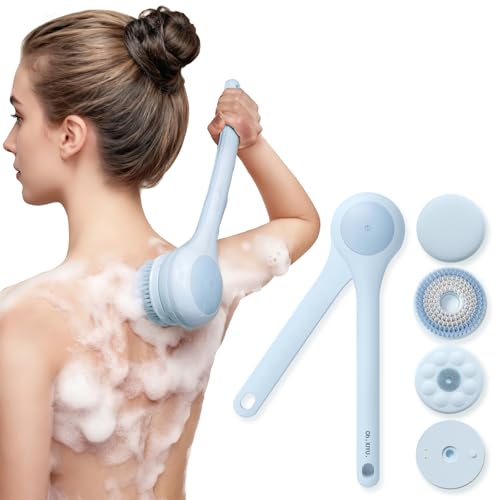
For quick improvements, use a gentle abrasive method 2–3 times per week: exfoliate with a pumice stone for knees rough skin exfoliation, then follow with a moisturizing cream. Alternate with an electric body exfoliating brush for knees to boost exfoliation, and finish with an exfoliating glove for knees rough skin treatment to maintain smoothness between sessions.
What You’ll Need
- pumice stone for knees rough skin exfoliation
- electric body exfoliating brush for knees
- exfoliating glove for knees rough skin treatment


Before You Start
Assess the skin on your knees for open wounds, irritation, or active inflammation. Do not use abrasive tools on broken skin. Start with a milder approach and gradually increase exfoliation frequency if the skin tolerates it. Time estimate for initial routine: 15–25 minutes; maintenance sessions: 10–15 minutes. Avoid aggressive scrubbing that can worsen dryness or cause micro-tears.
Step-By-Step: How To Get Rid Of Bumpy Knees
- Soften the area with a warm bath or shower for 5–10 minutes to prepare the skin for exfoliation.
- Gently wet the knee and test a small area before broad use of the pumice stone for knees rough skin exfoliation to ensure no irritation.
- In circular motions, rub the pumice stone lightly over dry patches for about 30–60 seconds, then rinse and pat dry.
- Optionally use the electric body exfoliating brush for knees to lift dead skin in a controlled, circular pattern for 1–2 minutes per knee.
- Apply the exfoliating glove for knees rough skin treatment and massage in an upward, sweeping motion to boost exfoliation without over-scrubbing.
- Rinse thoroughly and pat dry with a clean towel. Apply a rich, fragrance-free moisturizer while the skin is slightly damp.
- Repeat the routine 2–3 times per week, and scale back if redness or irritation occurs.
- On non-exfoliation days, seal in moisture with a hydrating lotion or skin barrier cream to prevent dryness.
- Consider layering strategies, such as pairing exfoliation with gentle hydration and occasional mild chemical exfoliants if your skin tolerates them.
- Monitor skin response over 2–4 weeks. If bumpy texture persists, adjust frequency or consult a dermatologist for underlying conditions.
Troubleshooting
| Symptom | Likely Cause | Fix | Prevention |
|---|---|---|---|
| Red, irritated skin after exfoliation | Overuse or too much pressure | Ease off; reduce duration and frequency | Always test a small area first |
| Little to no improvement after several weeks | Dry skin or keratosis pilaris resistant patch | Increase moisturizing and consider therapeutic products | Maintain consistent routine |
| Dry, flaky patches recur quickly | Environment or lifestyle dryness | Adjust moisturizer and hydration habits | Humidifier, water intake |
| Rashes or itching | Allergic reaction to product | Discontinue use of suspected item | Patch-test new products |
Common Mistakes
- Using harsh scrubs or applying heavy pressure, which can damage the skin
- Exfoliating on completely dry skin without prior softening
- Over-reliance on one tool (e.g., only pumice stone) without moisture balance
- Skipping moisturizer after exfoliation, leading to rebound dryness
Keep a balanced routine that blends mechanical exfoliation with hydration to avoid common pitfalls.
Tips For Best Results
- Consistency matters: set a regular schedule to prevent rough patches from returning.
- Pair exfoliation with hydration: use a thick, fragrance-free moisturizer or barrier cream after each session.
- Protect skin from harsh elements: apply sunscreen on exposed knees if they may be sun-exposed during outdoor activities.
- For sensitive skin, limit to the gentlest tool and shorter sessions, and consider slowing the transition to electric tools.
- Hydration enhances results: drinking water supports skin health from within.
Call A Professional
Seek professional advice if there is severe cracking, persistent redness, swelling, or signs of infection in knee skin. If you have diabetes, poor circulation, or a skin condition like eczema or psoriasis that affects the knees, consult a dermatologist before starting an exfoliation routine.
FAQ
Can I exfoliate my knees every day?
Exfoliation should generally be limited to 2–3 times per week to avoid irritation; daily use can damage the skin.
Is a pumice stone safe for all knee skin types?
Yes for most, but avoid if skin is broken, very sensitive, or inflamed. Use light pressure and test a small patch first.
Do I need to moisturize immediately after exfoliation?
Yes. Apply a moisturizer while the skin is slightly damp to lock in hydration and improve softness.
Can I use chemical exfoliants on my knees?
Yes, if the skin tolerates them. Start with a mild product and follow label directions to avoid irritation.
Buying Guide
When choosing tools and accessories to address bumpy knees, consider size, ease of use, and skin compatibility. Below are factors to help compare options and find a comfortable routine.
Size And Reach
Tools with comfortable grip handles and appropriate head size help reach the knee area easily without requiring awkward postures. A larger head on the exfoliating brush covers more skin quickly, while a smaller head is good for precise work around kneecaps.
Exfoliation Intensity
Devices and tools vary in abrasive strength. For sensitive skin, start with gentle settings (or milder pumice stones) and gradually increase if needed. Balance exfoliation with hydration to prevent over-drying.
Energy Source And Maintenance
Manual pumice stones require no power and are low-maintenance, while electric brushes offer faster results but need charging and cleaning. Look for models with replaceable heads and clear cleaning instructions.
Materials And Skin Compatibility
Choose tools with skin-friendly materials and non-irritating textures. Fragrance-free moisturizers paired with tools reduce the risk of irritation.
Controls And Safety Features
Look for devices with adjustable speeds, automatic shut-off, and non-slip grips to prevent accidents during use.
Placement And Storage
Store tools in a dry, clean area. Keep exfoliating gloves and brushes separate from bathroom clutter to maintain hygiene and prolong tool life.
Think of a simple routine: exfoliate with a pumice stone or electric brush a couple of times a week, finish with a rich moisturizer, and keep skin well-hydrated between sessions. If you want a practical, dermatologist-approved approach for smoother knees, the combination of these tools can offer noticeable improvements with proper care.
Leave a Reply