How to Clean a Green Pool Without Chemicals
Maintaining a sparkling pool without relying on chemical additives is a common goal for pool owners who prefer a more natural approach. This guide outlines practical steps, safe tools, and careful timing to tackle a green, algae-filled pool using mechanical means and routine maintenance.
Quick Answer
Restore clarity with a strong surface skim, remove algae with a manual vacuum and brushes, circulate water with a swimming pool pump, and use a skimmer and pole system to gather debris. Regular brushing and thorough filtration are essential to prevent returning green color.
What You’ll Need
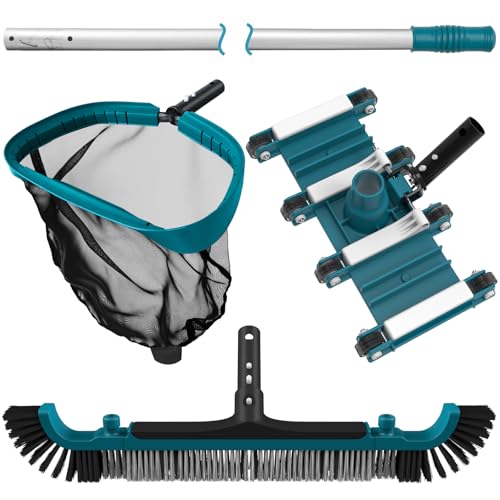
- Manual pool vacuum head with telescoping pole kit
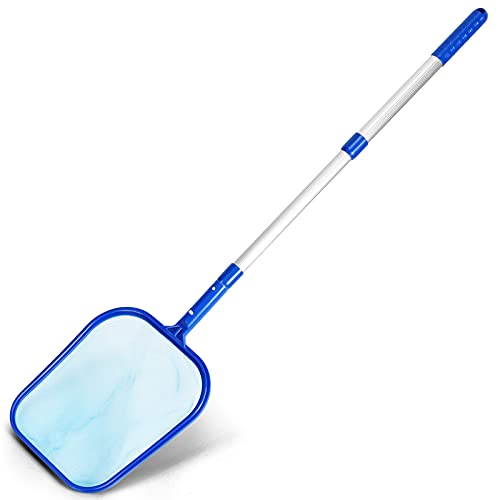
- Pool skimmer net and telescoping pole for green algae cleanup
- Algae brush for pool walls and floor pool cleaning

Before You Start
Assess the pool’s size, water depth, and current algae level. Remove surface debris with a net, then clear skimmer baskets. Run the filtration system continuously if possible, keeping the pump in good condition and the strainer clean. Safety first: turn off the pump before attaching tools, and wear gloves to protect hands from gritty debris. Time commitment can range from several hours to a full day depending on algae severity and pool size.
Step-By-Step: How To Clean A Green Pool Without Chemicals
- Turn on the filtration system and set it to circulate continuously. A steady flow helps lift algae into the filter rather than letting debris settle.
- Use the skimmer net and telescoping pole to remove surface debris and floating algae. Work from the perimeter toward the center to prevent re-spreading.
- Brush the pool walls and floor with the algae brush to dislodge stubborn filaments and mossy patches. Focus on corners and stepping areas where algae tend to cling.
- Attach the manual pool vacuum head to the telescoping pole and connect it to the hose or skimmer suction line as directed by your pool system. Begin vacuuming the bottom, moving in straight, overlapping passes to cover every area.
- Vacuum in short, repeated passes to avoid lifting settled debris back into the water. If you notice a lot of debris bypassing the filter, clean or backwash the filter and empty the debris canister.
- Continue brushing and vacuuming until the water starts to clear. Keep the circulation going for at least 24–48 hours of consistent filtration to reduce green coloration.
- Inspect the pool’s suction lines for air leaks or insufficient flow. Tighten fittings or replace worn hoses as needed to maintain optimal suction and filtration.
- Shut down briefly to check chemistry or filtration pressure. If available, a temporary boost in filter cleaning cycles can help push out more algae before resuming normal operation.
- Finish with a final sweep of brushes and a last vacuum pass. Recheck the water clarity; repeat brushing and vacuuming if needed until the water appears clear and the algae stop accumulating on surfaces.
- Perform routine maintenance to prevent recurrence: run the pump at peak times, keep skimmer baskets clean, and brush walls weekly to discourage algae adhesion.
- Document your process and schedule regular checks, especially after heavy rainfall or heat waves, which often trigger algae blooms.
Troubleshooting
| Symptom | Likely Cause | Fix | Prevention |
|---|---|---|---|
| Water remains green after brushing | Insufficient filtration or dead zones | Increase run-time; check for clogged filters | Regularly clean filters and backwash as needed |
| Algae returns quickly | Poor circulation or missed pockets | Re-brush missed areas; ensure even flow across the surface | Schedule routine brushing and vacuuming |
| Foamy water | Organic debris in the water | Run filtration longer; skim surface more often | Keep pool surface debris-free |
| Low pump suction | Clogged skimmer or dirty filter | Clean skimmer basket; backwash or clean filter | Inspect lines and maintain clean baskets weekly |
Common Mistakes
- Relying solely on brushing without adequate filtration or circulation
- Skipping regular skimming, which lets debris accumulate and deform water clarity
- Overloading the system with debris during a clean, causing clogs and reduced suction
- Using tools without proper attachments, leading to inefficient cleaning or damage
Attention to flow and filtration is crucial. A green pool is typically a sign of insufficient circulation, so the focus should be on moving water continuously and removing debris promptly.
Tips For Best Results
- Clean filters frequently during a green-up to maintain strong suction and effective debris removal
- Brush slowly and methodically to maximize surface contact and algae detachment
- Combine brushing with vacuuming to push algae toward the filter rather than reintroducing it into the water
- Keep a routine maintenance schedule even after the water clears to prevent future blooms
- Store tools properly after each use to prevent damage and ensure readiness for the next cleaning
Call A Professional
Consider contacting a pool professional if any of the following apply: algae bloom returns after multiple cleaning attempts, water tests reveal persistent imbalance, or there is persistent cloudy water with unusual odors. Also seek expert help if you notice equipment malfunctions, such as pump failures or persistent leaks, that could hinder cleaning efforts.
FAQ
Can I clean a green pool without any chemicals?
Yes, primarily by using mechanical cleaning tools, aggressive brushing, and consistent filtration.
How long does it take to clear a green pool without chemicals?
It varies by pool size and algae severity, but expect several hours to a full day of active cleaning and ongoing filtration.
What if the water turns green again after a clean?
Reassess circulation, brush, vacuum again, and ensure filters are clean. Persistent blooms may require professional assessment.
Do I need special equipment for hard-to-reach areas?
A telescoping pole paired with a flexible vacuum head and a long-handled skimmer is typically sufficient for most pools.
How often should I brush and vacuum during a green-up?
Brush and vacuum daily during the initial clean until the water is clear, then maintain weekly brushing and monthly deep cleaning.
Buying Guide
When choosing tools to clean a green pool without chemicals, consider size, efficiency, and ease of use. Look for a manual pool vacuum head with telescoping pole kit that fits your pool width and depth, a pool skimmer net and telescoping pole for green algae cleanup that reaches corners, and an algae brush for pool walls and floor pool cleaning that is non-scratch and durable. Factor noise levels if you have a covered or adjacent living area and compatibility with your pool filtration system. Prioritize lightweight, rust-resistant materials, clear instructions, and replacement part availability. A well-matched set of tools improves cleaning efficiency and reduces the time required to regain clear water.
Leave a Reply