How to Clean Mexican Tile
Mexican tile adds vibrant character to homes, but its handcrafted surfaces can be delicate. This guide covers practical, step‑by‑step methods to clean and maintain ceramic tile and grout without damaging color or texture. Readers will learn efficient strategies that work for common home setups.
Quick Answer
Use a neutral pH ceramic tile cleaner for regular maintenance to protect grout and tile finishes. For stubborn grime, combine a tile and grout scrub brush set with stiff bristles and targeted cleaning motions. If heat and steam are available, a steam cleaner for ceramic tile floors with grout cleaning attachments can simplify deep cleaning—but test first in an inconspicuous area.
What You’ll Need
- Neutral pH ceramic tile cleaner for grout and tile floors
- Tile and grout scrub brush set with stiff bristles for ceramic tiles
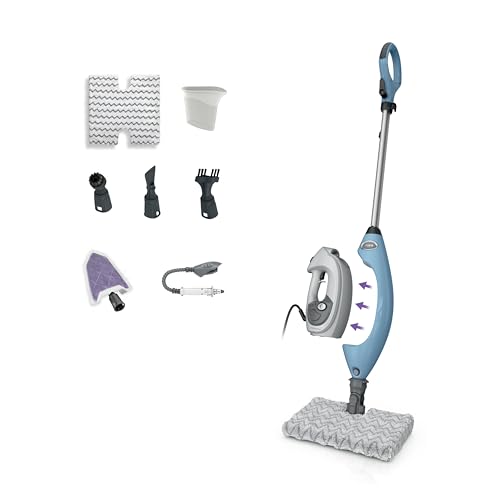
- Steam cleaner for ceramic tile floors with grout cleaning attachments


Before You Start
Inspect tile surfaces for cracks or loose grout. Repair any damage before cleaning to prevent water penetration. Protect surrounding surfaces and trim with painter’s tape if splashing is a concern. Plan a cleaning session that allows for drying time between steps, especially when using steam. Wear gloves and eye protection when handling cleaners or steam to avoid irritation. Estimate 30–90 minutes for a typical room, depending on grout depth and soil level.
Step-By-Step: How To Clean Mexican Tile
- Clear the area of furniture and rug fibers that might trap moisture during cleaning.
- Mix a gentle solution using neutral pH ceramic tile cleaner for grout and tile floors according to label directions.
- Spray or mop the solution onto tile surfaces, focusing on grout lines where dirt accumulates.
- Use the tile and grout scrub brush set with stiff bristles for ceramic tiles to scrub grout lines with a rhythmic back‑and‑forth motion.
- Rinse the surface with clean water or a damp microfiber cloth to remove soap residues that can attract dirt.
- For tougher stains, apply a little more cleaner to the scrub brush and re‑scrub, then rinse again.
- Allow the area to air dry or dry with a clean, dry cloth to prevent water spots on glossy tile surfaces.
- If using a steam cleaner for ceramic tile floors with grout cleaning attachments, follow manufacturer instructions and avoid overheating grout; use attachments to target grout lines without soaking nearby walls.
- Repeat the process in any remaining sections, ensuring even cleanliness across floors or walls.
- Reassess grout color and sealant needs after cleaning; reseal grout if necessary to maintain deep cleanliness and stain resistance.
- Store cleaning tools properly to prevent mildew growth between uses.
Troubleshooting
| Symptom | Likely Cause | Fix | Prevention |
|---|---|---|---|
| Grout still looks dark after cleaning | Dull mineral buildup or ingrained grime | Apply cleaner to grout with a stiff brush and re‑scrub; rinse thoroughly | Clean regularly to prevent heavy buildup |
| Soap residue on tile | Overuse of cleaner or inadequate rinsing | Rinse with plain water and wipe dry | Use neutral pH cleaner and follow label directions |
| Streaks on glossy tile | Water spots or soap film | Dry with microfiber cloth; buff lightly | Dry grout and tile after cleaning |
| Tiles feel slippery after cleaning | Excess moisture or residue | Wipe thoroughly and ventilate area | Ensure complete drying before foot traffic |
Common Mistakes
- Using acidic cleaners that can etch natural stone or glaze
- Overly aggressive scrubbing that damages grout or tile glaze
- Skipping a final rinse, leaving soap film behind
- Using steam on grout installations not rated for high heat
Keep the cleaning routine consistent but gentle to preserve the tile’s beauty and grout integrity over time.
Tips For Best Results
- Test cleaners in a small, inconspicuous area before full‑room use.
- Work in sections to prevent cleaner from drying on surfaces.
- Use a microfiber mop pad for efficient pickup and minimal streaking.
- Consider sealing grout after cleaning to extend cleanliness and stain resistance.
- Ventilate the area well when using steam or strong cleaners.
Call A Professional
Seek professional help if tile shows hairline cracks, noticeable grout deterioration, or if there is persistent staining beyond routine cleaning. Stop and call a pro if you notice efflorescence, excessive moisture in walls, or tile loosening. A licensed cleaner can assess sealant needs and provide guidance on long‑term maintenance.
FAQ
Can I use vinegar on Mexican ceramic tile?
Vinegar and acidic cleaners may damage some glazes; stick with a neutral pH cleaner unless the manufacturer specifies compatibility.
How often should grout be cleaned?
Clean grout during regular floor maintenance, more frequently in high‑traffic areas or homes with pets and children.
Is steam cleaning safe for tile and grout?
Steam can be effective but test first and avoid high heat on older grout that may crumble; use attachments designed for grout cleaning.
Should I reseal grout after cleaning?
Yes, resealing helps prevent staining and moisture infiltration; follow the sealant’s instructions and reapply as recommended.
What if my tile is discolored after cleaning?
Discoloration can result from mineral deposits or aging grout; consider professional evaluation if discoloration persists after cleaning.
Buying Guide
When choosing cleaning tools and products for Mexican tile, consider size, noise level, energy efficiency, controls, and placement in the home. For regular maintenance, a neutral pH ceramic tile cleaner for grout and tile floors is a solid baseline choice that protects both tile glaze and grout. A tile and grout scrub brush set with stiff bristles for ceramic tiles helps with stubborn grime along grout lines without excessive abrasion. For deep cleaning or large areas, a steam cleaner for ceramic tile floors with grout cleaning attachments can speed up the process, but ensure it’s compatible with your tile type and grout condition. Look for compact models for small bathrooms and larger, adjustable units for open floor plans. Noise levels and energy usage matter for ongoing use in homes. Choose tools with interchangeable heads or attachments for versatility in cleaning floors and walls. Placement considerations include whether cleaning is needed in damp basements, kitchens, or sunlit sunrooms where colorfastness can vary. Finally, verify that cleaners are labeled safe for ceramic tiles and grout to maintain long‑term beauty and structural integrity.
Leave a Reply