How to Clean Walls With a Mop
Cleaning painted walls or wallpaper can refresh a room without a full repaint. Using a mop designed for walls makes the job easier and quicker, especially when dealing with high or hard-to-reach areas. The following guide covers a practical method, recommended tools, and best practices for safe, effective wall cleaning in American homes.
Quick Answer
For most wall surfaces, use a microfiber flat mop or a telescoping mop pole with an angled head to reach ceilings and corners. Start from the top and work downward in broad strokes, rinsing the mop frequently and avoiding excess moisture to prevent water damage.
What You’ll Need
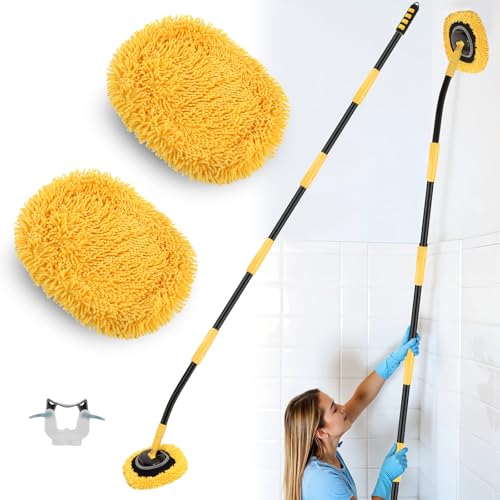
- microfiber flat mop for walls with extendable telescoping handle
- telescoping mop pole with angled head for wall cleaning
- wall cleaning kit microfiber mop head replacement for walls
- Mild cleaning solution or soapy water
- Bucket or spray bottle
- Dry microfiber cloth or towel for quick drying


Before You Start
Inspect walls for cracks, peeling paint, or water damage. Test a small inconspicuous area with your cleaning solution to ensure no discoloration. Use the gentlest effective method first to avoid removing paint or wallpaper finish. Plan to clean one wall at a time and work from top to bottom. Allow surfaces to dry completely before placing furniture back. Typical cleaning time varies by wall size but expect 30–60 minutes for a standard room.
Step-By-Step: How To Clean Walls With A Mop
- Attach a microfiber flat mop for walls with extendable telescoping handle to reach high surfaces without a ladder.
- Attach an angled head to the pole if you need better access to corners or around ceiling fixtures.
- Fill a bucket with a small amount of mild cleaning solution or prepare a light soapy spray in a bottle.
- Lightly dampen the wall cleaning kit microfiber mop head replacement for walls and remove excess moisture to prevent drips.
- Begin at the top of the wall, using long, even strokes to cover wide areas. Overlap strokes slightly to prevent streaks.
- Work in sections, moving downward. Rinse the mop head frequently to avoid spreading dirt. Replace the mop head as needed if it becomes visibly soiled.
- For stubborn spots, use a slightly firmer touch or a small, circular motion. Avoid harsh scrubbing that can damage paint or wallpaper.
- Rinse the cleaned area with a barely damp mop or wipe with a dry microfiber cloth to remove any soap residue.
- Repeat on adjacent sections until all walls are clean. Allow to air-dry or use a dry cloth to speed up drying.
- Inspect each wall as it dries. Spot-clean any remaining marks with a focused pass from the mop head or a clean cloth.
- Store equipment in a dry, well-ventilated area. Keep the microfiber heads clean after use and replace as needed for future cleanings.
Troubleshooting
| Symptom | Likely Cause | Fix | Prevention |
|---|---|---|---|
| Streaks or water marks | Excess moisture or uneven cleaning | Wring mop well; use light, consistent strokes | Regularly rinse mop and use clean solution |
| Paint peeling after cleaning | Scrubbing too hard or unsuitable cleaner | Switch to a milder solution and gentler touch | Test first on a hidden area |
| Water pooling near baseboards | Too much moisture carried down | Work in smaller sections; dry as you go | Use a minimally damp mop head |
| Head detaches or wobbles | Improper attachment | Securely reattach and ensure compatible parts | Check compatibility before cleaning |
Common Mistakes
- Using a stiff brush or abrasive cleaners on painted walls
- Soaking the wall with excess water, which can cause damage
- Cleaning from floor to ceiling, which can drag dirt upward
- Neglecting to rinse soap residue, leading to streaks
- Not testing a small area before full cleaning
Tips For Best Results
- Keep a slim, angled head on the mop to access corners and around fixtures.
- Choose a microfiber head for superior dust and dirt pickup without residue.
- Regularly replace mop heads to maintain cleaning efficiency.
- Dry walls promptly after cleaning to minimize moisture risks.
- Use a lightweight cleaning solution to reduce strain and improve control.
Call A Professional
Consider contacting a professional if walls show extensive staining, water damage, mold, or peeling paint. Seek expert evaluation when plaster or drywall damage is suspected, or if cleaning has to be performed on large or delicate wallpaper installations. If you notice persistent odors or damp patches after cleaning, a pro can assess underlying issues.
FAQ
Can I use a regular mop to clean walls?
A standard floor mop can work in a pinch, but wall-specific tools like a microfiber flat mop with an extendable handle offer better reach and gentler cleaning for vertical surfaces.
What cleaner is best for walls?
Neutral pH, mild detergents work well. Avoid harsh solvents that can damage paint or wallpaper.
How do I prevent streaks?
Wring the mop well, work in top-to-bottom sections, and use overlapping, smooth strokes with a barely damp head.
Should I rinse after cleaning?
Yes, a quick rinse or wipe helps remove soap residue and prevents streaks.
Is it safe for textured or fabric wallpaper?
Test a hidden area first and use gentler cleaning methods; for delicate textures, consider spot cleaning or consult the wall manufacturer guidelines.
How often should walls be cleaned?
Frequency depends on household traffic and tasks; high-traffic areas may benefit from quarterly cleaning, while low-traffic spaces can be cleaned semiannually.
What if dirt accumulates in corners?
Detach the angled head or extend the pole to target corners directly; use smaller, controlled strokes to lift dirt.
Buying Guide
Choosing the right wall-cleaning setup depends on wall height, texture, and how often cleaning is needed. Consider these factors to match tools with tasks:
- <bSize and reach: An extendable microfiber flat mop for walls with extendable telescoping handle helps reach ceilings without ladders. Ensure the length fits your room height and storage space.
- <bHead design: An angled head improves access to corners and around crown molding. A swap-friendly wall cleaning kit microfiber mop head replacement for walls ensures fresh cleaning power.
- <bMaterial and pad: Microfiber pads trap dust and grime without scratching surfaces. Look for machine-washable heads for long-term value.
- <bCompatibility: Confirm that heads, poles, and replacements are compatible to avoid misfits or poor performance.
- <bWeight and ergonomics: Lightweight handles reduce fatigue during extended cleaning sessions, especially for tall walls.
- <bMaintenance: Easy-to-clean heads and durable construction save time and money over repetitive tasks.
- <bNoise and energy: Motorized or powered cleaning options are not typical for wall cleaning; manual mops are quiet and energy-efficient.
- <bPlacement: Store mops vertically or in a tall cabinet to keep head shapes intact and ready for use.
Want a balanced setup? A microfiber flat mop for walls with extendable telescoping handle paired with a telescoping mop pole with angled head for wall cleaning and a wall cleaning kit microfiber mop head replacement for walls provides versatile, effective cleaning across rooms. Consider your wall heights, textures, and cleaning frequency to pick the best combination. If you frequently clean tall walls or ceilings, a durable extendable pole is a worthwhile investment.
Leave a Reply