How to Clean Katchy Fly Trap: A Step‑By‑Step Guide
The Katchy line of flying insect traps helps reduce nuisance bugs indoors. Regular cleaning keeps the device working at peak efficiency and extends its life. This guide provides practical, step-by-step instructions tailored for American homes and safety considerations to ensure you get the most from your Katchy trap.
Quick Answer
Unplug the Katchy, remove the tray and sticky boards, rinse with mild soapy water, dry thoroughly, replace the sticky board, and restart. For stubborn residue, use the included cleaning brush and maintenance kit to avoid damaging the unit.
What You’ll Need
- Katchy fly trap cleaning brush
- Katchy insect trap maintenance kit
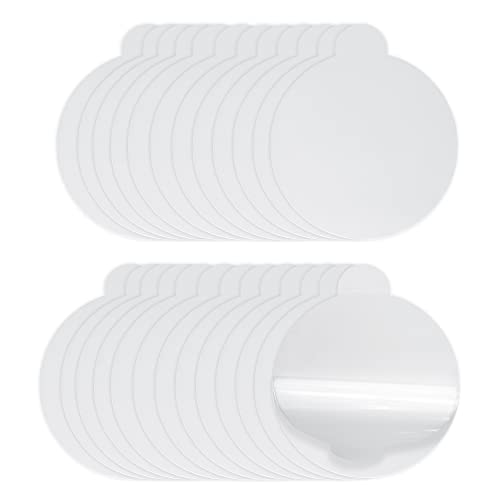
- Katchy fly trap replacement sticky board


Before You Start
Prepare a clean workspace and protect surrounding surfaces. Unplug the device before handling any parts to prevent shocks or injury. Allow the trap to cool if it has been operating, and use a damp cloth for the exterior to avoid water entering the electronics. Plan for a 15–30 minute cleaning session, depending on how dirty the unit is.
Step-By-Step: How To Clean Katchy Fly Trap
- Unplug the Katchy and detach the outer housing if your model permits access to the interior components.
- Carefully remove the tray and any sticky board in use, noting which side faces up.
- Discard the used sticky board in a sealed bag to prevent contamination and odors.
- Rinse the tray with warm water and a small amount of mild dish soap. Use the cleaning brush to loosen debris without scratching surfaces.
- Wipe the interior surfaces with a damp, lint-free cloth. Do not submerge the unit entirely unless the manufacturer approves.
- Inspect the replacement sticky board slots; if the board shows significant wear or is clogged, replace it with a new one from the maintenance kit.
- Allow all parts to dry completely before reassembling. This prevents moisture from affecting the electronics.
- Reinsert the new sticky board and tray in the correct orientation, then reattach the housing if needed.
- Plug the device back in and run a quick test to confirm the light and fan operate normally and that debris is not blocking airflow.
- Monitor for a few hours and repeat cleaning every few weeks or sooner if you notice reduced effectiveness.
Troubleshooting
| Symptom | Likely Cause | Fix | Prevention |
|---|---|---|---|
| Low catch rate | Sticky board clogged or expired | Replace sticky board with a fresh one | Schedule regular board replacement |
| Unit not turning on | Power connection or internal fault | Check outlet and power cord; consult support if persists | Use a surge-protected outlet |
| Unpleasant odor | Dirty tray or trapped insects | Clean tray and replace sticky board | Clean promptly after heavy insect activity |
| Excess condensation inside | Humidity or improper drying | Ensure complete drying before reassembly | Avoid storing in humid areas |
Common Mistakes
- Using harsh chemicals or submerging the unit in water
- Forgetting to dry parts fully before reassembling
- Neglecting to replace sticky boards on schedule
- Reassembling incorrectly, blocking air intake or exhaust
Tips For Best Results
- Clean on a regular cadence to maintain a strong attractant effect.
- Keep the trap away from competing light sources and strong airflow that could deter insects.
- Label replacement sticky boards with dates to track usage easily.
- Store spare boards and maintenance tools in a dry, accessible location.
Call A Professional
Consider professional help if the device shows persistent electrical issues, unusual noises, or if there is visible damage to the housing or wiring. Do not attempt internal repairs beyond the manufacturer’s guidance, and contact customer support for warranty considerations or replacement parts.
FAQ
What is the best way to clean the Katchy without damaging it?
Unplug, remove debris with the cleaning brush, and use a damp cloth with mild soap on the exterior. Allow all parts to dry thoroughly before reassembly.
How often should sticky boards be replaced?
Replace when they appear full or lose stickiness, typically every few weeks depending on insect activity.
Can I wash the interior components?
Only as directed by the user manual; most models permit gentle cleaning of the tray and accessible interior with a damp cloth, but avoid soaking.
What should I do if the trap stops working after cleaning?
Check power, inspect for moisture in electronics, and consult the manufacturer’s troubleshooting resources or customer service.
Is it safe to use other cleaning products?
Stick to mild soaps and water for most parts; avoid solvents or abrasive cleaners unless explicitly approved by the manufacturer.
Buying Guide
Choosing the right Katchy setup involves several factors. Size and placement influence how effectively the trap covers your space; larger rooms may benefit from multiple units. Consider noise levels if placement in bedrooms or offices is important. Look for energy-efficient models and reliable controls that let you adjust attractants or fan speed. When comparing kits, evaluate what’s included in the package—often a maintenance kit and replacement sticky boards offer a better long-term value. Finally, ensure the device fits your routine and cleaning preferences so maintenance remains easy and consistent.
Leave a Reply