How to Clean Electric Hair Clippers Effectively
Electric hair clippers are essential tools for grooming at home or in a barber shop. Proper cleaning not only extends their life but also ensures consistent cutting performance and hygiene. This guide walks through practical steps, safe practices, and best products to keep clippers in top condition.
Quick Answer
Best quick approach: remove the blades, brush out hair with a specialized cleaning brush, rinse or wipe with a damp cloth, apply blade oil, sanitize with an electric hair clipper disinfectant spray, and reassemble. Regular maintenance after each use prevents buildup and keeps performance steady.
What You’ll Need
- Electric hair clipper cleaning brush
- Clipper blade cleaning and oiling kit
- Electric hair clipper disinfectant spray

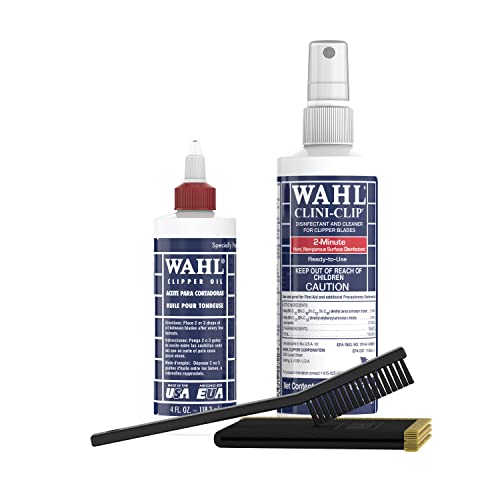

Before You Start
Prepare a clean workspace and unplug the clipper before cleaning. If the blades are removable, gently detach them according to the manufacturer’s instructions. Avoid water on electrical components unless the device is labeled water-safe. Time for a thorough clean typically runs 10–20 minutes per session, depending on blade type and clipper model.
Step-By-Step: How To Clean Electric Hair Clippers
- Power down and unplug the clipper from the outlet or switch off its cordless battery.
- Remove the blades securely following the user manual, then set them aside on a clean surface.
- Use the electric hair clipper cleaning brush to sweep away loose hair from the blade housing, vents, and body.
- Wipe internal blade surfaces with a damp cloth or a dedicated cleaning wipe if approved by the manufacturer.
- Apply the clipper blade cleaning and oiling kit—start with a light oiling along the blade teeth, then brush to distribute evenly.
- Reassemble the blade assembly and test the clipper briefly to ensure smooth operation without binding.
- Spray the exposed parts with the electric hair clipper disinfectant spray, avoiding the motor and battery contacts. Let it air dry.
- Sharpen or replace blades as needed according to wear; refer to the kit guidance for intervals and compatibility.
- Wipe down the clipper housing with a dry microfiber cloth to remove any lingering residue.
- Store the clipper in a clean, dry place with blade guards in place to prevent rust and damage.
- Schedule routine maintenance after 8–12 uses or as recommended by the manufacturer.
- Record maintenance dates in a small note or digital reminder to stay consistent.
Troubleshooting
| Symptom | Likely Cause | Fix | Prevention |
|---|---|---|---|
| Clippers drag or pull hair | Dull or dirty blades | Clean and oil blades thoroughly; replace if needed | Clean blades after each use; oil regularly |
| Clippers overheating | Blocked vents or dry blade | Clean vents; ensure blades are properly oiled | Schedule regular cleanings |
| Disinfectant smells strong | Residual buildup or incompatible spray | Wipe with clean cloth; switch spray if irritation occurs | Test spray on small area before full use |
| Blade won’t reset after cleaning | Improper reassembly | Disassemble and reassemble according to manual | Follow steps exactly; avoid forcing parts |
Common Mistakes
- Using water or soaking blades unless the unit is labeled waterproof
- Skipping blade oil after cleaning, which leads to quicker wear
- Forgetting to disinfect after professional use or shared devices
- Neglecting to clean vents, leading to heat buildup
Tips For Best Results
- Clean blades immediately after grooming sessions to minimize dried hair and skin oils.
- Keep a small lubricant bottle dedicated to clippers to ensure quick maintenance.
- Store blades in protective caps to prevent dulling during storage.
- Use manufacturer-approved products to avoid chemical damage or voiding warranties.
- Schedule a professional service if blades or motors show unusual noise or performance decline.
Call A Professional
Stop using the clipper and seek professional help if you notice persistent overheating, unusual noises, or electrical issues such as sparking. If blades won’t reattach correctly or motor power seems inconsistent after repeated cleaning, a certified technician can inspect electrical connections and internal components.
FAQ
How often should I clean electric hair clippers?
Clean them after each use and perform a deeper clean weekly or after completing a full set of grooming sessions.
Can I submerge clippers in water?
Only if the manufacturer explicitly approves waterproof or water-resistant models; otherwise, avoid submersion.
What is the best lubricant for clipper blades?
Use the blade oil supplied in the cleaning kit or a manufacturer-recommended lubricant designed for clipper blades.
Is it safe to disinfect clippers with spray near the motor?
Yes, if the spray is designed for electronics and used as directed, avoiding liquid contact with the motor and electrical contacts.
Buying Guide
When choosing cleaning supplies and accessories for electric hair clippers, consider size, compatibility, and ease of use. It helps to have a dedicated kit that includes a electric hair clipper cleaning brush, clipper blade cleaning and oiling kit, and electric hair clipper disinfectant spray for quick, all-in-one maintenance. Look for kits that include blade guards and clear instructions to minimize the risk of damage during maintenance.
Key buying factors:
- Size and compatibility: Ensure tools fit your blade type and model; check blade sizes and attachment compatibility.
- Noise level: Quieter operation is preferable for home use or shared spaces.
- Energy efficiency: While not a major factor for cleaning, choose devices with efficient motors to minimize heat during use.
- Controls and ease of use: Simple, intuitive kits reduce the risk of improper maintenance.
- Placement and storage: Pick a compact kit that stores neatly on a grooming cart or cabinet.
Would you like recommendations tailored to your clipper model or a comparison of specific brands? I can help tailor the buying guide to your setup and preferred maintenance routine.
Leave a Reply