How to Clean Brass House Numbers
Brass house numbers add curb appeal with a classic, timeless look. Over time, they can tarnish from weather exposure, humidity, and pollutants. This guide provides practical, safe steps to restore shine using common brass cleaners and polishing tools, while preserving the protective finish of exterior hardware.
Quick Answer
For fast results, start with a gentle brass cleaner and polish, then buff with a microfiber cloth. If tarnish is stubborn, use a brass tarnish remover paste and a buffing pad. Always rinse and dry thoroughly to prevent water spots.
What You’ll Need
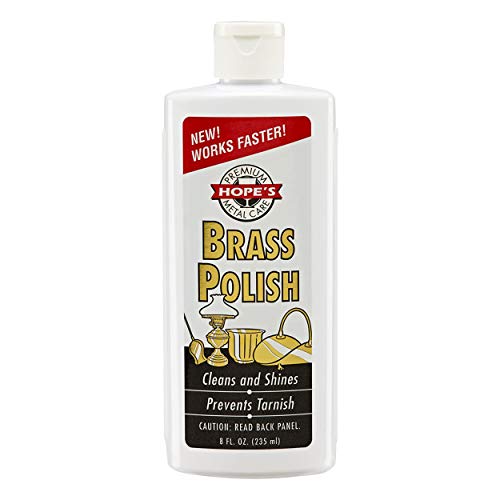
- Brass cleaner and polish for exterior house numbers
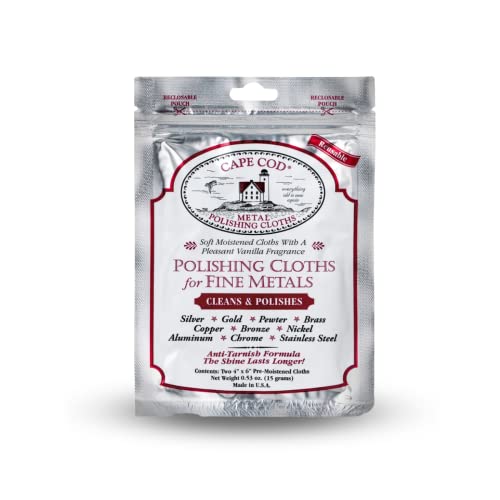
- Brass tarnish remover paste with microfiber polishing cloth
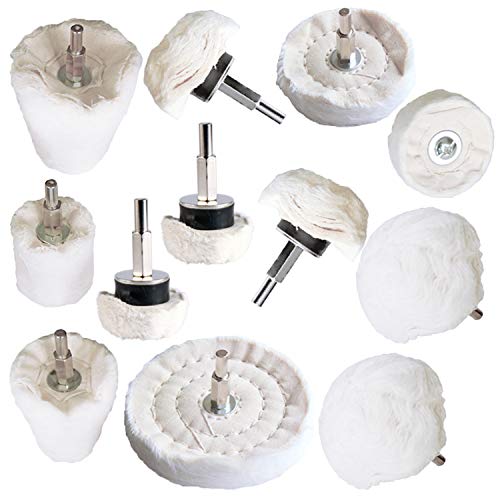
- Brass polishing kit with buffing pad for exterior hardware
Before You Start
Prepare the area around the numbers to catch drips and protect adjacent surfaces. Wear gloves to protect skin and use a soft cloth to avoid scratching the brass. Work in a shaded area to prevent rapid drying that can leave streaks. Time estimate: 15–30 minutes for typical exterior numerals.
Critical cautions: avoid abrasive pads on delicate finishes, and never use chlorine-based cleaners on brass that has a protective lacquer unless it is clearly labeled safe for lacquered brass.
Step-By-Step: How To Clean Brass House Numbers
- Gently wipe the numbers with a dry microfiber cloth to remove loose dirt and dust.
- Apply a small amount of brass cleaner and polish for exterior house numbers to a soft pad or cloth; rub in a circular motion to lift tarnish.
- For stubborn dark tarnish, apply brass tarnish remover paste and let it sit for 1–2 minutes, then buff with a microfiber cloth.
- Rinse the area with a damp cloth to remove cleaner residue; dry thoroughly with a clean towel.
- Use a brass polishing kit with buffing pad to bring out a bright shine, moving in gentle, even strokes.
- Inspect for uniformity; repeat any steps on areas that look dull or uneven.
- If the numbers are lacquered, test a small inconspicuous spot first and follow the manufacturer’s guidance before proceeding.
- Seal with a light, protective spray if the manufacturer recommends a protective coating for exterior hardware.
Troubleshooting
| Symptom | Likely Cause | Fix | Prevention |
|---|---|---|---|
| Streaks after polishing | Residual cleaner or water spots | Wipe with a dry microfiber cloth; re-buff lightly | Dry thoroughly after each cleaning |
| Tarnish returns quickly | Exposure to harsh weather or acidic rain | Reapply polish and consider protective coating | Clean seasonally; use protective sealant when appropriate |
| Scratches on brass | Rough cleaning pads or excessive pressure | Switch to very soft cloths and light pressure | Avoid abrasive tools; test on hidden area first |
| Duller finish after cleaning | Over-polishing or wiping away protective coating | Buff with clean cloth and reapply protective polish | Follow product directions and avoid over-polishing |
Common Mistakes
- Overly aggressive scrubbing that scratches the brass
- Using household cleaners not designed for brass or lacquered finishes
- Failing to dry the surface, which leads to water spots and streaks
- Applying polish unevenly, creating blotchy results
Tips For Best Results
- Test cleaners on a small, inconspicuous area before full application.
- Work in the shade to avoid rapid drying that can cause streaks.
- Use a dedicated microfiber cloth for polishing to minimize lint and scratches.
- Regular light cleaning prevents heavy tarnish buildup and makes maintenance easier.
- Store polishing products in a cool, dry place to maintain effectiveness.
Call A Professional
Consider professional help if brass numbers are deeply pitted, heavily lacquered, or installed on a sensitive facade. Seek expert advice if you detect corrosion around mounting screws or brackets, or if the numbers are set into a decorative stone or brick that requires special cleaning methods.
FAQ
Can I use household brass cleaners on lacquered numbers?
Only if the product explicitly states it is safe for lacquered brass. Always test on a hidden spot first.
How often should exterior brass numbers be cleaned?
For most homes, a light cleaning once or twice a year suffices, with more frequent care after severe weather.
Will cleaning damage the finish?
Following gentle methods and using non-abrasive tools minimizes risk; avoid harsh abrasives that can scratch or dull the finish.
Should I remove numbers for cleaning?
Removing numbers can help with thorough cleaning, but only if mounting hardware allows easy access without damage. Follow manufacturer guidelines.
Buying Guide
Choosing the right approach to cleaning brass house numbers depends on finish, exposure, and maintenance goals. Key factors include size compatibility with your numbers, noise-free operation if hardware is linked to a doorbell or motorized system, and energy- or material-safety considerations if applying protective coatings. Consider the following:
- <bSize and finish: Ensure cleaners are safe for the specific brass finish and size of your numbers.
- <bNoise level: For wired or motorized exterior hardware, select quiet, vibration-minimizing cleaners and tools.
- <bEnergy efficiency: Manual polishing uses no electricity; choose tools that promote efficiency if using power buffers.
- <bControls: Prefer simple, clearly labeled products with straightforward instructions for outdoor use.
- <bPlacement: Ensure any cleaners or sealants are suitable for outdoor weather exposure and won’t damage surrounding surfaces.
When comparing products, look for clear labeling about exterior use, compatibility with lacquered brass, and practical maintenance guidance. A coordinated set of items—cleaner, paste for tough tarnish, and a buffing pad kit—often delivers the best results, especially for frequently exposed hardware.
Leave a Reply