How to Clean a Black Refrigerator
Cleaning a black refrigerator requires care to preserve its sleek finish while removing fingerprints, smudges, and spills. With the right tools and a simple routine, you can keep the exterior and interior looking pristine without scratching surfaces or fading finishes.
This guide provides practical, step-by-step instructions tailored for black appliances. It emphasizes safe methods that work with common household cleaners and the specific products listed in the kit below.
Quick Answer
Wipe with a microfiber cloth dampened with warm water and a mild, non-ammonia cleaner. For stubborn spots, use a non-abrasive sponge, then dry with a clean microfiber cloth. Finish by conditioning the surface with a dedicated appliance spray to maintain the finish.
What You’ll Need
- Microfiber cleaning cloths for black stainless steel refrigerator interior
- Non-abrasive sponge scrub pads for refrigerator cleaning
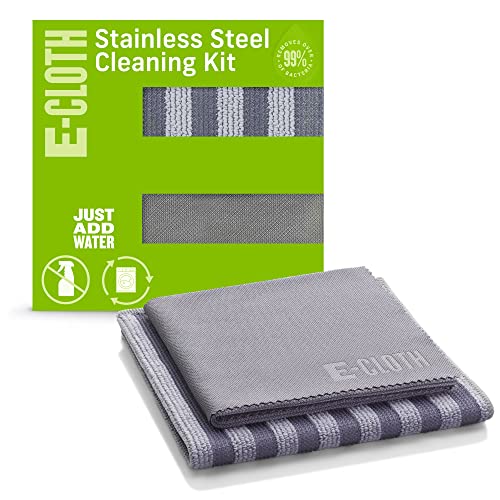
- Appliance cleaning kit for refrigerators with microfiber cloths spray bottle and brush


Before You Start
unplug small appliances and remove items near the fridge to prevent spills. Inspect doors and seals for grime buildup and wipe from top to bottom to avoid recontamination. Test cleaners on a small inconspicuous area first to ensure no discoloration. Allow surfaces to air-dry after cleaning. Plan 15–30 minutes for a standard cleaning, longer for a thorough interior wipe-down.
Step-By-Step: How To Clean A Black Refrigerator Interior And Exterior
- Remove all food and contents from the interior; transfer items to a cooler if needed.
- Dust and wipe the exterior first with a dry microfiber cloth to remove loose lint and fingerprints.
- Mix a mild cleaning solution: warm water with a drop of dish soap or a manufacturer-approved cleaner.
- Moisten a microfiber cloth or the appliance cleaning cloth from the kit and wipe the exterior in smooth, vertical or horizontal strokes.
- For streaks on the doors or handles, use a damp cloth with a light spray and wipe in the direction of the surface grain or along the edges to minimize streaking.
- Use non-abrasive sponge scrub pads to tackle stubborn spots, then rinse the sponge and wipe away any residue with a clean cloth.
- Wipe interior shelves and drawers with a damp cloth, paying attention to corners and seams where spills collect.
- Dry all surfaces with a clean microfiber cloth to prevent water spots, then reassemble the interior and return items to the fridge.
Troubleshooting
| Symptom | Likely Cause | Fix | Prevention |
|---|---|---|---|
| Streaks on black finish | Water or cleaner residue | Wipe with a dry microfiber cloth after damp cleaning | Use minimal dampness; wipe in one direction |
| Fading or dull appearance | Harsh cleaners or abrasive pads | Switch to non-ammonia cleaners and non-abrasive tools | Follow manufacturer guidance for cleaners |
| Sticky shelves | Spills not fully removed | Wash shelves with mild soap and rinse well | Clean spills promptly |
| Foaming cleaner residue | Excess cleaner left behind | Rinse with a fresh damp cloth | Use sparing amounts of cleaner |
Common Mistakes
- Using abrasive pads that scratch black finishes
- Applying cleaners directly onto the surface instead of on the cloth
- Leaving moisture on seals, which can cause buildup or mildew
- Over-wetting interior shelves, leading to water pooling
Tips For Best Results
- Always use microfiber cloths designed for black stainless steel to reduce lint and streaks.
- Wipe in a consistent direction to minimize visible lines on the finish.
- Regularly wipe handles and high-touch areas to prevent fingerprint buildup.
- Dust the exterior weekly to maintain a pristine appearance between deeper cleanings.
Call A Professional
Seek professional help if surfaces are severely scratched, if the finish has peeled, or if the refrigerator shows signs of improper electrical or mechanical issues during cleaning. Stop cleaning immediately and contact a technician if you notice bubbling, warping, or unusual odors around electrical components.
FAQ
Can I use vinegar on a black refrigerator?
Yes, a diluted solution of white vinegar and water can be used on many black finishes, but test first and avoid high concentrations that could affect coatings.
Are there cleaners to avoid for black stainless steel?
Avoid ammonia-based products, bleach, and abrasive cleaners that can dull or scratch the surface.
How do I remove stubborn fingerprints?
Use a microfiber cloth with a small amount of mild soap solution and wipe gently, then buff dry with a clean cloth.
Should I remove drawers during cleaning?
Yes, remove shelves or drawers if possible to clean interior surfaces thoroughly, then dry before reinserting them.
Is it safe to use a spray cleaner directly on black surfaces?
Better to spray onto a cloth first to control the amount and prevent overspray on areas not meant for cleaning.
Buying Guide
When choosing cleaning approaches and products for a black refrigerator, consider size and layout, noise level from the kitchen area, energy efficiency, control features, and placement in the kitchen. A compact cleaning kit with microfiber cloths and a spray bottle fits most households, while a broader proactive approach may include dedicated non-abrasive sponges and specialized appliance sprays. For best results, select tools that are specifically labeled for stainless steel or black finishes to minimize risk of streaks and scratches. Consider whether you need extra brushes for tight corners, or longer handles for easier access inside tall units. Finally, evaluate whether your kitchen setup benefits from a compact kit for quick touch-ups or a more comprehensive kit for deep cleans every few months.
Leave a Reply