How to Get Rid of Pan Stains: Practical Methods for Your Kitchen
Pan stains can build up from cooking oils, sauces, and high heat. With the right approach, most stains lift without harsh chemicals. This article provides a practical, step-by-step method for common cookware finishes, with tool recommendations to make the process easier and safer.
Quick Answer
Low-heat simmering, gentle scrubbing, and baking soda typically remove most pan stains. For stubborn marks, a targeted cleaner or a replacement scrub pad can help. Always start with the mildest method and avoid abrasive actions on delicate surfaces.
What You’ll Need
Before starting, assemble these tools. They cover common pan materials and stain types:
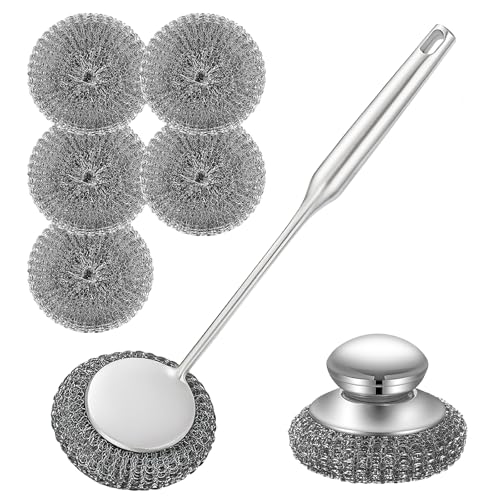
- Stainless steel cookware scrubber with long handle for reach and leverage
- Non-scratch nylon pot and pan scrub pads 4×6 inch to prevent surface damage
- Ergonomic grip pan cleaning brush for burnt-on stains for tough residues
- Soft cloths or sponges
- Dish soap and warm water
- Baking soda and white vinegar
- Optional: lemon halves for fresh scent and minor bleaching effect


Before You Start
Safety and prep help prevent damage and injury. Always check the pan’s manufacturer guidance for heat limits and cleaning compatibility. Protect containers with a soft surface during cleaning to avoid slipping, and never mix reactive cleaners in a single bowl. Allow pans to cool before cleaning to prevent warping or burns. Estimate about 10–30 minutes for light stains, and up to an hour for heavy baked residues.
Step-By-Step: How To Remove Pan Stains
- Fill the pan with warm water and a few drops of dish soap. Let it soak for 10–15 minutes to loosen oils and burnt-on material.
- For light stains, sprinkle baking soda over the wet surface and scrub with a non-scratch nylon pad in circular motions until the stain lifts.
- Use a stainless steel scrubber with long handle for edges and hard-to-reach areas, applying light pressure to avoid scratching.
- If stains persist, create a paste of baking soda and water. Apply and let sit for 10 minutes, then scrub with the nylon pad.
- For burnt-on residues, fill with warm water and add a splash of white vinegar. Simmer gently for 5–10 minutes, then scrub with the ergonomic grip brush to lift the residue.
- Rinse thoroughly with clean water. Dry completely to prevent water spots or rust on certain pans.
- For persistent discoloration, repeat the baking soda paste method or apply a quarter-sized dab of gentle, non-bleach cleaner following the product instructions.
- Finish by wiping with a soft cloth and inspecting for any remaining marks. If needed, repeat the process in the most conservative steps first.
- Season or recondition metal pans after cleaning if recommended by the manufacturer to restore nonstick or protective layers.
- Store pans dry and stacked to minimize future staining, and address spills promptly to reduce buildup.
- If stains return quickly, evaluate cooking methods to reduce scorching, such as lowering heat and using adequate oil or water during cooking.
- For cookware with special finishes, consult care instructions before using metal scrubbing tools to avoid scratching or dulling the surface.
Troubleshooting
| Symptom | Likely Cause | Fix | Prevention |
|---|---|---|---|
| Dark brown staining on stainless steel | High heat and oils baked onto surface | Soak, then scrub with baking soda paste | Lower heat and deglaze during cooking |
| Scratch marks after cleaning | Use of abrasive scrubber on delicate finish | Switch to non-scratch pads and avoid metal tools | Follow manufacturer care guidelines |
| Discoloration near rivets | Residue buildup around seams | Gentle brushing with ergonomic brush and paste | Regular cleaning after use |
| Persistent yellowing on nonstick | Overheating or harsh cleaners | Use mild cleaners and heat control | Stick to manufacturer-recommended products |
| Stains return after washing | Cooking residues quick to re-bond | Clean promptly after cooking and re-season if needed | Ongoing gentle maintenance |
Common Mistakes
- Using abrasive steel wool on nonstick surfaces
- Soaking for too long and causing warp on aluminum pans
- Combining bleach with ammonia or vinegar, which can release harmful fumes
- Ignoring manufacturer care labels, leading to damaged finishes
Tips For Best Results
Consistent, gentle cleaning yields the best outcome. Consider a routine that includes immediate rinse after cooking, a light scrub with a nylon pad, and periodic deep cleaning with baking soda paste. To reach stubborn stains, using a long-handled scrubber reduces hand fatigue and increases control. For seasoned pans, a periodic “re-season” step helps maintain nonstick properties and color.
Call A Professional
Seek professional help if the pan shows deep corrosion, warped bases, or coatings that appear chipped. Stop cleaning and consult a cookware expert if you notice bubbling or unusual odors during cleaning, or if stains cover large areas despite multiple attempts.
FAQ
Can I use vinegar on stainless steel to remove stains?
Yes, white vinegar helps loosen mineral deposits and can brighten stainless steel when used with warm water and gentle scrubbing.
Are non-scratch pads safe for copper pans?
Non-scratch nylon pads are generally safe for copper, but always check the pan’s care instructions as some finishes require softer or specific cleaners.
How often should I deep clean pan interiors?
Deep cleaning every few months or when visible staining appears keeps surfaces performing well.
What should I avoid on nonstick coatings?
Avoid metal tools, high heat, and harsh cleaners that can erode nonstick layers.
Is it okay to soak pans overnight?
Most pans tolerate short soaks, but overnight soaking may damage some finishes or cause rust on certain metals.
What is the best way to re-season a cast iron pan after cleaning?
Lightly oil the surface and heat gradually to form a protective layer, following manufacturer guidance.
Can lemon help remove stains?
Lemons can help with mild acidity and scent, but they are not a universal fix for all stains.
Buying Guide
When selecting tools to maintain clean pans, consider these factors. Size matters for handling large pots and shallow pans; longer handles reduce splashing and improve leverage. Noise level and build quality influence daily use and durability. Energy efficiency isn’t a primary concern for hand cleaning, but a well-made scrubber reduces effort and time. Look for ergonomic grips, non-scratch pads, and materials that won’t scratch your cookware. Placement is important: store tools near the sink for quick access yet safely secured to prevent accidents. Compare sets that include a stainless scrubber, nylon pads, and a dedicated cleaning brush to maximize versatility across pan types.
Leave a Reply