How to Clean Red Snapper
Red snapper is a popular choice for home cooks due to its mild flavor and firm texture. Proper cleaning and filleting maximize yield and ensure a clean, restaurant-quality result. This guide provides a clear, step-by-step method using common kitchen tools to make the process straightforward for American home cooks.
The following sections cover how to prepare, clean, and trim red snapper efficiently, from initial gutting to final fillet preparation. Safety, technique, and practical tips help ensure you get the best possible fish for cooking.
Quick Answer
Best practice: Start with a sharp 7 inch stainless steel fillet knife for fish cleaning, use a fish scaler tool to remove scales, and work on a non-slip cutting board for stability. Debone carefully, rinse with cold water, pat dry, and portion as desired.
What You’ll Need
Gather these essentials before you begin. Having the right tools makes the process faster and cleaner.
- 7 inch stainless steel fillet knife for fish cleaning – a flexible blade helps follow the contours of the fish.
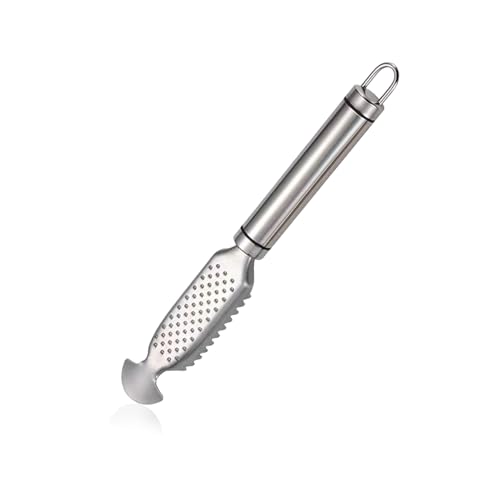
- Fish scaler tool stainless steel fish scale remover – for quickly removing scales from the skin.
- Non-slip cutting board for fish filleting and cleaning – prevents slips and protects countertops.
- Kitchen shears or scissors (optional for fin trimming)
- Clean kitchen towels or paper towels
- Cold water for rinsing
- Fresh lemon (optional) for quick aroma and rinse


Before You Start
Prepare your workspace with a clean, dry surface. Set up the non-slip cutting board on a stable counter or sink area. Have a compostable bag or trash can within reach for organs and guts. Keep fish cold until cleaning, ideally on ice or in a chilled cooler. Time management matters: plan for 15–30 minutes for a single fish, depending on size and your familiarity. Safety notes: always handle knives with a firm grip and cut away from the body to prevent injury. If you notice a strong fish odor or unusual texture, consider pausing to reassess freshness before proceeding.
Step-By-Step: How To Clean Red Snapper
- Rinse and prep: Rinse the whole fish briefly under cold water to remove slime. Pat dry with a clean towel. Secure the fish on the non-slip cutting board with a paper towel under the head end for stability.
- Scale the fish: Hold the fish by the tail and run the fish scaler tool stainless steel fish scale remover from tail to head, applying light pressure. Rinse scales away as you go. Remove scales from both sides until skin feels smooth.
- Remove fins: With kitchen shears or a knife, trim the dorsal fin and tail if desired. This creates clean edges for filleting and makes handling easier during the process.
- Make the first cut: Place the fish on its side. Make a shallow cut just behind the gill plate along the backbone, from the head toward the tail to expose the rib bones.
- Fillet from the backbone: Insert the 7 inch stainless steel fillet knife for fish cleaning at the top of the fish near the dorsal fin. Slice along the backbone, angling the blade slightly downward toward the tail to separate the fillet from the rib cage. Keep the blade as close to the spine as possible to maximize yield.
- Flip and repeat: Turn the fish over and repeat on the other side, working from the head toward the tail. Use long, smooth strokes and keep the knife angled toward the bone to minimize waste.
- Trim and skin (optional): If you prefer skinless fillets, lay the fillet skin-side down and insert the knife between the skin and flesh at the tail end. Hold the skin taut and slide the blade along to separate the skin from the fillet. If you want skin-on fillets, skip this step.
- Debone the fillets: Gently remove any remaining pin bones with a pair of tweezers or pliers. Rinse the fillets briefly and pat dry. Trim any ragged edges for uniform portions.
- Final rinse and pat dry: Give the fillets a light rinse to remove blood or scales, then pat dry with a clean towel. Place the fillets on a clean plate or tray ready for cooking or storage.
- Clean up and sanitize: Rinse tools and cutting board with hot water and mild soap. Sanitize the area to prevent cross-contamination. Dry thoroughly before storing tools.
- Store or cook: If not cooking immediately, refrigerate fillets in a shallow tray covered with plastic wrap or a lid, ideally within two hours of cleaning. For longer storage, freeze fillets in vacuum-sealed bags or airtight containers.
Troubleshooting
| Symptom | Likely Cause | Fix | Prevention |
|---|---|---|---|
| Fillet sticks to blade | Blade dull or improper angle | Resharpen knife; maintain shallow angle | Keep knife sharp; use proper technique |
| Skins tears or skin sticks | Fillet too thin or wrong direction | Angle blade slightly downward; work slowly | Practice with steadier strokes |
| Scales remain after cleaning | Scaler technique not thorough | Re-scan both sides from tail to head | Use consistent, firm pressure |
| Ragged bone splinters | Filleting too close to backbone or rib bones | Follow rib line and spinal edge more carefully | Take your time on each side |
Common Mistakes
- Using a dull knife; it’s harder to separate flesh cleanly
- Rushing through scales and fins, causing tears in fillets
- Cleaning in warm water, which can encourage bacteria growth
- Skimping on safety; not securing the fish on the board
Taking a moment to set up a clean, stable workspace and keeping tools sharp reduces waste and improves results.
Tips For Best Results
- Keep fillets cold during processing to maintain texture and reduce spoilage.
- Use a flexible fillet knife to follow curves along the rib cage and spine.
- Maintain a consistent cutting angle and long, smooth strokes for clean fillets.
- Rinse briefly between steps to remove slime and scale remnants without spreading contamination.
- Label and date frozen fillets to manage storage efficiently.
Call A Professional
Most home cooks can clean red snapper successfully, but seek professional help if the fish smells strongly sour or ammonia-like, if the fillet shows unusual discoloration, or if you encounter difficulty removing bones consistently across multiple fish. Loss of control during filleting or persistent knife injuries are also signs to consult a pro or take a formal cooking class.
FAQ
Can I clean red snapper without removing the skin?
Yes, you can fillet with the skin on, but many prefer skinless fillets for ease of cooking and texture. The skin can be left on during cooking and removed after or not at all depending on the recipe.
What is the best knife for cleaning red snapper?
A 7 inch stainless steel fillet knife offers a balance of control and flexibility for filleting fish like red snapper.
Should I scale the fish before icing it?
Yes, scaling before icing is easier and prevents scales from spreading when cleaning later.
How do I prevent cross-contamination during cleaning?
Keep raw fish separate from other foods, rinse surfaces and tools thoroughly, and sanitize after handling raw fish.
How long do fillets stay fresh in the fridge?
Fillets typically stay fresh for 1–2 days in the refrigerator when stored properly in a sealed container or on ice.
Is freezing safe for red snapper fillets?
Yes. Freeze fillets in airtight packaging to prevent freezer burn and preserve texture.
Buying Guide
When choosing equipment for cleaning red snapper, consider several factors to ensure efficient results and durable performance.
- Knife quality and size: A 7 inch stainless steel fillet knife for fish cleaning provides good control. Look for a high-carbon stainless blade that resists rust and maintains sharpness after repeated use.
- Scalers and scales removal: A sturdy fish scaler tool stainless steel fish scale remover speeds up scaling and reduces mess. Choose a tool with a textured grip and integrated scraper for easy cleanup.
- Work surface: A non-slip cutting board for fish filleting and cleaning minimizes slips and concentrates safety during the process. Consider boards with gum rubber feet for stability and a groove to catch liquids.
- Size and storage: Ensure tools fit your kitchen without overcrowding. For occasional use, mid-range tools balance cost and durability.
- Noise and energy efficiency: Manual tools are silent and energy-free. If you prefer electric options, look for compact, energy-efficient units that aren’t necessary for basic cleaning.
- Controls and handling: Look for comfortable grips and well-balanced weight. A knife with a full tang offers reliability for extended use.
- Placement and setup: Keep tools near the prep area and away from heat sources. A dedicated dish rack or magnetic strip can help with organization.
Thinking through these factors helps you pick a kit that lasts, fits your kitchen, and makes cleaning red snapper straightforward and enjoyable. Would you prefer a minimal setup or a full professional-style kit?
Leave a Reply