Clean Paint Brushes With Vinegar: A Practical Guide
Vinegar offers a simple, non-toxic option for removing water-based paint from brushes. This guide walks through a practical method to use vinegar effectively, helping artists and DIY enthusiasts keep brushes in top condition without harsh chemicals.
Whether you’re cleaning after acrylics, watercolors, or tempera, a careful vinegar-based rinse can reduce stiffness and prolong brush life. The steps below balance ease with efficiency, so brushes stay supple and ready for their next project.
Quick Answer
Use white distilled vinegar as a pre-rinse to loosen paint, followed by a gentle soap wash and a final rinse with clean water. Dry with a soft towel or reshape bristles before storing. This method minimizes odor and avoids harsh solvents while delivering effective cleaning for most water-based paints.
What You’ll Need
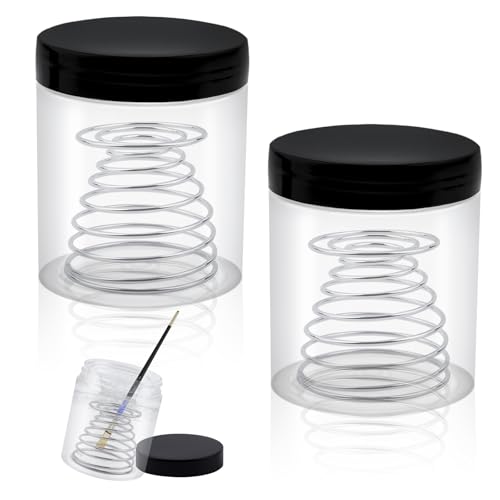
- Paint brush cleaning jar with grid
- Artist paint brush cleaner tub
- Paint brush washing tray with scrubber


Before You Start
Prepare a well-ventilated workspace and protect surfaces with a tray or newspaper. Fill a container with enough white distilled vinegar to cover the bristles you’re cleaning. Keep a separate container of lukewarm water for the final rinse. Time estimates: 10–20 minutes per brush, depending on paint type.
Safety note: Avoid hot water, which can damage pigment adhesion. If you’re cleaning brushes used with oil-based paints, additional solvent steps are required and should be handled outdoors or in a well-ventilated area.
Step-By-Step: How To Clean Paint Brushes With Vinegar
- Remove excess paint by gently squeezing or wiping the brush against the cup rim or a rag.
- Dip the bristles into vinegar and swirl for 15–30 seconds to loosen pigment.
- Gently massage the bristles with the cleaner tub’s soft scrubber or your fingertips to lift paint from the ferrule outward.
- Rinse the brush in lukewarm water, ensuring the water runs clear from the ferrule to the tip.
- If color remains, repeat the vinegar soak for another 30 seconds, then rinse again.
- Apply a small amount of mild soap and work into a lather to remove any residual pigment and vinegar scent.
- Rinse thoroughly under running water until the bristles feel clean and flexible.
- Gently squeeze excess water and reshape the brush tip with your fingers.
- Lay brushes flat or stand upright to air-dry completely before storing, avoiding bristle bending.
- Inspect the brush after drying; if stiffness returns, consider a second light wash or a conditioner applied sparingly to the bristles.
- Store brushes in a clean, dry container or rack away from direct sun and heat sources.
Troubleshooting
| Symptom | Likely Cause | Fix | Prevention |
|---|---|---|---|
| Bristles stay stiff after washing | Dried pigment or improper drying | Repeat vinegar soak and ensure thorough rinsing; reshape and air-dry completely | Clean promptly after use; avoid leaving brushes soaking long term |
| Color streaks reappear after rinse | Old pigment embedded near ferrule | Use a mild brush conditioner or repeat steps focusing near the ferrule | Clean frequently between sessions of heavy pigment use |
| Foul odor remains | Residual organic material | Repeat wash with mild soap and thorough rinse; option to use a citrus-based cleanser | Rinse thoroughly and dry in a well-ventilated area |
| Brushing action feels brittle | Overexposure to water or vinegar | Limit soak time and avoid prolonged exposure; dry properly | Use vinegar only as a quick pre-soak, not a long bath |
Common Mistakes
- Over-soaking brushes in vinegar for long periods
- Using hot water after vinegar, which can damage bristles
- Not rinsing thoroughly, leaving vinegar residue
- Forgetting to reshape bristles before drying
By avoiding these missteps, brushes remain supple, and pigment buildup is minimized, extending the life of your tools.
Tips For Best Results
- Use white distilled vinegar for consistent results and milder scent.
- Follow vinegar with a mild soap and a clear water rinse for best pigment removal.
- Keep brushes in good condition by never drying them sitting on a dirty surface.
- Store brushes horizontally or with bristles upright to maintain shape.
Call A Professional
Rare cases may require professional attention, such as brushes with natural bristles that have shrunk or become permanently misshapen. If bristles fail to recover after multiple cleanings, or if brushes are unusually valuable, seek guidance from a professional art-supply technician.
FAQ
Is vinegar safe for all brush types?
Vinegar is generally safe for water-based paints and synthetic brushes; use caution with natural bristle brushes and oil-based paints.
How long should I soak brushes in vinegar?
A quick pre-soak of 15–30 seconds is usually enough; avoid long soaks to prevent bristle damage.
Can I use vinegar for heavy pigment loads?
Yes, but you may need multiple short soaks and a thorough soap wash afterward.
What if vinegar irritates my senses?
Rinse brushes thoroughly and consider scented-free alternatives or a citrus-based cleaner if needed.
Does vinegar affect brush stiffness permanently?
Typically no when used properly, but improper drying or excessive exposure can lead to stiffness.
Buying Guide
Choosing the right setup for cleaning brushes with vinegar depends on several factors. Consider size, functionality, and how you manage cleanup in your workspace.
Key buying factors include:
- <bSize: A compact jar with grid aids in quick pre-rinses and pigment loosening without crowding your sink.
- <bNoise level: Cup or tub-based cleaning systems are silent, ideal for late-night studios or shared spaces.
- <bEnergy efficiency: Manual cleaning trays and jars require no power, keeping energy use minimal.
- <bControls: Simple lids and grid inserts help separate bristles and keep cleaner contained.
- <bPlacement: A shallow tray fits on a desk or sink edge; tall jars work best for longer brushes.
When evaluating options, compare how well each setup accommodates the brush shapes you use, whether you frequently clean oil-based brushes, and how easy it is to dispose of the used vinegar and any paint residues. For most users, a small paint brush cleaning jar with grid or a compact artist paint brush cleaner tub paired with a paint brush washing tray with scrubber offers a practical balance of ease, cost, and effectiveness.
Leave a Reply