How to Get Rid of Fruit Flies in Your Home
Fruit flies can appear quickly, especially in warm kitchens with ripe produce. This guide provides practical, tested steps to reduce and eliminate fruit fly infestations using common household tools and targeted traps.
Quick Answer
Capture adults fast with a simple vinegar trap, then remove breeding sources like overripe fruit. For persistent problems, combine traps with an integrated approach and consider electronic options for continuous control.
What You’ll Need
- fruit fly trap with apple cider vinegar bait
- sticky fruit fly trap for kitchen
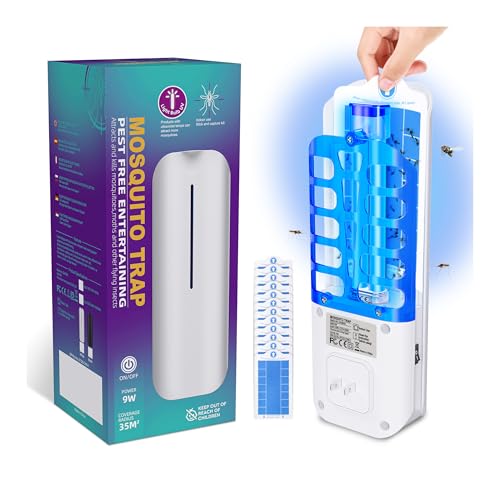
- electric fruit fly killer with UV light

Before You Start
Assess the affected area and identify potential attractants such as exposed fruit, juice spills, and drains. Clear overripe produce, rinse and store fruit promptly, and empty trash cans regularly. Schedule time for a thorough clean-up and trapping session. Safety note: keep traps out of reach of children and pets. Expect results within 1–2 weeks with consistent effort.
Step-By-Step: How To Get Rid Of Fruit Flies
- Place a fruit fly trap with apple cider vinegar bait near known fruit fly hotspots, such as the countertop or sink.
- Fill a small jar with apple cider vinegar and add a few drops of dish soap to break surface tension, then cover with a paper cone to trap entering flies.
- Set up a sticky fruit fly trap for kitchen along the edge of counters and under cabinets where flies rest.
- Turn on an electric fruit fly killer with UV light in the kitchen or dining area to reduce adult flies day and night.
- Clean drains with a stiff brush and hot water or a drain cleaner, as many flies breed in moist, organic debris in drains.
- Seal cracks and crevices where fruit flies could hide; replace spoiled fruit and minimize standing water.
- Rotate traps if a plug-in trap becomes less effective, and relocate them to high-traffic areas for better capture.
- Continue traps for at least 7–14 days, then reassess and remove excess attractants to prevent a rebound.
- Implement a routine cleaning schedule: wipe surfaces, take out trash, and store produce in sealed containers to reduce re-infestation.
- Monitor results and maintain a minimal number of traps to avoid crowding, ensuring the area remains unwelcoming to fruit flies.
- If the infestation persists, consider expanding electronic devices or consulting a pest professional for targeted interventions.
Troubleshooting
| Symptom | Likely Cause | Fix | Prevention |
|---|---|---|---|
| Few flies remain after setup | Trap placement suboptimal | Reposition traps near entry points and breeding spots | Maintain clean surfaces and sealed produce |
| Traps fill quickly but flies return later | Breeding sources still present | Remove overripe fruit and sanitize drains | Regular sanitation routine |
| No improvement after 5–7 days | Large infestation or hidden breeding sites | Add additional traps, check cellar or pantry | Inspect for standing water and damp areas |
| UV trap not drawing flies | Light placed far from activity area | Move closer to fruiting areas | Keep room lighting balanced to attract insects |
Common Mistakes
- Using traps without addressing food sources or trash.
- Placing traps too far from the infestation zone.
- Relying on a single trap type for a widespread problem.
- Neglecting drain sanitation and fruit storage practices.
- Ignoring safety guidelines around pets and children when using electronic devices.
Tips For Best Results
- Place multiple trap types to cover different fly behaviors—attractants on counters and resting points under cabinets.
- Label and rotate traps to avoid saturation and to keep bugs moving toward the bait.
- Keep the kitchen dry and wipe spills promptly to reduce attractants.
- Store produce in sealed containers and refrigerate items when possible.
- Complement traps with routine deep cleaning of drains and garbage areas.
Call A Professional
Seek expert help if the problem remains after 2–3 weeks of consistent trapping and sanitation, or if the infestation seems widespread beyond the kitchen. Contact a licensed pest control professional when you notice signs of breeding in wall voids, under flooring, or in commercial settings where large populations may occur.
FAQ
What attracts fruit flies the most?
Ripened fruit, sugary liquids, and damp organic matter attract fruit flies, especially near sinks and garbage areas.
How long do fruit fly traps take to work?
Traps typically begin reducing numbers within a few days, with more significant results over 1–2 weeks.
Can I reuse traps after cleaning?
Yes, many traps can be reused after washing; replace bait or attractants as needed.
Are electricity-based traps safe around children and pets?
Yes when used as instructed, but keep devices out of reach and follow manufacturer safety guidelines.
Buying Guide
When choosing tools to combat fruit flies, consider how each device fits your space and routine. Size matters for compact kitchens, while noise and energy use influence long-term comfort. Look for dependable bait options, durability, and ease of cleaning. For larger homes or ongoing issues, combining methods often yields the best results. Here are factors to weigh:
- Size and placement: Compact traps work for countertops, while wall-plug units cover broader areas.
- Noise level: Some electric traps run quietly; others emit noticeable hum. Choose based on room use.
- Energy efficiency: Low-power devices reduce running costs with continuous use.
- Controls and maintenance: Simple on/off controls and easy-clean components save time.
- Effectiveness: A combination of vinegar traps, sticky traps, and UV-based units often works best.
Consider the layout of your kitchen, frequency of fruit fly sightings, and whether you prefer chemical attractants or physical traps. For small apartments, a few well-placed traps paired with diligent cleaning may suffice; in larger homes, a multi-method approach tends to be more effective. If you have pets or small children, prioritize safety features and non-toxic attractants. If you’re unsure which setup matches your situation, start with a basic kit and expand as needed to tailor the system to your space.
Leave a Reply