How to Get Rid of Yellow Spots on Grass
Yellow spots on a lawn can be caused by a range of issues, from nutrient deficiencies to compacted soil or disease. A structured approach helps identify the cause and restore lush, green turf. This guide walks through practical steps, the right tools, and common fixes for American lawns.
Quick Answer
Begin with a soil test to determine nutrient gaps, then apply targeted amendments and overseed any sparse areas. Use a lawn fertilizer spreader for even distribution and aerate compacted soil to improve root growth. Regular monitoring helps catch problems before they spread.
What You’ll Need
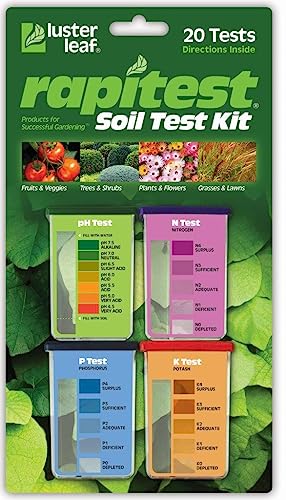
- Soil test kit for lawns
- Lawn fertilizer spreader
- Lawn aerator tool
- Quality lawn fertilizer or amendments recommended by the soil test
- Rake or dethatcher (optional for thatch issues)
- Knee pads or a small pad for comfort during weeding and seeding


Before You Start
Assess the area and plan a recovery window of 2–6 weeks, depending on grass type and climate. Wear gloves and eye protection when handling fertilizers or pesticides. Identify whether yellowing is patchy or widespread, which guides whether to focus on soil, watering, or disease management. Test the soil to determine pH and nutrient levels, then follow the recommended amendments from the results.
Step-By-Step: How To Get Rid Of Yellow Spots On Grass
- Conduct a quick visual check to distinguish symptoms: yellowing can indicate nitrogen deficiency, iron chlorosis, overwatering, or disease.
- Test the soil using a soil test kit for lawns to measure pH and nutrient levels; note any major gaps mentioned by the kit’s instructions.
- Apply the recommended amendments based on the soil test, such as a balanced nitrogen fertilizer for deficient areas, using a lawn fertilizer spreader for even coverage.
- Lightly aerate compacted soil with a lawn aerator tool to improve root oxygen access, especially in high-traffic or clay soils.
- Water deeply but infrequently after amendments; aim for 1 inch of water per week, adjusting for rainfall and heat stress.
- Rake lightly to remove thatch buildup if present, then overseed yellowed patches with appropriate grass seed for your region and sun exposure.
- Keep the area consistently moist during germination and establishment, using a light hand-watering schedule until new growth appears.
- Monitor for signs of disease or pests; treat promptly using site-appropriate methods if symptoms persist beyond 2–3 weeks.
- Recheck soil conditions after 4–6 weeks and repeat feeding or aeration if yellowing recurs, adjusting care based on weather and growth rate.
- Establish a routine lawn care plan that includes seasonal fertilization, aeration, and occasional soil testing to prevent future yellow spots.
- Document changes by noting which treatments produced improvement, helping refine future maintenance decisions.
Troubleshooting
| Symptom | Likely Cause | Fix | Prevention |
|---|---|---|---|
| Bright yellow patches after watering | Iron deficiency or high soil pH | Apply soil iron chelate if recommended; adjust lime/aluminum balance | Test pH and maintain appropriate pH range for grass |
| Yellow with narrow green veins | Nitrogen deficiency | Apply a balanced nitrogen-rich fertilizer as directed | Maintain even feeding schedule with a spreader |
| Patchy yellowing in high-traffic areas | Soil compaction | Aerate and reseed | Reduce traffic or use stepping stones in busy zones |
| Yellow spots spreading slowly | Fungal disease | Follow labeled fungicide guidelines if approved; improve air circulation | Avoid overhead watering late in the day |
Common Mistakes
- Over-watering or under-watering after treatment; both can stress grass and prolong yellowing.
- Applying fertilizer at incorrect rates or times; follow the soil test and product directions.
- Avoiding soil tests, leading to guesswork about nutrient needs.
- Mowing too short after reseeding; this hinders seedling establishment.
Tips For Best Results
- Test soil before any major amendments to tailor treatments to your lawn’s needs.
- Use the lawn fertilizer spreader for even product distribution and to minimize burn risk.
- Aerate every season if your soil is compacted or has thatch buildup.
- Seasonal mowing height supports root health and shade tolerance.
- Water early in the day to reduce disease risk and improve absorption.
Call A Professional
When yellow spots persist despite proper testing and treatment, or if you suspect disease, pests, or complex soil problems, consult a lawn care professional. Seek urgent help if you notice widespread thinning, significant brown patches, or unusual growth patterns that do not respond to standard care.
FAQ
Can a soil test kit for lawns diagnose all lawn problems?
A soil test identifies pH and key nutrients, but it may not detect disease or pests; use test results alongside visual assessment for a complete plan.
How often should I aerate my lawn?
In most lawns, aeration once a year is beneficial, especially for compacted soils or heavy traffic areas.
Is overseeding necessary after yellow patches?
Overseeding helps fill thin or bare spots and accelerates recovery, particularly in cool-season grasses.
When is the best time to fertilize after soil testing?
Follow the soil test recommendations, typically in the active growing season for your grass type.
Buying Guide
Choosing the right tools and products supports effective recovery of yellow spots on grass. Here are buying factors to consider:
- Size and coverage: Select a lawn fertilizer spreader that fits your lawn size and area shape to ensure even application.
- Soil test kit quality: Look for trusted, easy-to-use kits with clear instructions and reliable return results.
- Aeration equipment: A lawn aerator tool with durable tines and easy maneuverability suits varying soil textures.
- Fertilizer type and timing: Choose a product aligned with your soil test results and local climate; consider slow-release options for steady feeding.
- Noise and disruption: Some tools are louder than others; plan usage around quiet hours in neighborhoods.
- Placement and storage: Store tools in a dry, accessible space; ensure spreader parts are clean and calibrated.
- Energy efficiency and maintenance: Reputable brands offer durable parts and straightforward maintenance scheduling.
Leave a Reply