How to Clean Shower Curtain Rings
Shower curtain rings can accumulate soap scum, mineral deposits, and mildew over time, especially in homes with hard water. Proper cleaning restores their shine and helps prevent ring degradation. This guide outlines a practical, step-by-step approach using common bathroom tools to keep rings looking fresh and functioning smoothly.
The goal is to remove buildup without damaging the rings or the curtain. Regular maintenance, along with a thorough cleaning every few months, is typically sufficient for most households. The steps below focus on ease, safety, and effective cleaning with readily available supplies.
Quick Answer
What you’ll do: Remove the curtain, soak rings in warm soapy water, scrub with a dedicated brush, rinse, dry, and rehang. Use a microfiber cloth to wipe and a stainless steel bathroom cleaning brush for stubborn spots. Regular upkeep prevents heavy buildup.
What You’ll Need
- Shower curtain ring cleaning brush
- Stainless steel bathroom cleaning brush for shower rings
- Microfiber cloth for cleaning shower curtain rings

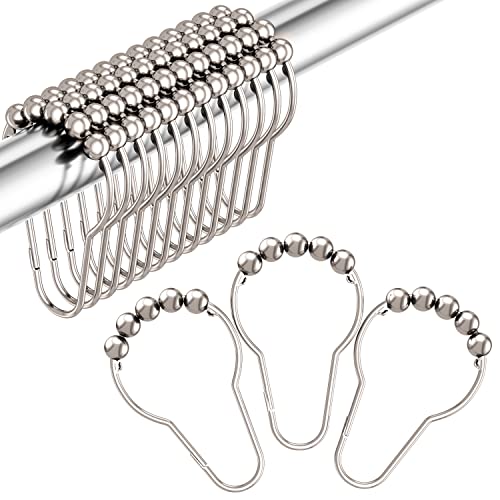
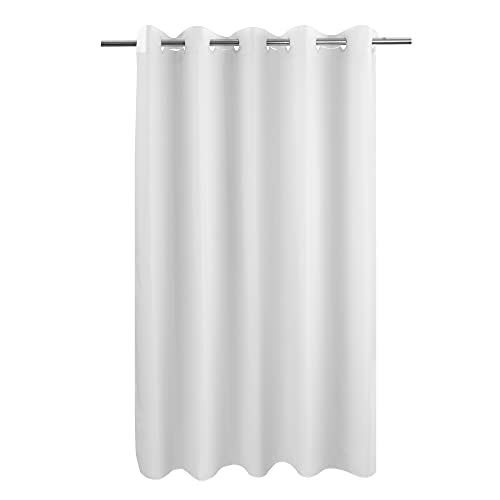
Before You Start
Clear the shower area and remove the curtain and rings. Protect the floor with towels to catch drips. Use warm water and a mild cleaning solution to avoid ring discoloration or corrosion. Avoid harsh abrasives on plated or painted rings. Time estimate: 15–30 minutes for a standard setup; longer for heavy buildup.
Step-By-Step: How To Clean Shower Curtain Rings
- Take down the shower curtain and lay it flat to avoid snags.
- Place rings in a basin or tub with warm water and a few drops of mild dish soap.
- Soak for 10–15 minutes to loosen soap scum and mineral deposits.
- Remove rings and scrub each ring with the shower curtain ring cleaning brush, focusing on grooves and joints.
- For stubborn spots, use the stainless steel bathroom cleaning brush for targeted scrubbing, applying gentle pressure.
- Rinse rings under warm running water, ensuring all soap residue is removed.
- Dry rings thoroughly with a microfiber cloth to prevent water spots and corrosion.
- Wipe the curtain rings’ track or rod area with a damp microfiber cloth to remove any residue.
- Rehang the curtain and rings, ensuring smooth sliding along the rod.
- Inspect the rings for any signs of wear; replace damaged rings to maintain curtain function.
- Establish a regular cleaning schedule to keep buildup minimal between deep cleans.
Troubleshooting
| Symptom | Likely Cause | Fix | Prevention |
|---|---|---|---|
| Rings stick or snag on rod | Soap scum in grooves | Thorough scrub with a dedicated brush | Clean monthly to prevent buildup |
| Rings appear dull or discolored | Mineral deposits or rust | Use a mild cleaner and scrub; replace if rusting persists | Dry rings after cleaning |
| Streaks after drying | Hard-water mineral residue | Rinse well and dry with microfiber | Wipe with microfiber after each shower |
| All rings corroded | Age or coating wear | Replace with corrosion-resistant rings | Avoid abrasive cleaners on coatings |
Common Mistakes
- Using abrasive brushes or harsh cleaners on coated rings, which can scratch and wear the finish.
- Neglecting to dry rings after cleaning, inviting mineral buildup and rust.
- Soaking for too long, which can loosen finishes or degrade certain ring materials.
- Forgetting to clean the curtain rod track, leaving residue that causes sticking.
Tips For Best Results
- Run a quick rinse with plain water after any cleaning to remove residual soap.
- For hard water areas, consider a gentle descaling routine every few months.
- Use microfiber cloths for a streak-free finish and faster drying.
- Coordinate cleaning with a fresh curtain change if the fabric shows wear or mildew beyond routine cleaning.
Call A Professional
Consider professional help if rings are severely corroded, bent, or if the curtain rod is damaged or difficult to realign. Signs to seek expert assistance include persistent sticking after cleaning, unusual noises during movement, or structural instability of the rod.
FAQ
Can I clean shower curtain rings in the dishwasher?
Most metal rings are not dishwasher-safe due to high heat and detergents; hand cleaning is recommended.
How often should I clean shower curtain rings?
Clean rings every 1–3 months, with a deeper clean every 3–6 months depending on usage and water hardness.
Will vinegar help remove mineral buildup?
Yes, a diluted vinegar solution can help break down mineral deposits; rinse well to avoid residue.
Are there rust-resistant ring options?
Look for rings labeled stainless steel or rust-resistant coatings for longevity in moist bathrooms.
Buying Guide
When choosing shower curtain rings and related cleaning tools, consider size, material, and compatibility with your rod type. A practical kit may include a dedicated shower curtain ring cleaning brush, a stainless steel bathroom cleaning brush for shower rings, and a microfiber cloth for final polish. Evaluate whether your rings are plastic, metal, or coated, as this affects the choice of cleaners and care method. For bathrooms with hard water, prioritize tools that resist mineral buildup and rust. Think about maintenance frequency and choose durable, easy-to-clean options that fit your shower configuration.
Leave a Reply