How to Clean Old Carpet for a Fresh, Interior-Grade Look
Old carpets can harbor dirt, allergens, and odors that linger after routine vacuuming. A thorough clean using the right tools can restore color vibrancy, lift embedded grime, and improve indoor air quality. This guide walks through practical techniques suitable for typical home use in the United States.
Whether your carpet shows years of wear or stubborn spots, a methodical approach helps you achieve professional-level results without renting equipment. The steps below emphasize safety, efficiency, and maintaining carpet fibers so the cleaning process doesn’t cause damage.
Quick Answer
Use targeted cleaning sessions with a dedicated upright carpet cleaner machine that uses hot water extraction, or a steam carpet cleaner with a detachable hand tool for tight spots. Treat tough stains first with a carpet stain remover kit, then finish with thorough rinsing and air-drying to prevent residue buildup.
What You’ll Need
- Upright carpet cleaner machine with hot water extraction
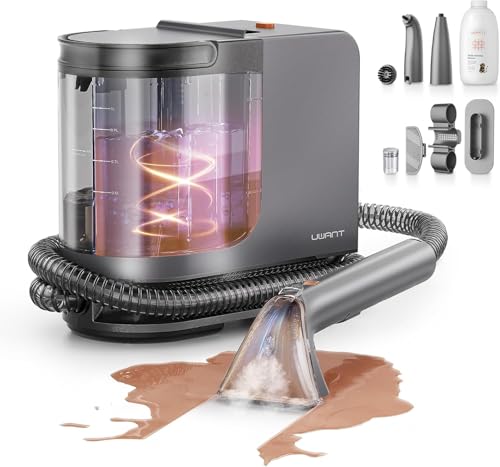
- Steam carpet cleaner with detachable hand tool
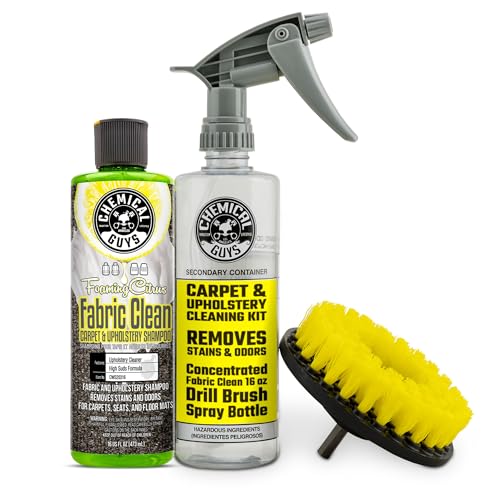
- Carpet stain remover kit with spray bottle and scrub brush
- Mild carpet cleaning solution appropriate for synthetic fibers
- Clean white towels or cloths for blotting
- White vinegar (optional, for odor control)
- Water supply and a clean storage space for equipment

Before You Start
This project works best on dry, stain-free carpet to prevent dye bleed and pad damage. Read manufacturer instructions for any cleaning machine you plan to use, and test a small, inconspicuous area before full application. Wear protective gloves and ensure the room is well ventilated.
Time estimate: 1.5–3 hours, depending on room size and drying time. Plan for several hours of drying; avoid heavy foot traffic until fully dry to prevent new stains.
Step-By-Step: How To Clean Old Carpet
- Move furniture and vacuum thoroughly to remove loose soil from high-traffic areas. Use a vacuum with strong suction and a motorized head for best results.
- Spot-treat persistent stains with a carpet stain remover kit. Apply as directed, then blot with a clean cloth to lift the stain without rubbing harshly.
- Pre-wash the carpet with warm water and the mild cleaning solution in your chosen machine. Follow the manufacturer’s dilution guidelines for safe use on synthetic or natural fibers.
- Run the upright or portable cleaner over fresh cleaner sections in overlapping passes. The machine’s suction extracts dirty water, leaving the carpet moister than after traditional washing but drier than rinsing in place.
- Target edges and tight spaces with the detachable steam hand tool. Use a brush head to loosen embedded soil along baseboards and borders.
- Rinse and repeat as needed, especially for areas with heavy staining or pet odors. A second pass helps flush out residual cleaning agents.
- Allow quick-drying areas to air out for at least 2–4 hours. Open windows or use a fan to speed the process and minimize drying time.
- Final vacuum once the carpet is dry to lift the fibers and remove any remaining debris or loose dirt clumps.
Troubleshooting
| Symptom | Likely Cause | Fix | Prevention |
|---|---|---|---|
| Sticky residue after cleaning | Overuse of cleaner or insufficient rinsing | Rinse with clean water and run a dry pass | Follow dilution guidelines; use recommended rinse method |
| Streaks or uneven color | Uneven application or fiber damage | Evenly distribute cleaner; test colorfast area | Use appropriate cleaner for carpet type |
| Smell persists after drying | Odor trapped in padding | Use odor-neutralizing spray and improve ventilation | Address spills promptly; consider professional padding assessment |
| Rapid re-soiling | Residue left behind attracts dirt | Extra rinse and thorough vacuuming | Rinse thoroughly; use low-residue products |
Common Mistakes
- Using too much cleaning solution that leaves residues
- Over-wetting carpet, causing long drying times or mold risk
- Skipping a colorfast test, which can lead to dye bleed
- Not drying the carpet completely before reoccupying space
Avoid these pitfalls by following manufacturer guidelines and applying cleaning solutions conservatively.
Tips For Best Results
- Test cleaners on a hidden corner to ensure color stability
- Work in sections to maintain consistent cleaning and drying
- Use warm water—not hot—to protect fiber integrity
- Combine with odor control products for fragrance-neutral or fresh results
- Regular maintenance cleaning can extend carpet life between deep cleanings
Call A Professional
Consider hiring a pro if: the carpet is water-damaged, has visible mold, or shows widespread staining beyond typical household soil. Stop cleaning and consult a specialist if you notice dye bleeding, persistent odors, or padding damage that may require replacement.
FAQ
Can I clean old carpet with a home steam cleaner?
Yes, a steam cleaner with a detachable hand tool can handle many stains, but test first and avoid over-wetting.
How long does it take for carpet to dry after a deep clean?
Typically 2–6 hours depending on humidity, ventilation, and carpet thickness.
Should I use hot water extraction for old carpet?
Hot water extraction is effective for deep cleaning and moisture removal when used correctly.
Are carpet cleaning solutions safe for kids and pets?
Choose cleaners labeled for homes with children and pets and rinse thoroughly to minimize residues.
Buying Guide
When selecting cleaning equipment and accessories, consider how often you clean, carpet type, and room size. Key factors include size and maneuverability of the machine, noise level during operation, energy efficiency, and available controls. For most households, an upright carpet cleaner machine with hot water extraction provides strong soil removal and efficient drying, while a steam cleaner with a detachable hand tool offers focused spot cleaning. Look for tools compatible with common carpet fibers and an included stain remover kit for quick treatment of spots. Consider placement in storage areas that remain dry and accessible for easy maintenance.
Leave a Reply