How to Clean Earrings Safely and Effectively
Cleaning earrings regularly helps maintain their sparkle and prevent skin irritation. This guide outlines simple, safe methods that work for a wide range of materials, with practical steps you can follow at home using common tools and a few specialized products. The focus is on protecting delicate surfaces while removing oils, tarnish, and residue from daily wear.
Readers will find quick, actionable advice, plus detailed steps and troubleshooting to handle common issues like dullness, buildup, or minor scratches. The method prioritizes gentle cleaning, proper drying, and storage to extend the life of beloved earrings.
Quick Answer
For most earrings, start with a gentle soak in warm water and a mild dish soap, then rinse and dry thoroughly. Use an ultrasonic cleaner for stubborn grime only if the item is marked safe for ultrasonic waves. Finish with a microfiber cloth to buff to a shine. If tarnish is present, a dedicated jewelry cleaning kit or sterling silver cleaner can help without damaging stones or settings.
What You’ll Need
- Ultrasonic jewelry cleaner for earrings
- Earring cleaning kit with solution brush microfiber cloth
- Sterling silver jewelry cleaning kit for earrings
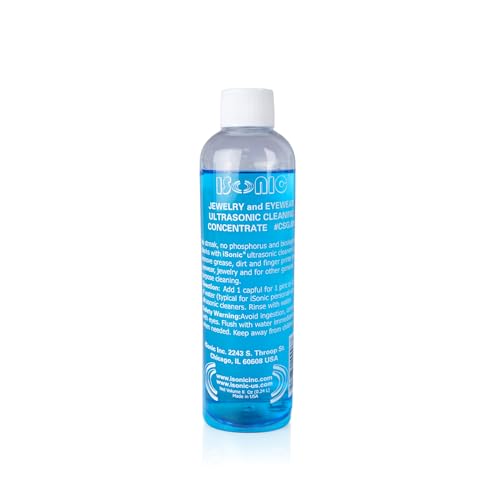 |
iSonic CSGJ01-8OZx1 Ultrasonic Jewelry/Eye Wear Cleaning Solution Concentrate,Blue | |
 |
CONNOISSEURS All-Purpose Jewelry Cleaning Kit – Includes Delicate Jewelry Cleaner Solution and 2 Polishing Cloths |
Before You Start
Inspect each earring for loose stones, damaged clasps, or fragile components. Use low heat, gentle solutions, and soft brushes to avoid scratching. Always check manufacturer guidance on materials like pearls, opals, or opalescent stones, which may require special care. Plan time for drying to prevent moisture from causing tarnish or corrosion. Typical prep time: 5–10 minutes; cleaning time: 5–20 minutes depending on buildup.
Step-By-Step: How To Clean Earrings
- Remove earrings carefully and lay them on a clean, soft cloth to prevent drops or tumbles during cleaning.
- Prepare a cleaning solution: mix warm water with a few drops of mild dish soap in a small bowl. Ensure the water is not hot enough to damage stones or settings.
- Dip a soft brush or microfiber cloth into the solution and gently wipe the metal surfaces and settings. Avoid scrubbing hard on stones with delicate settings.
- For stubborn buildup, use an ultrasonic jewelry cleaner for earrings. Submerge only if the earrings and stones are rated safe for ultrasonic cleaning; otherwise skip this step.
- Rinse each piece under lukewarm running water to remove any soap residue, paying special attention to the back of the earring where grime can accumulate.
- Pat dry with a clean, lint-free microfiber cloth. Let the earrings air-dry completely before wearing or storing to prevent moisture trapped in settings.
- If tarnish is present, apply a small amount of sterling silver cleaner or a dedicated jewelry cleaning kit for earrings following the product’s instructions. Rinse thoroughly and dry.
- Inspect again for any remaining residue or loose stones. Store in a dry, padded container to protect from scratches and humidity.
Troubleshooting
| Symptom | Likely Cause | Fix | Prevention |
|---|---|---|---|
| Dull appearance after cleaning | Residue left on surfaces | Re-clean with a fresh solution and microfiber cloth, ensuring complete rinsing | Rinse well; dry fully |
| Stones look cloudy | Soap or water trapped around settings | Soak briefly in distilled water and dry with lint-free cloth | Avoid soaking if stones are porous or poorly set |
| Metal tarnishes quickly after cleaning | Exposure to moisture or air in storage | Dry completely and store in an airtight container or anti-tarnish pouch | Use anti-tarnish storage when possible |
| Loose earring back or posts | Wear and tear; worn threads | Have a jeweler tighten or replace parts | Inspect regularly, handle gently |
Common Mistakes
- Using harsh chemicals or abrasive cleaners on delicate earrings
- Soaking jewelry with soft stones (like opals or pearls) for too long
- Rubbing aggressively, which can scratch metal or loosen stones
- Skipping thorough drying, inviting water-related tarnish or corrosion
To avoid these issues, follow gentle cleaning steps and tailor the method to your earrings’ materials and settings.
Tips For Best Results
- Test a small inconspicuous area first when using new cleaners or kits.
- Use a dedicated microfiber cloth for final polishing to prevent lint or oils from transferring.
- Clean earrings after activities that expose them to sweat or lotions to minimize buildup.
- Store pieces separately to prevent tangling and scratching, especially for earrings with gemstone dangles.
- Label storage with a quick note of material care if you wear multiple metals or stones.
Call A Professional
Seek professional help if you notice any of the following: loose stones or broken settings, weakened clasps, cracks in metal, or discoloration that does not respond to cleaning. Do not attempt repairs at home, as DIY fixes can cause further damage or void warranties. Seek a jeweler who specializes in the type of material your earrings are made from.
FAQ
Can I use an ultrasonic cleaner for all earrings?
Not always. Ultrasonic cleaners are safe for many metal-based earrings, but stones like opals, pearls, or soft gemstones may be damaged. Check the manufacturer’s guidelines before use.
How often should I clean my earrings?
Clean earrings every few weeks with routine wear, or more often if you wear them daily or inactive areas with lotion or sweat buildup.
What is the best cloth for drying earrings?
Use a clean, lint-free microfiber cloth to prevent scratches and remove remaining moisture.
Should I use toothpaste to clean earrings?
No. Toothpaste can be abrasive and scratch metal or stones. Use approved jewelry cleaners or mild soap and water.
Is it safe to wear earrings right after cleaning?
Yes, once they are completely dry and free of residues, it is safe to wear.
How can I remove tarnish from sterling silver earrings?
A dedicated sterling silver cleaner or a silver polishing cloth can restore shine; follow product directions and rinse well.
What if a cleaning kit doesn’t include a brush?
Use a very soft brush, such as a new toothbrush with soft bristles, or a microfiber cloth to prevent scratches.
Buying Guide
When choosing gear to clean earrings, consider factors like size, noise level, energy efficiency, control options, and placement. A compact ultrasonic cleaner can handle multiple pieces at once, while a dedicated earring cleaning kit offers pre-measured solutions and soft brushes for safe use. For silver-focused care, a sterling silver cleaning kit simplifies tarnish removal. If you prefer minimal equipment, a simple bowl with warm soapy water plus a microfiber cloth may suffice for routine maintenance. Think about where you’ll perform cleaning—if it’s a small apartment, a quiet, low-energy model is advantageous. Lastly, ensure the kit and cleaner are safe for your specific earring materials and stones, especially delicate or gem-bearing pieces.
Leave a Reply