How to Keep Stainless Steel Appliances Clean
Stainless steel appliances add a modern, polished look to kitchens and laundry rooms. Proper cleaning not only preserves shine but also protects finishes from wear and tear. This guide walks through practical steps, tested products, and tips to keep stainless surfaces streak-free and spotless.
By following a regular cleaning routine, homeowners can minimize smudges, fingerprints, and water spots while extending the life of finishes on refrigerators, dishwashers, ovens, and more.
Quick Answer
Best approach: Use a dedicated stainless steel cleaner spray for appliances and a microfiber polishing kit for best results. Wipe with the grain, buff to a mirror finish, and finish with streak-free appliance wipes for touch-ups.
What You’ll Need
- Stainless steel cleaner spray for appliances – formulated to cut grease and leave a protective film
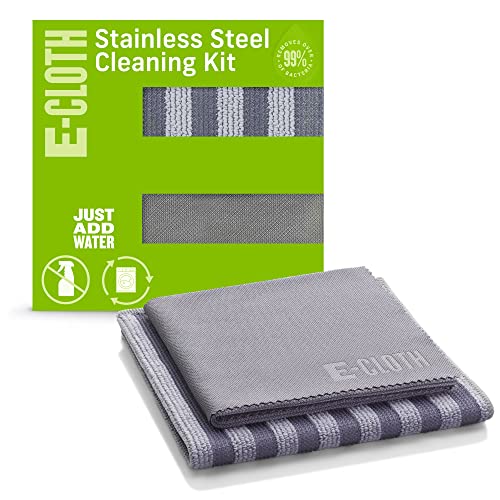
- Microfiber cloths stainless steel polishing kit – for dusting, cleaning, and buffing
- Streak-free stainless steel appliance wipes – convenient for quick touch-ups
- Sprayer or spray bottle (if your cleaner isn’t pre-mixed)
- Soft, non-abrasive sponge or pad
- Water and mild dish soap (for initial degreasing if needed)


Before You Start
Prepare a small, clear workspace near the appliance. Protect nearby surfaces and handles with a microfiber cloth or painter’s tape if you’re working with spray cleaners. Test any cleaner on a hidden area first to ensure no discoloration. Allow surfaces to dry completely before touching or loading items onto shelves.
Estimated time: about 15–30 minutes for a typical full-clean of several appliances. If using wax-based protectants, plan for an extra minute or two per surface to buff evenly.
Step-By-Step: How To Clean Stainless Steel Appliances
- Remove loose dust: Wipe surfaces with a dry microfiber cloth to lift dust and light particles.
- Apply cleaner: Lightly spray the stainless steel cleaner spray for appliances onto a microfiber cloth, not directly onto the surface to avoid overspray on nearby controls.
- Wipe with the grain: Clean in the direction of the stainless grain to minimize streaks and restore uniform reflection.
- Address fingerprints: For stubborn fingerprints, apply a second light pass with a fresh cloth and gentle pressure.
- Buff to a shine: Use a dry, clean microfiber cloth to buff surfaces in short, circular motions for a polished finish.
- Disinfect and refresh: If needed, wipe down with streak-free stainless steel appliance wipes, then buff again to remove any residue.
- Polish chrome and edges: Don’t neglect handles, trim, and edges; use a small amount of cleaner on a cloth and dry thoroughly.
- Spot-clean stubborn stains: For grime that won’t budge, dampen a cloth with a mild soap solution, rinse, then re-clean and buff dry.
- Maintain the finish: Periodically apply a light coat of cleaner to protect the surface; wipe evenly and evenly buff.
- Touch-up routine: Keep streak-free stainless steel appliance wipes handy for quick daily touch-ups and during meal prep cleanup.
- Final check: Inspect for streaks, re-buff any hazy areas, and ensure all surfaces are fully dry before use.
Troubleshooting
| Symptom | Likely Cause | Fix | Prevention |
|---|---|---|---|
| Streaks after cleaning | Residue from cleaner or hard water | Wipe with a fresh microfiber cloth dampened with water, then buff dry | Use distilled water for sprays; wipe with grain direction |
| Fingerprints reappearing quickly | Overly greasy residue or protective film wearing off | Re-clean with cleaner spray, followed by buffing | Apply a light protective coat per product instructions |
| Scratches or dull spots | Abrasive pad or aggressive scrubbing | Switch to non-abrasive cloths; avoid rough scrubbing | Use soft cloths and proper technique |
| Streaks around handles | Residue transferred from hands | Spot-clean with wipes designed for stainless steel | Regularly wipe handles after cooking |
Common Mistakes
- Using abrasive pads or scouring powders on stainless surfaces
- Spraying cleaner directly onto controls or gauges
- Neglecting to dry surfaces completely, causing water spots
- Overusing wax-based products that leave a residue
Tips For Best Results
- Clean from top to bottom to prevent dust falling onto cleaned areas
- Dust with a microfiber cloth before applying any cleaner for easier results
- Choose a cleaner that’s specifically labeled for appliances to protect coatings
- Test new products on a hidden area first
- Use a polishing kit after cleaning to maintain a consistent shine
Call A Professional
Consider a pro if you notice persistent cloudiness, deep scratches, or discoloration that doesn’t respond to routine cleaning. Seek professional help for damaged finishes, cracked enamel, or if you suspect a protective coating has degraded. When in doubt about product compatibility with your appliance brand, consult the manufacturer’s care guidelines.
FAQ
What’s the best way to remove water spots on stainless steel?
Wipe with a microfiber cloth dampened with distilled water, then buff dry using a clean, dry cloth.
Can I use vinegar to clean stainless steel appliances?
Vinegar can be effective in small amounts, but test first and avoid prolonged exposure on certain finishes; use dedicated stainless cleaner for best results.
How often should I clean stainless steel appliances?
Wipe down weekly to remove fingerprints and splatters; deep-clean monthly or as needed.
Are there safer alternatives to chemical cleaners?
Plain water and mild soap can work for light cleaning, but dedicated stainless steel cleaners provide protection and shine.
Do cleaning products affect the warranty?
Some warranties require use of approved cleaners; consult your appliance manual for care guidelines.
Buying Guide
When selecting cleaning products for stainless steel appliances, consider size, finish, and convenience. Key factors include:
- <bSize and packaging: Choose a spray bottle size that fits your cleaning cadence and cabinet space.
- <bNoise level and ease of use: Simple spray-and-wipe routines reduce noise and effort.
- <bEnergy efficiency not directly affected by cleaners, but a clean surface helps you spot issues early with energy-use indicators.
- <bControls and compatibility: Ensure cleaners won’t degrade seals or protective coatings on handles and trim.
- <bPlacement and storage: Store cleaners away from heat sources and out of reach of children.
For a balanced setup, pair the dedicated stainless steel cleaner spray for appliances with a microfiber cloths stainless steel polishing kit for routine maintenance, and keep streak-free stainless steel appliance wipes on hand for quick touch-ups. This combination supports a consistent, streak-free finish across all stainless surfaces in the home.
Leave a Reply