How to Get Rid of Yellow Stains on White Shoes
White sneakers look fresh and versatile, but yellowing stains can dull their appearance. This guide outlines practical, safe steps American users can take to restore white shoes using common cleaning tools and targeted products. The methods work for many fabric and rubber sneaker styles, from canvas to mesh uppers.
With the right approach, you can lift coffee rings, sweat marks, and age-related yellowing without damaging the material. The process combines pre-cleaning prep, careful scrubbing, and targeted stain removal to bring back that crisp white look.
Quick Answer
Kick off with a gentle pre-clean, apply a white-safe cleaner or stain remover, scrub with a microfiber brush, and air-dry away from direct heat. For stubborn yellowing, repeat the treatment or switch to a sneaker cleaning kit designed for white shoes. Always test a small, inconspicuous area first.
What You’ll Need
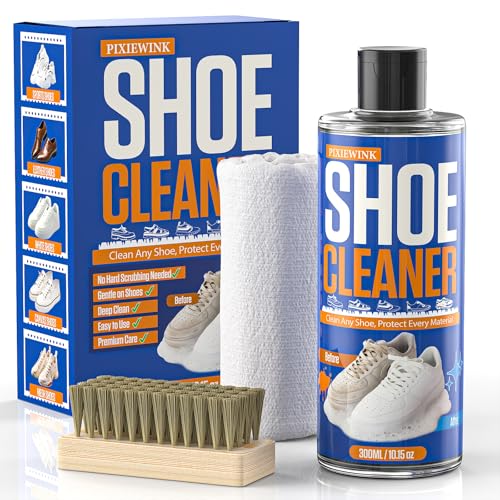
- Sneaker cleaning kit for white shoes with brush and cleaning solution
- White sneaker stain remover spray
- Microfiber sneaker cleaning brush set with cleaning cloths
- Warm water
- Soft towel or microfiber cloth
- Optional: old toothbrush for tight corners


Before You Start
Prepare a clean workspace and remove laces to treat the entire surface. If your shoes have leather, suede, or delicate panels, check the care label or manufacturer guidance to avoid damage. Protect surrounding floors from splashes, and work in a well‑lit area. Time estimate: 20–60 minutes per pair, depending on the severity of staining. Caution: some cleaners can cause color transfer, so test first on a hidden area. Do not use high heat to dry shoes; air dry at room temperature.
Step-By-Step: How To Get Rid Of Yellow Stains On White Shoes
- Remove laces and loosely brush off loose dirt with a dry brush.
- Inspect the upper material to identify any fragile sections that may require gentler cleaning.
- Apply a white sneaker stain remover spray to the stained areas following the product directions.
- Gently scrub with a sneaker cleaning kit for white shoes with brush and cleaning solution or a microfiber brush, focusing on yellowed patches.
- Dip a microfiber cloth in warm water and wipe away foam and residue. Repeat if necessary until no yellow tint remains.
- For stubborn stains, reapply the spray and let it sit for the recommended time before scrubbing again.
- Rinse the upper with a damp cloth to remove any leftover cleaner; avoid soaking the shoe unless the material allows it.
- Pat dry with a clean towel and allow to air dry in a shaded area. Do not place near direct heat or sunlight.
- Re-lace the shoes once completely dry; if desired, refresh the insoles separately with a gentle cleaner.
- Optional touch-up: use a soft brush to restore texture on the final dry surface and regain a uniform white look.
- Assess results; repeat steps 3–7 if some yellowing remains, or repeat with the cleaning kit for best coverage.
- Store in a cool, dry place and consider routine maintenance to prevent future yellowing.
Troubleshooting
| Symptom | Likely Cause | Fix | Prevention |
|---|---|---|---|
| Yellow stains reappear after cleaning | Residual stain or improper drying | Repeat treatment and ensure complete air drying | Dry thoroughly away from heat; avoid puddling water |
| Discoloration on sole or midsole | Contact with colored surfaces or harsh cleaners | Switch to a gentler cleaner and test first | Protect midsoles with masking tape during cleaning |
| Color transfer to whites | Dark fabrics or over-saturation | Use lighter sprays and shorter dwell time | Test first; use separate cloths for whites |
| Fabrics stiff after cleaning | Excess cleaner or over-washing | Rinse thoroughly and air dry completely | Use minimal product and precise application |
| Bleach-like fading on delicate materials | Highly reactive cleaners | Cease use and consult care guidelines | Choose material-safe formulas |
Common Mistakes
- Using hot water or heat sources to dry quickly, which can set stains or warp fabrics.
- Over-saturating fabrics with cleaner, leaving residues that attract more dirt.
- Skipping a patch test, risking color loss or material damage.
- Neglecting to remove laces and insoles, which can trap dirt and bleed color.
Tips For Best Results
- Perform maintenance cleaning after light wear to prevent heavy yellowing buildup.
- Use a dedicated white sneaker stain remover spray for targeted treatment on tough spots.
- For mesh or fabric sneakers, work in small sections to avoid over-wetting.
- Inspect elastics and eyelets for wear; clean those areas gently with a soft brush.
- Store sneakers in a cool, dry place and consider a light protective spray to repel stains after cleaning.
Call A Professional
Consider professional help if stains are deeply embedded, if the shoes are expensive or delicate, or if the care label prohibits water exposure. Stop cleaning and seek expert advice if you notice color bleeding, material distortion, or persistent odor that cleaning does not address.
FAQ
Can I use bleach on yellow stains?
Bleach can damage fabrics and leather; use only products labeled for the specific material and test on a hidden area first.
How often should I clean white sneakers?
Light, routine cleaning after regular wear helps prevent heavy staining and yellowing over time.
Will washing machine cleaning work for white sneakers?
Washing machines can damage some materials; follow manufacturer guidance and use a gentle cycle with a protective bag if allowed.
What’s the best way to dry sneakers after cleaning?
Air dry at room temperature away from heat sources to avoid warping or yellowing from heat exposure.
Buying Guide
When choosing tools to tackle yellow stains on white shoes, consider size, noise level, energy efficiency, controls, and placement. For example, a compact sneaker cleaning kit with integrated brush handles is convenient for travel and quick spot cleaning. Look for a white sneaker stain remover spray with a gentle, fragrance-free formula if sensitive skin is a concern. A microfiber sneaker cleaning brush set with cloths helps evenly distribute product without abrasions. Evaluate how much material you typically clean at once—canvas and mesh may benefit from lighter, spray-based products, while leather or suede requires specialized cleaners. Consider placing the kit in a well-ventilated area and ensure you can store it in a dry cabinet to maintain product effectiveness. For households with multiple shoes, a larger kit with interchangeable brushes and cloths can reduce clutter and improve results over time. Finally, check for clear on‑box instructions and compatibility with common household cleaning agents to simplify maintenance and extend the life of your white sneakers. If you have a favorite material or brand care guideline, prioritize products that align with those recommendations to keep your sneakers looking bright and fresh.
Leave a Reply