How to Get Rid of Chicken Grease on Surfaces
Chicken grease can cling to kitchen surfaces, appliances, and linoleum, leaving stubborn stains and lingering odors. This guide provides practical, step-by-step methods using common household tools and safe cleaners to remove grease effectively while protecting surfaces in an American kitchen.
Quick Answer
For most grease, start with a kitchen degreaser spray on cool surfaces, scrub with a non-scratch brush, then wipe with a microfiber cloth. For tougher areas, apply a second pass and rinse with warm water. Always spot-test a small area first and work from the outside edges toward the center.
What You’ll Need
- kitchen degreaser spray 24 oz for difficult oven and stovetop grease
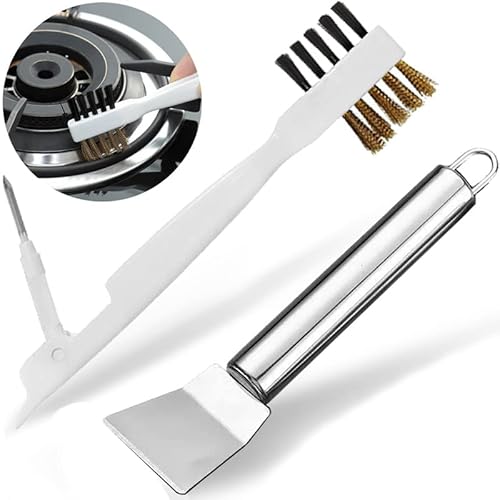
- heavy duty stainless steel scrub brush set for grease removal non-scratch
- grease absorbing microfiber cloths and towels 12 pack kitchen cleaning


Before You Start
Clear the area and open a window for ventilation. Remove loose debris with a dry cloth or paper towels. Test cleaners on inconspicuous spots to avoid discoloration. Allow hot surfaces to cool before cleaning to prevent steam burns. Keep cleaners away from children and pets, and wear gloves if you have sensitive skin.
Step-By-Step: How To Remove Chicken Grease From Surfaces
- Identify the greasiest spots, such as the range hood, stovetop, oven exterior, and backsplash.
- Apply a light spray of kitchen degreaser spray 24 oz for difficult oven and stovetop grease to the affected area.
- Let it dwell for 30–60 seconds to loosen grease bonds without damaging adjacent surfaces.
- Use the heavy duty stainless steel scrub brush set for grease removal non-scratch on tough patches, employing a gentle circular motion.
- Wipe away dissolved grease with a grease absorbing microfiber cloth, turning the cloth to expose a clean surface as you go.
- Reapply cleaner if residue remains, focusing on edges and grout lines or seams between panels.
- Rinse the area with a damp microfiber cloth to remove any cleaner residue.
- Dry the surface with a clean microfiber towel to prevent water spots and further grime cling.
- Repeat on adjacent surfaces if needed, working from higher to lower areas to prevent dirty runoff.
- Treat any stubborn doors, knobs, or handles with a quick wipe and a light polish to restore shine.
- For oven interiors or heavy-duty grease in the oven, follow the manufacturer’s cleaning instructions after a brief pre-clean.
- Dispose of used wipes and rags safely and wash reusable cloths after each cleaning session.
Troubleshooting
| Symptom | Likely Cause | Fix | Prevention |
|---|---|---|---|
| Streaks on glossy surfaces | Residue from cleaner or dried grease | Buff with a clean microfiber cloth after a light rinse | Use minimal cleaner and wipe in a consistent direction |
| Grease reappears after cleaning | Greasy residues deep in crevices | Repeat cleaning cycle focusing on seams and edges | Clean regularly to prevent buildup |
| Scratching on delicate finishes | Using a scrub brush on soft surfaces | Switch to non-scratch pads or cloths | Test a small area first |
| Odor persists | Grease trapped in porous materials | Ventilate and wipe with a mild deodorizing solution | Clean promptly after cooking to minimize odor |
Common Mistakes
- Using abrasive scrub brushes on non-scratch surfaces
- Over-wetting wood or porous countertops
- Rubbing in circles too aggressively, causing dull spots
- Ignoring hidden grease behind appliance doors or under stove burners
Avoid these missteps by choosing appropriate tools, working gently, and addressing grease buildup promptly.
Tips For Best Results
- Pre-treat extra-greasy spots with a dedicated degreaser before scrubbing.
- Work in a well-ventilated area to minimize chemical fumes.
- Use microfiber cloths for their absorbency and lint-free finish.
- Follow up with a light polish on stainless steel to reduce fingerprint marks.
- Schedule regular quick cleanings after cooking to prevent heavy buildup.
Call A Professional
Consider professional help if surfaces show pitting, staining, or discoloration after repeated cleaning, or if grease has penetrated porous materials like sealed wood or grout over a long period. Stop cleaning if cleaners cause adverse reactions, such as chemical smells, skin irritation, or surface deterioration.
FAQ
Can I use dish soap to remove chicken grease?
Dish soap can help for light grease, but degreasing sprays are more effective on heavy buildup and baked-on grease.
Is it safe to use vinegar on kitchen grease?
Vinegar works on many surfaces but may dull or discolor certain metals. Test first and avoid mixed cleaners that produce harmful fumes.
How often should I clean greasy surfaces?
Wipe down after cooking sessions and perform a thorough clean weekly or biweekly, depending on usage and splatter level.
Are microfiber cloths reusable?
Yes. Wash them separately from lint-prone fabrics and air dry to maintain absorbency.
Will heavy-duty brushes scratch stainless steel?
Use non-scratch brushes or pads designed for stainless steel to prevent micro-scratches.
Can I use the degreaser on painted walls?
Test a small area first; some finishes may discolor or dull if exposed for too long.
What about oven interiors with baked grease?
Follow the oven manufacturer’s cleaning guidelines and use appropriate grease-removing products designed for ovens.
Buying Guide
Choosing the right cleaning gear for chicken grease involves considering surface type, odor control, and ease of use. Start with a dependable degreaser that cuts through baked-on grime and pairs well with non-scratch brushes for safety. Look for microfiber cloths that are absorbent and machine-washable for cost-effective reuse. A compact, heat-resistant tool kit can help tackle stove and oven grease without damaging finishes.
Key buying factors include:
- Size and capacity: A 24 oz spray keeps you stocked for multiple cleanings without frequent replacements.
- Noise and ease of use: Ergonomic triggers and comfortable grips reduce fatigue during larger cleaning jobs.
- Energy efficiency: Efficient cleaning products minimize scrubbing time and chemical usage.
- Controls and formulation: Look for low-odor, non-toxic formulas that are safe for kitchens and near food prep areas.
- Placement: Store degreasers, brushes, and cloths in a readily accessible cabinet near the cleaning zone.
For best results, use a coordinated kit that includes a degreaser, non-scratch brush, and microfiber towels to keep kitchen grease under control. Consider compatibility with your surfaces (stainless steel, glass, enamel) and your cleaning cadence when selecting a kit. If heavy buildup recurs, reevaluate ventilation and cooking splatter management to minimize future grease spread.
Leave a Reply